Triathlon Nutrition for Vegans and Vegetarians: A Complete Guide
Can You Race a Triathlon on a Plant-Based Diet?
Yes — plenty of age-group and professional triathletes train and race entirely plant-based. The nutrition principles are the same as for any triathlete (enough total energy, enough carbohydrate around key sessions, enough protein for recovery), but a few nutrients need deliberate attention because they’re harder to get, or less bioavailable, from plant sources alone.
Protein: Hitting Your Targets
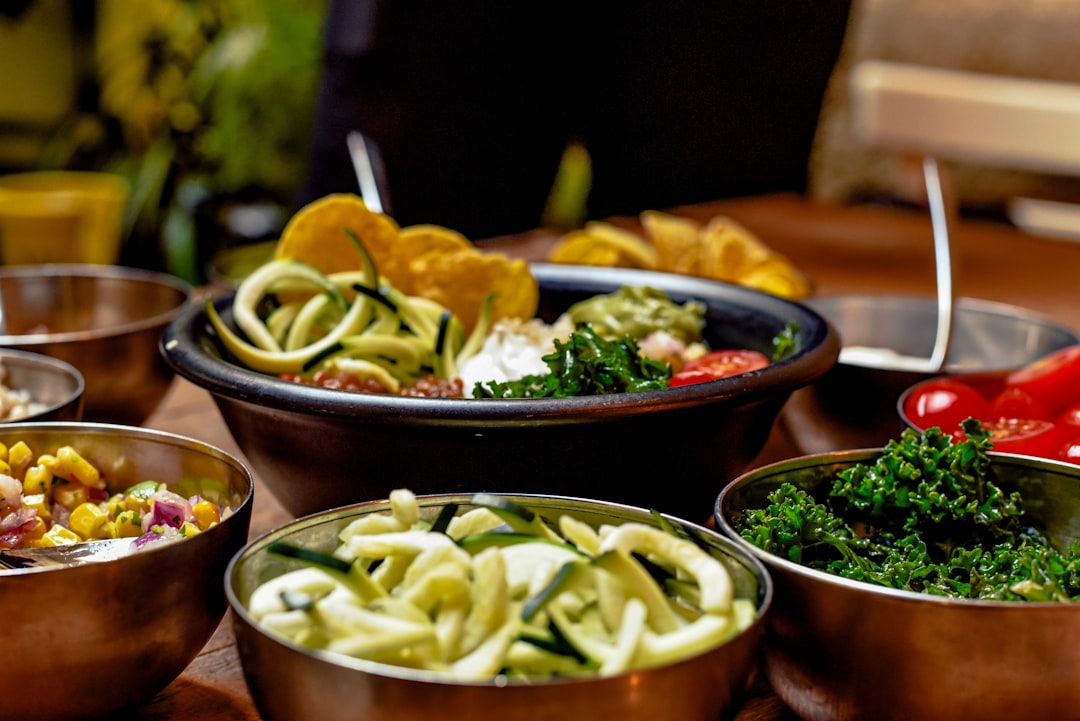
Endurance training increases protein needs above sedentary guidelines, and plant proteins are generally less “complete” (lower in one or more essential amino acids) than animal sources — the practical fix is variety, not supplementation. Combine legumes (lentils, chickpeas, beans) with grains (rice, oats, wholewheat) across the day rather than in a single meal, and lean on soy products (tofu, tempeh, edamame) and quinoa, which are naturally complete proteins. A vegan protein powder blend (pea plus rice protein is a common combination) is a practical way to hit post-session recovery targets without needing a huge meal straight after training.
Nutrients That Need Deliberate Attention
- Vitamin B12 — not reliably present in plant foods; vegans need a supplement or fortified foods (plant milks, nutritional yeast, some cereals) to avoid deficiency, which can cause fatigue that’s easy to mistake for overtraining.
- Iron — plant (non-haem) iron is absorbed less efficiently than iron from meat. Pair iron-rich plant foods (lentils, spinach, tofu, fortified cereals) with a source of vitamin C in the same meal to improve absorption, and avoid drinking tea or coffee immediately around iron-rich meals since tannins inhibit uptake.
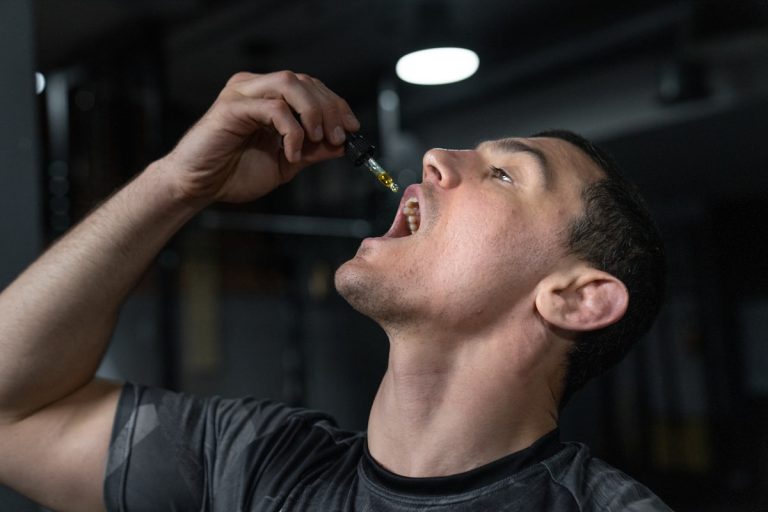
- Omega-3 (EPA/DHA) — plant omega-3 sources (flaxseed, chia, walnuts) provide ALA, which the body converts to EPA/DHA inefficiently. An algae-oil supplement is the most direct plant-based route to EPA/DHA if you want levels closer to what oily fish provides.
- Calcium and vitamin D — particularly relevant if dairy was previously a major source; fortified plant milks, tofu set with calcium sulphate, and leafy greens help, alongside a vitamin D supplement over the darker months.
- Creatine — naturally found almost exclusively in animal products, so vegan athletes typically start with lower muscle creatine stores. A creatine monohydrate supplement (itself vegan, as it’s synthetically produced) is a straightforward way to close that gap if you want the training-adaptation benefits.
Fuelling Long Sessions and Race Day
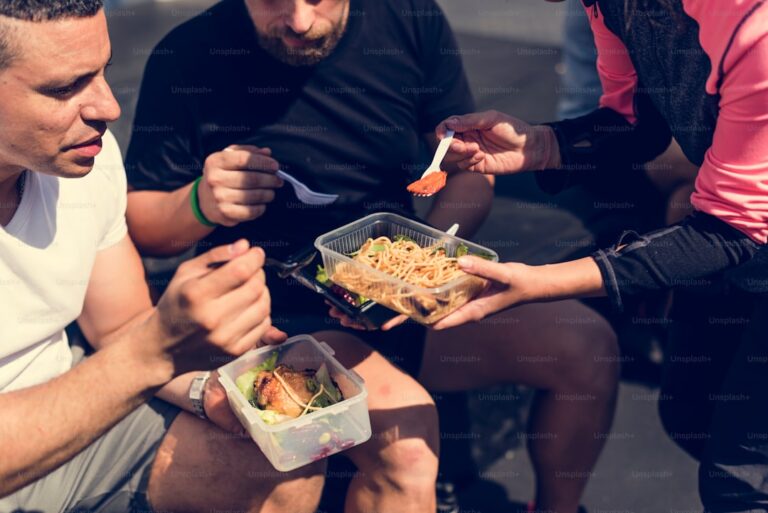
Most mainstream energy gels, chews and sports drinks are already vegan (check for honey as the main exception), so race-day fuelling rarely needs major changes. For homemade fuelling — rice cakes, energy balls, oat-based bars — swap honey for maple syrup or dates, and use plant milk or water instead of dairy in any recipe. Pre-race meals built around rice, pasta or potatoes with a light plant-protein source work well and digest predictably, which matters more on race morning than hitting a specific macro target.
Practical Tips
- Get a blood test (ferritin, B12, vitamin D) every 6-12 months, especially during heavy training blocks — deficiencies are easier to catch and fix early than to diagnose after months of unexplained fatigue.
- Don’t assume “vegan” automatically means “high enough calorie” — plant-based whole foods are often less energy-dense, and under-fuelling is a common trap during high-volume training.
- Batch-cook protein-rich plant meals (lentil dahl, chickpea curry, tofu stir-fry) so recovery nutrition doesn’t depend on cooking from scratch after every session.