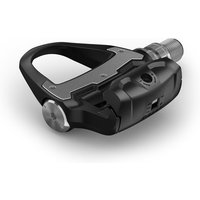
Garmin Rally RS100 Power Meter Pedals Review 2026: Entry-Level Power on a Budget
What It Is
Training and racing to power is one of the most reliable ways to pace a triathlon bike leg, but dual-sided power meters carry a serious price premium. The Rally RS100 is Garmin’s single-sided entry point into the Rally range — same SPD-SL pedal body and app ecosystem as the dual-sided RS200, but measuring power from one leg only and estimating total output, which keeps the cost down considerably.

Key Features
- SPD-SL compatible pedal body — swaps directly onto most road/tri bikes using the same cleats as Shimano’s road pedal system, no new cleats needed if you’re already on SPD-SL.
- Single-leg power measurement — captures left-leg (or right-leg, depending on the model you buy) power and doubles it to estimate total wattage, which is accurate enough for pacing and structured training for most riders.
- Upgradeable pedal body — the RS100 can later be upgraded to dual-sided RS200 by swapping the non-power pedal body, so it’s not necessarily a dead end if you want dual-sided data down the line.
- Full Garmin Connect integration — pairs directly with Garmin Edge computers and Forerunner/Fenix watches for cadence, power and cycling dynamics without a separate ANT+ sensor.
Who It’s For
A sensible first power meter for triathletes who want structured FTP-based training and race-day pacing without paying for dual-sided data they may not need yet. If you have a significant left/right power imbalance from injury history or asymmetric strength, the dual-sided RS200 will give you a more complete picture — but for most age-groupers, single-sided is a reasonable place to start.
Check price on Tredz — currently £369.99 (RRP £429.99).
Buying Tips
- Confirm your crank length and stack height compatibility before ordering — pedal-based power meters can slightly change your effective saddle-to-pedal distance versus your current pedals.
- Budget for a proper bike fit check after installing, since even small stack height changes affect knee tracking over long rides.
- If you’re deciding between RS100 and RS200, remember the upgrade path exists — you don’t have to get it perfect on day one.
Care and Maintenance
Keep the pedal battery covers clean and dry to avoid corrosion at the contacts, and replace the coin-cell batteries as soon as Garmin Connect flags them as low rather than waiting for a mid-ride failure. Recalibrate the power meter periodically through Garmin Connect, especially after temperature swings between indoor and outdoor riding.
This article contains affiliate links. If you purchase through these links, we may earn a small commission at no extra cost to you. This helps support The Triathlete.