

Open Water Swim: Cramp Prevention and Recovery Session
Session Overview
Calf and foot cramps mid-swim are usually a mix of overkicking, cold water, and going out too hard — this session builds kick efficiency and pacing awareness so you’re less likely to seize up when it matters. It’s aimed at athletes who’ve experienced cramping in open water before, or who want to race-proof themselves against it.
What You’ll Need
- Wetsuit (recommended, for buoyancy support that reduces kick reliance)
- Swim safety buoy if swimming solo
- Electrolyte drink for before/after (optional, but useful if cramping has a sodium-depletion component)
Warm-Up (8 minutes)
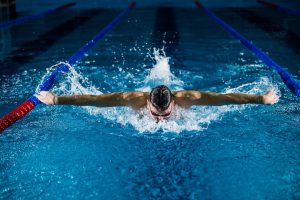
Start with 400m easy swimming, focusing on a relaxed, low-amplitude kick — just enough to maintain body position, not to generate speed. Follow with 4 x 20-second ankle circles and calf stretches while treading water or standing in shallow water, to get blood moving into the lower legs before the main set.
Main Set
The focus here is training a minimal, efficient kick and building comfort at race effort without your legs tightening up.
- 6 x 200m at moderate effort, using a 2-beat kick (kick only on the arm-recovery side) rather than a constant flutter kick — rest 30 seconds between reps
- 4 x 100m at race pace effort, consciously relaxing your calves and pointing your toes softly rather than flexing hard — rest 20 seconds between reps
- 1 x 400m continuous at goal race pace, checking in every 100m on lower-leg tension and easing the kick if you feel any tightness building
Cool-Down (5 minutes)
200m very easy swimming with minimal kick, followed by gentle calf and foot stretches out of the water. If you felt any cramping twinges during the session, gently massage the area rather than stretching aggressively.
Coaching Notes
- Most open water cramping comes from overkicking to compensate for poor body position — a wetsuit’s buoyancy should let you kick less, not more; use it.
- Cold water tightens muscles faster than pool temperatures, so budget extra warm-up time before any open water swim, especially early in the season.
- If cramping is a recurring race-day problem, check your hydration and sodium intake in the 24 hours before, not just on the morning of the race.
- Scale down: if cramping starts during the main set, drop to easy swimming immediately rather than pushing through — cramping tends to escalate, not resolve, under continued load.
You Might Also Like

Training at your own risk. The information provided is for general guidance only and is not a substitute for professional medical advice. Please consult a doctor before starting any new exercise programme, especially if you have any pre-existing health conditions.