How to Avoid the Bonk: Managing Energy on Long Course Triathlon
Hitting the wall — or “bonking” — is one of the most feared experiences in long-course triathlon. It happens when glycogen stores become critically depleted, leaving you with no fuel for your muscles or brain. What follows is dramatic: power drops, pace collapses, and sometimes a total inability to continue. The good news is that bonking is almost entirely preventable with the right fuelling strategy.
Why the Bonk Happens in Triathlon
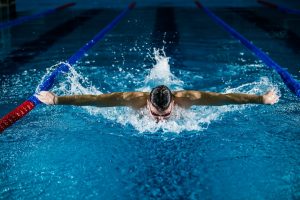
Unlike a standalone marathon or cycling event, triathlon depletes glycogen across three consecutive disciplines. By the time you start the run in an IRONMAN or 70.3, you have already spent hours drawing on your carbohydrate stores. A swim might consume 400–600 calories; a 180km IRONMAN bike leg can burn 3,000–4,000 calories. Without consistent fuelling, the body’s roughly 90-minute glycogen supply runs dry well before the finish line.
The Golden Rule: Start Fuelling Early
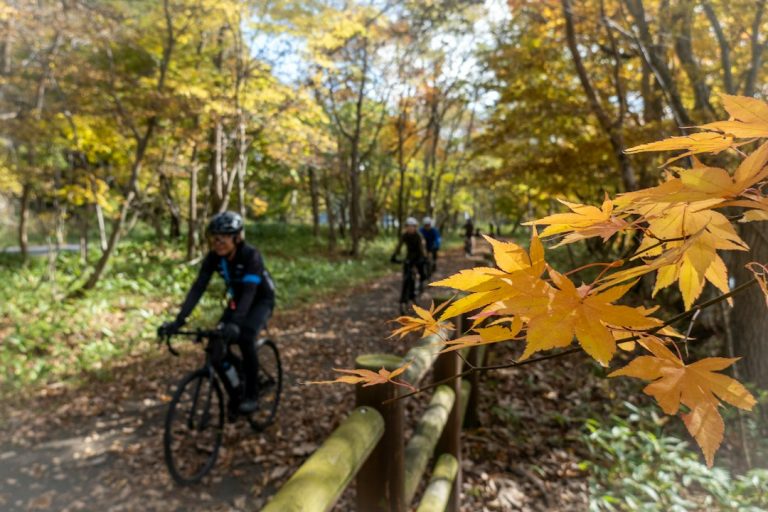
The most common fuelling mistake is waiting until you feel hungry. By then, glycogen is already running low and your gut is under stress from racing effort — making it harder to absorb nutrition. The rule for long-course racing is to start taking on carbohydrates within the first 30 minutes of the bike leg and continue at regular intervals throughout. Aim for 60–90g of carbohydrate per hour on the bike, and 30–60g per hour on the run (lower because gut absorption slows under running intensity).
Race-Proven Strategies
- Use multiple carbohydrate sources — Combining glucose and fructose (as found in many gels and sports drinks) allows the gut to absorb up to 90g/hr, compared to 60g/hr from glucose alone.
- Practice in training — Your gut needs training just like your legs. Replicate race nutrition in your long rides and brick sessions so your body learns to process fuel at race effort.
- Pace conservatively on the bike — Going too hard on the bike forces the body to rely more heavily on carbohydrates and less on fat. A sustainable bike effort preserves glycogen for the run when it matters most.
- Never try anything new on race day — Test every gel, bar, and drink in training. Flavour, texture, and sugar concentration that works in training may cause GI distress under race stress.
- Electrolytes matter too — Sodium is critical for absorbing water and carbohydrates. Use a sports drink or salt tablets alongside water, especially in warm conditions.
What to Do If You Feel the Bonk Coming
If you notice a sudden drop in power, inability to maintain pace, or a hollow, light-headed feeling, act immediately. Take fast-acting carbohydrates — a gel, cola at an aid station, or sports drink — and slow your pace to allow absorption. The recovery takes 10–15 minutes. Do not continue pushing at the same intensity in the hope of riding it out; the deficit compounds quickly and the situation deteriorates fast. After the race, analyse your nutrition log and identify the gap that caused the problem.
Carbohydrate Loading Before Race Day
Maximising glycogen stores before the race starts is as important as in-race fuelling. In the two to three days before a long-course event, increase dietary carbohydrate to 8–10g per kilogram of body weight per day. Reduce training volume during this period (taper week) so the body stores rather than burns these carbohydrates. On race morning, eat a high-carbohydrate breakfast 2–3 hours before the start — porridge, rice, or a bagel with peanut butter are all excellent options.