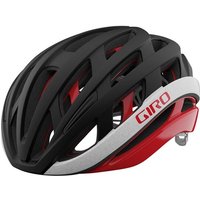
Giro Helios Spherical Helmet Review 2026: Lightweight Ventilation on a Budget
What It Is
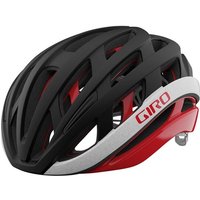
Not every triathlete needs an aero helmet for every session — most of your bike hours are training, not racing, and that’s where a light, well-ventilated helmet like the Giro Helios Spherical earns its keep. It’s built around Giro’s MIPS Spherical technology (two independent layers that can move relative to each other in an impact) without the price tag of Giro’s flagship Eclipse or Aries models.
Key Features
- MIPS Spherical protection — the two-layer system is built into the helmet’s construction rather than bolted on as a liner, so it doesn’t add the bulk or weight penalty of older MIPS designs.
- Generous vent count — a training-focused vent layout that prioritises airflow over aero marginal gains, which is exactly the trade-off you want for long, hot summer rides.
- Roc Loc Air fit system — Giro’s adjustable cradle sits slightly off the head for extra airflow and holds position well without pressure points.
- Real-world weight — noticeably lighter on the head than Giro’s aero-focused models, which matters on long training rides where every gram adds up over hours.
Who It’s For
This is a training-first helmet: pick it as your everyday lid for turbo-free outdoor rides, brick sessions and hot-weather base miles, then switch to an aero or TT helmet on race day. At this price point it’s also a sensible first “proper” road helmet for anyone stepping up from an entry-level lid without yet wanting to spend on an aero shell.
Check price on Tredz — currently £114.99 (RRP £239.99).
Buying Tips
- Measure your head circumference with a tape measure rather than relying on your usual helmet size — Giro’s sizing runs slightly differently to Kask and Specialized.
- If you do a lot of early-morning or evening training, check whether your local Giro stockist carries a version with reflective detailing for visibility.
- Replace any helmet after a crash regardless of visible damage — the EPS liner can be compromised internally even when the shell looks fine.
Care and Maintenance
The pads pop out for hand-washing — do this every few weeks in summer to stop sweat salt from breaking down the foam. Avoid leaving the helmet in a hot car, since prolonged heat can soften the EPS liner and reduce its protective properties over time.
This article contains affiliate links. If you purchase through these links, we may earn a small commission at no extra cost to you. This helps support The Triathlete.