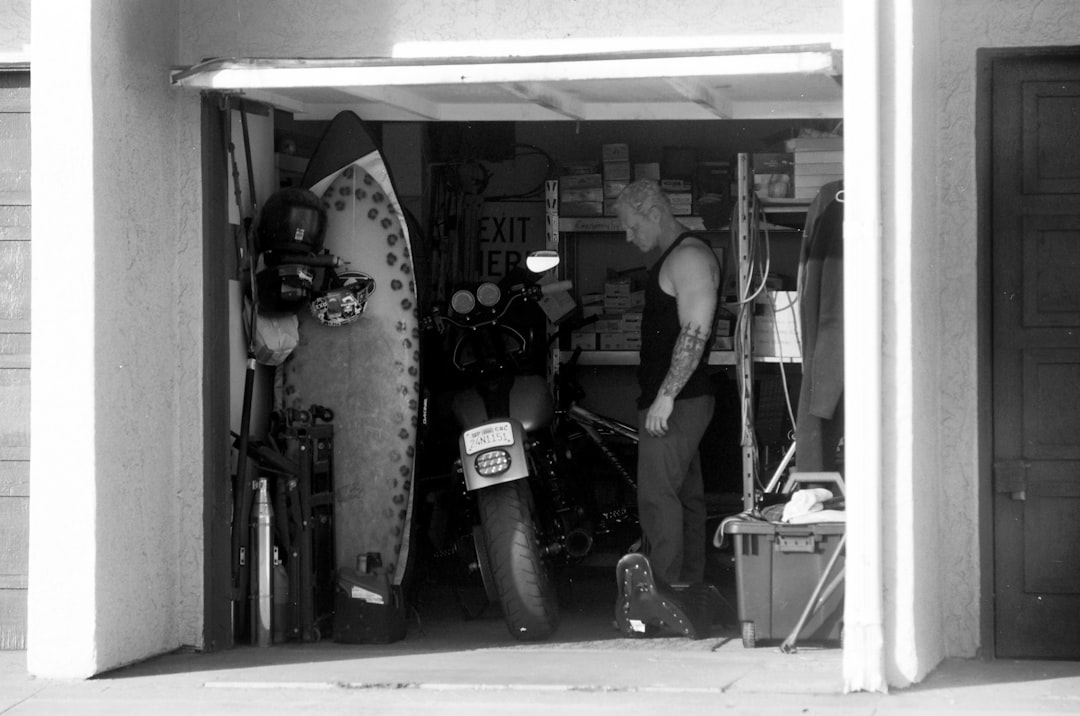
How to Store Your Wetsuit and Bike for Winter
However you feel about the end of race season, your wetsuit and bike will feel worse about it if you just shove them in the garage until spring. Neoprene cracks, drivetrains seize, and electronic groupset batteries drain to nothing over a few unattended months — none of which is expensive to prevent, but all of it is expensive to fix. Here’s how to actually do it properly.
Storing your wetsuit
- Rinse it properly first — fresh water, inside and out, before it goes anywhere near storage. Salt and chlorine residue left in the neoprene over months is what actually causes the cracking people blame on “old age.”
- Dry it inside-out, away from direct heat or sunlight — UV and radiator heat both degrade neoprene faster than normal wear does. A shaded spot with airflow is all it needs.
- Use a wide, padded hanger — never a wire one — fold over the hanger at the waist rather than hanging by the shoulders, which stretches the neoprene at exactly the point you need it to stay supple.
- Store somewhere cool, dark and dry — a wardrobe or a covered rail beats a garage shelf, where temperature swings and damp do more damage over a winter than actual use would.
- Don’t stack anything on top of it — compressed neoprene creases can become permanent if left folded under weight for months rather than weeks.
Storing your bike
- Deep clean the drivetrain — degrease the chain, cassette and jockey wheels properly before storage rather than leaving race-season road grime to sit and corrode over winter.
- Dry and re-lube the chain — a dry chain left unlubricated for months is the single most common cause of a seized link come spring.
- Deal with tyre pressure — either drop pressure to roughly half your normal PSI to reduce sidewall stress, or take the wheels off entirely if you’re storing the bike hung by the frame for an extended period.
- Charge electronic groupset batteries periodically — Di2 and AXS batteries drain over months of inactivity; a top-up every 6-8 weeks stops you finding a dead battery and an unresponsive derailleur on your first spring ride.
- Cover it if it’s not staying inside — a breathable bike cover in a garage or shed cuts down on the dust and condensation that cause corrosion on bolts and cabling.
- Check for rust points before you put it away — bottle cage bolts, seatpost clamp and derailleur hanger are the usual spots; a light coating of protective spray now saves a seized bolt in spring.
Bringing it all back out
Give yourself a couple of weeks before your first planned session back to check everything over — re-lube the chain, check tyre condition and pressure, and give the wetsuit a quick stretch test before race day rather than discovering a seam issue mid-swim. It’s a lot easier to sort a stiff zip or a flat spot in the garage than it is on the morning of your first spring brick session.