
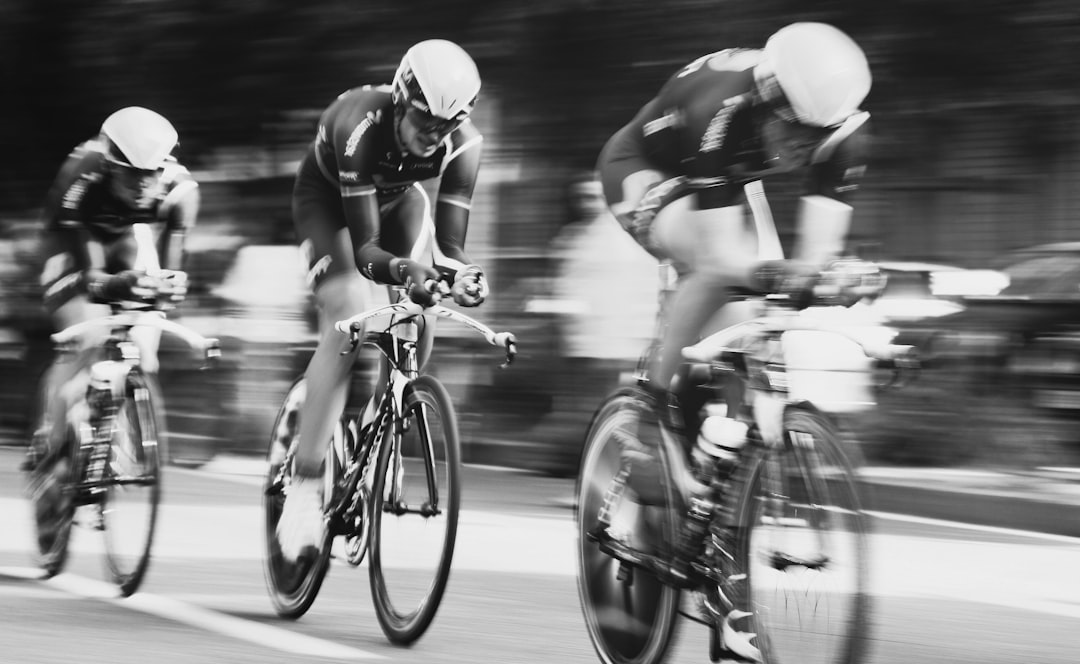
Double Brick Session: Swim-Bike-Run-Bike-Run Ironman Simulation
Session Overview
A swim-bike-run-bike-run “double brick” that rehearses the specific fatigue pattern of racing on tired legs twice over, building the neuromuscular adaptation to run off the bike more effectively than a standard single brick session.
What You’ll Need
- Access to a pool or safe open water for the swim segment (or substitute a 15-minute steady turbo spin if swimming isn’t practical that day)
- Bike, helmet and running shoes staged together for fast transitions
- Race-day nutrition to practise fuelling between legs
Warm-Up (10 minutes)
10 minutes easy swimming or spinning to raise heart rate gradually before the structured work begins.
Main Set
Complete the full sequence back to back with minimal transition time, simulating race-day changeovers:
- Swim 20-30 minutes at steady aerobic effort
- Bike 60 minutes at race-pace effort (roughly 70.3 or Ironman intensity, not all-out)
- Run 15 minutes off the bike at an easy, controlled pace — focus on finding rhythm rather than speed
- Bike 30 minutes at race-pace effort
- Run 20 minutes off the bike, allowing pace to settle naturally as your legs adapt
Cool-Down (10 minutes)
10 minutes easy walking or gentle spinning, followed by rehydration and a recovery snack — this session creates real fatigue, so treat recovery seriously.
Coaching Notes
- The first few minutes of each run segment will feel heavy and awkward — that “jelly legs” sensation is exactly what this session is training your body to adapt to.
- Common mistake: riding both bike segments too hard. This session is about accumulating race-realistic fatigue, not testing your bike FTP.
- Practise your transitions with real urgency, not casually — the changeover speed itself is a skill worth training.
- Scaling: newer athletes can drop to a single bike-run brick at the same intensities and build up to the full double brick over several weeks as fitness allows.
You Might Also Like





Training at your own risk. The information provided is for general guidance only and is not a substitute for professional medical advice. Please consult a doctor before starting any new exercise programme, especially if you have any pre-existing health conditions.