Triathlon Bike Maintenance Checklist Before Race Day
A mechanical failure on race day is one of the most preventable disasters in triathlon. A systematic pre-race bike check takes 30–45 minutes and eliminates the most common causes of mid-race mechanicals. Do this check at least 48 hours before race day — not the night before — so you have time to address any issues you find.
Tyres and Tubes
- Inflate to the correct pressure for your weight and tyre type (typically 90–110 psi for 25mm road tyres). Check the maximum pressure printed on the tyre sidewall.
- Inspect tyre surfaces for cuts, embedded glass, or cracking in the sidewalls. Run your finger gently around the tyre to feel for debris.
- Check for any bulges or flat spots — these indicate internal tube damage and the tyre should be replaced before racing.
- Fit a new tube if your current one has been patched or is more than a season old. Race day is not the time to trust a patched tube.
- Pack your race bag with a spare tube, CO₂ inflator, and tyre levers — even if you’ve checked everything thoroughly.
Brakes
- Squeeze both brake levers firmly. The lever should not touch the handlebar — if it does, adjust the brake cable tension.
- Check brake pads for wear and alignment. Pads should contact the rim squarely, not the tyre, and should have at least 2mm of compound remaining.
- For disc brakes: check rotor condition (no scoring), check pad wear through the inspection window, and ensure the caliper is centred over the rotor without rubbing.
Drivetrain
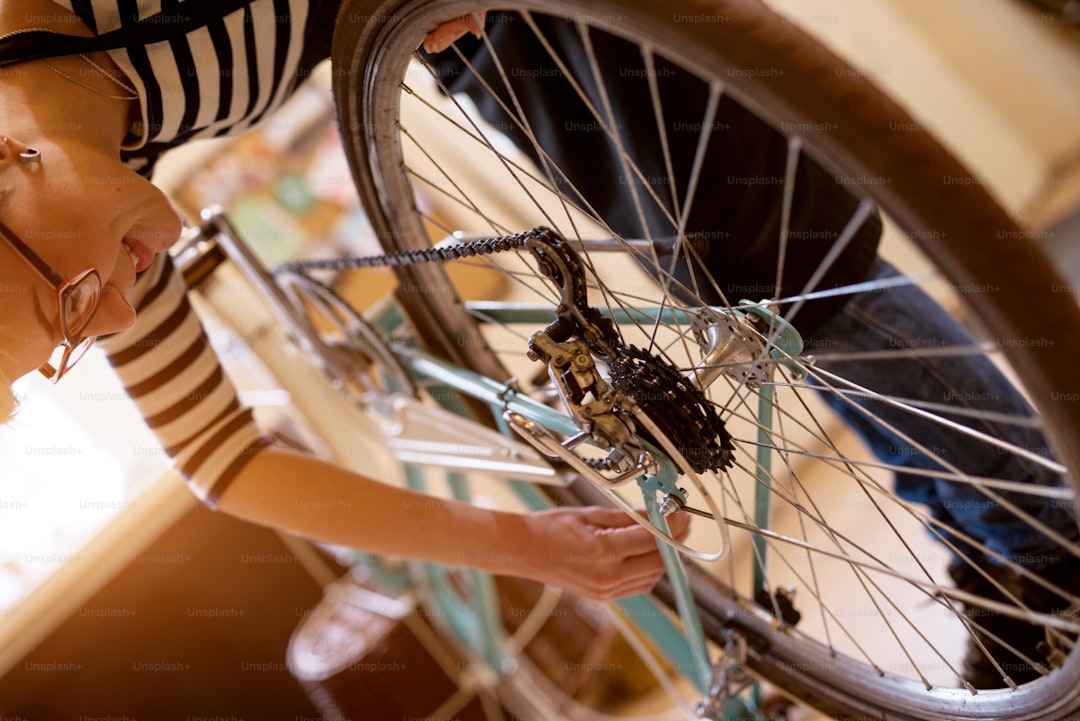
- Clean and lubricate the chain. A dry or dirty chain increases friction, wears components faster, and makes gear changes hesitant under load.
- Check cable tension: shift through every gear at the front and rear. Hesitant shifts, ghost shifting, or skipping under power indicate cables need adjustment.
- Inspect the chain for stretch with a chain wear indicator tool. A stretched chain damages cassette teeth rapidly and should be replaced before it causes a more expensive problem.
- Check chainring bolts are tight and the cassette lockring is secure.
Cockpit and Fit
- Check all bolts on the stem, handlebars, and aerobar extensions. Use a torque wrench if possible — carbon components require specific torque values to avoid cracking.
- Check saddle position and clamp bolt. Saddles that rotate mid-ride cause significant discomfort and power loss.
- Check pedal threads are tight and cleats are secure. Worn cleats can release unexpectedly — replace if they show significant wear.
Electronics and Race Gear
- Charge your GPS computer, heart rate monitor, and power meter the night before. Set up your race screen with the metrics you want to see.
- Check that power meter batteries are charged and the unit is paired to your head unit — test it with a short spin.
- If using a race number on the bike (required at most events), check where it needs to be mounted and have cable ties ready.
Post-Race Care
After racing, rinse the bike with clean water to remove salt and grime — particularly important after sea or brackish water events. Re-lubricate the chain once dry. Check for any damage from transport or race-day contact. Your post-race maintenance routine is also your pre-race check for the next event.