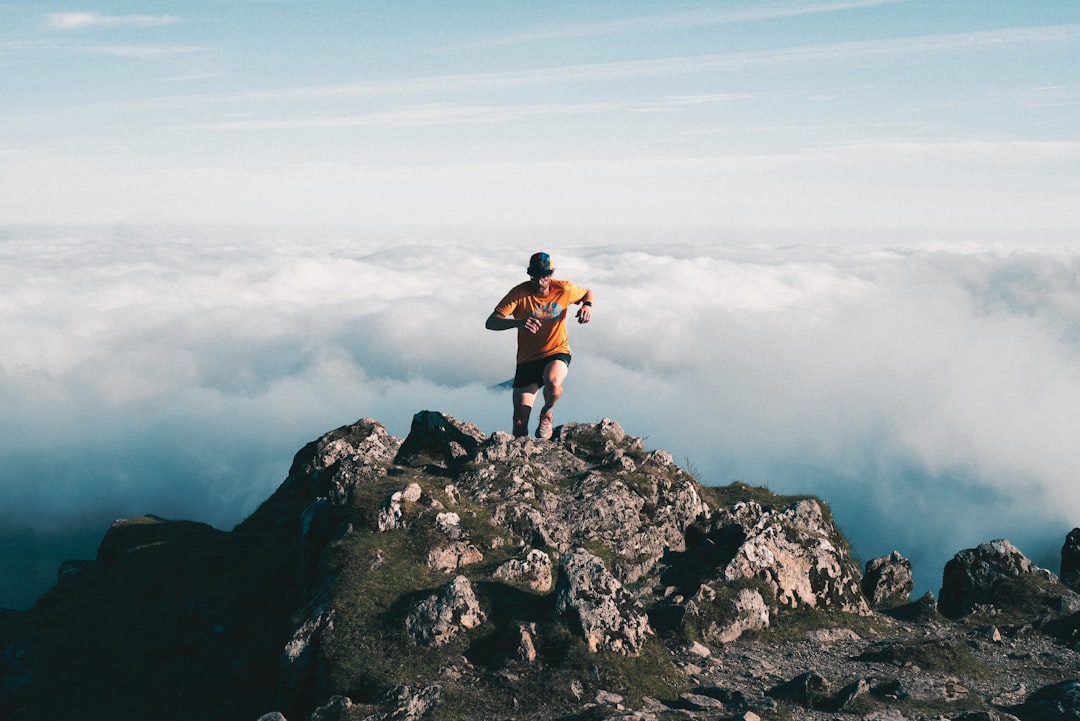
Altitude Training for Triathletes: A Practical Guide
Why Altitude Training Works
At altitude, the reduced availability of oxygen triggers a cascade of physiological adaptations: your body produces more erythropoietin (EPO), which stimulates red blood cell production, increases haemoglobin concentration, and improves oxygen delivery to working muscles. The result, when you return to sea level, is a measurable improvement in VO2max, lactate threshold, and endurance capacity — all the metrics that determine triathlon performance.
The benefits are well established in elite sport. Most professional triathletes complete two to three altitude camps per year. For age-groupers, even one well-structured camp can produce gains that persist for three to four weeks post-descent.
The Classic Approach: Live High, Train Low
The most evidence-backed altitude protocol for endurance athletes is Live High, Train Low (LHLT). You sleep and recover at altitude (typically 2,000–3,000m above sea level), but descend to lower elevation for quality training sessions where oxygen is more available. This maximises the haematological stimulus while preserving workout quality.
- Altitude range: 2,000–2,800m produces the best EPO response without excessive fatigue.
- Minimum exposure: You need at least three to four weeks at altitude for meaningful red blood cell adaptation. Short two-week camps produce some benefit but less than a full block.
- Training load: Reduce volume by 10–15% on arrival. Your body is working harder at altitude — pushing the same load you’d do at sea level leads to overtraining.
Best Altitude Training Locations for UK Triathletes
You don’t need to travel to Colorado or Kenya to access meaningful altitude. Several European destinations offer the right combination of elevation, swimming facilities, and triathlon-specific infrastructure.
- Font Romeu, France (1,800m): The classic choice for European triathletes. Excellent running trails, an outdoor track and a heated pool. Used by the French Olympic team.
- Sierra Nevada, Spain (2,320m): Home to the national triathlon centre. Perfect for cyclists — high-altitude roads with minimal traffic and a full-size pool.
- Livigno, Italy (1,816m): Popular with cyclists and triathletes for its long flat valley roads. Triathlon-specific camps available May–September.
- Altitude Centre, London (simulated): For those who can’t travel, London and other UK cities have altitude facilities where you sleep or train in hypoxic tents. Less effective than genuine altitude but usable.
What to Expect: The First Week
The first 48–72 hours at altitude are typically the hardest. Expect increased breathing rate, disturbed sleep, mild headaches, and significantly reduced pace at the same effort. Heart rate will run 5–15 BPM higher than at sea level for a given power output. This is normal — resist the urge to push through it.
By days four to seven, most athletes begin to adapt. Sleep quality improves, resting heart rate normalises, and pace at Zone 2 effort recovers. By the end of week two, many athletes report feeling better than they did at sea level on similar training loads.
Maximising Your Return to Sea Level
The window of peak performance post-altitude is typically days three to eight after descent, then again from weeks three to four. Many elite triathletes schedule their A-races to fall within one of these windows. For an age-grouper, try to race within two weeks of returning or wait until the four-week mark for a second peak.
- Rehydrate aggressively in the first 48 hours post-descent — altitude causes dehydration.
- Keep training volume easy for days one to three after returning to sea level.
- Introduce one quality session at day four to prime your race fitness.
- Avoid illness — the immune system is suppressed post-altitude, so extra sleep and nutrition hygiene matter.
Is Altitude Training Worth It for Age-Groupers?
For athletes with a specific A-race goal — qualifying for 70.3 Worlds, breaking a personal best at an Ironman, or targeting age-group podium — a well-planned altitude camp offers a legitimate performance edge. The time, cost and travel commitment mean it’s not for everyone, but for athletes who have maximised their sea-level training and are looking for the next stimulus, altitude is one of the most evidence-backed tools available.