

Tempo Run: 4 × 8 Minutes at Lactate Threshold
Session Overview
This 65-minute run session uses four 8-minute blocks at lactate threshold to build your ability to hold race pace for longer. Threshold training raises the speed at which your body switches from aerobic to anaerobic energy — the single most effective way to get faster at triathlon run splits.
What You’ll Need
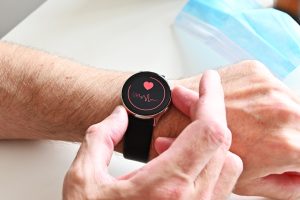
- GPS watch with heart rate monitor
- Flat or moderate route of at least 6km
- Trainers comfortable at sustained effort pace
Warm-Up (12 minutes)
12 minutes easy running (Zone 1–2, conversational pace). Include 4 x 20-second strides at 10km effort in the final 4 minutes, with 20 seconds walking between each. By the end of the warm-up, you should feel loose, light, and ready to work.
Main Set
4 × 8 minutes at lactate threshold (T-pace) — 2 minutes easy jog between each. T-pace is the pace you could race at for approximately 60 minutes, or roughly 85–88% of max HR.
- Rep 1: The benchmark rep. Find your T-pace and lock in. Note your split.
- Rep 2: Match rep 1 or go 5 seconds per km faster. Heart rate should be climbing into Zone 4 by minutes 5–6.
- Rep 3: The hardest mentally. You’re tired from reps 1–2. Hold the pace. Focus on form — lean slightly forward from the ankle, not the waist.
- Rep 4: If you have anything left, negative split this one. Push the final 2 minutes slightly harder than threshold.
Cool-Down (10 minutes)
10 minutes very easy running or walking. Follow with calf, hamstring, and quad stretches. Eat or drink within 20 minutes: protein + carbs for recovery.
Coaching Notes
- T-pace for most triathletes is 10–20 seconds per km slower than your current 5km PB pace. Not all-out — just firmly uncomfortable.
- The 2-minute recovery is short by design. You should not fully recover between reps — that’s the stimulus.
- Progression: add 1 rep every 2 weeks until you reach 5 × 10 minutes. Then reduce back to 4 × 8 and run each rep 5 seconds per km faster.
- RPE target: 7.5–8/10 throughout. If every rep feels easy, your T-pace is too conservative.
You Might Also Like




Training at your own risk. The information provided is for general guidance only and is not a substitute for professional medical advice. Please consult a doctor before starting any new exercise programme, especially if you have any pre-existing health conditions.