How to Use a Swim Snorkel in Triathlon Pool Training
What Is a Swim Snorkel and Why Use One?
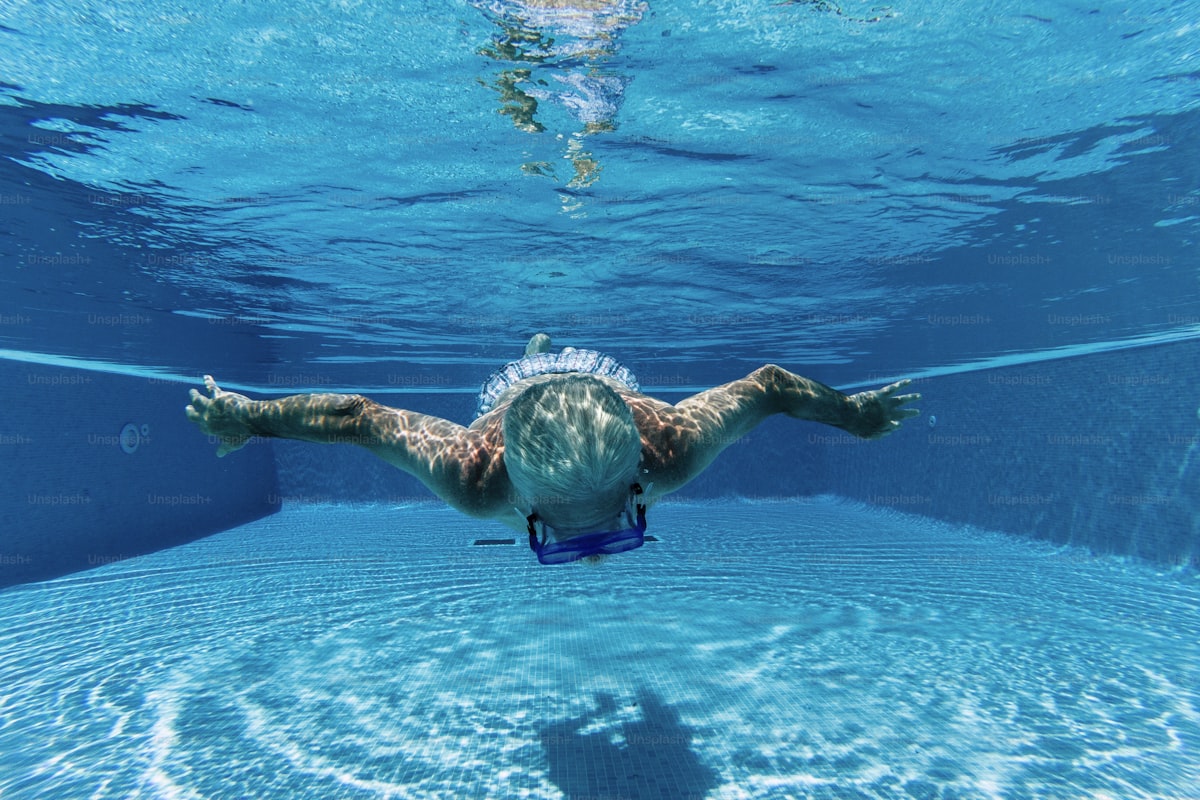
A swimmer’s centre-mount snorkel is not the snorkelling-holiday kind attached to a mask — it’s a training tool that sits in the centre of your forehead and allows you to breathe without turning your head. Used by elite swimmers and triathletes worldwide, it removes the breathing pattern from your stroke so you can focus entirely on body position, catch mechanics, and symmetry. It’s one of the most effective technique tools available at any level.
Who Should Use One?
A swim snorkel benefits every triathlete, regardless of swim ability — but it’s particularly valuable for:
- Beginners who find bilateral breathing difficult and are compensating with a lopsided stroke
- Intermediate swimmers who want to isolate and fix specific technique faults (crossed-over hands, dropped elbow, hip sinking)
- Advanced swimmers using it for specific drill sets, hypoxic training, or building aerobic base without any stroke distortion from breathing
Getting Started: Your First Session
If you’ve never used a centre-mount snorkel before, start in the shallow end and dedicate your first full session just to getting comfortable:
- Fit the snorkel so the mouthpiece is comfortable and the tube clears your forehead — most models have adjustable straps
- Push off the wall and focus on keeping your head still and face down — any head movement while breathing causes water to enter the tube
- Exhale slowly and steadily through the snorkel; inhale slowly on the recovery. Panicked or shallow breaths lead to CO2 build-up
- Start with 200m continuous swims and build to 400m before adding snorkel work into your main sets
Best Drills to Do With a Snorkel
Once you’re comfortable, a snorkel unlocks a range of highly effective technique drills:
- Fist drill: Swim with closed fists to develop feel for the forearm in the catch — much easier to execute when you don’t have to manage your breathing at the same time
- Fingertip drag: Drag your fingertips along the water surface on the recovery to feel your elbow position — the snorkel lets you keep your face down and really tune into the sensation
- Unco drill (catch-up with delay): Extended pause at the front of the stroke isolates the catch; the snorkel allows full focus on hand entry angle and shoulder rotation
- Kick-only sets: Combining a kickboard and snorkel lets you isolate the kick entirely without any upper body or breathing involvement
Snorkel Training for Triathletes: Key Principles
- Use the snorkel for 20–30% of your pool volume — not every session, as you still need to practise normal bilateral breathing for racing
- Snorkel work pairs well with pull buoy sessions — removing both the kick and the breathing pattern isolates your catch and pull to a remarkable degree
- If water enters the tube mid-swim, blow a sharp puff of air to clear it (the same technique used in open-water snorkelling)
- The Finis Swimmer’s Snorkel is the most widely used and recommended model — its low-profile design and purge valve make it ideal for triathlete pool training
Common Mistakes to Avoid
- Don’t use a snorkel in open water or in races — it’s a pool training tool only
- Don’t rely on it so heavily that your breathing technique regresses — maintain regular bilateral breathing in at least half your pool sessions
- Don’t crank the head strap too tight — it should be snug but not painful; a loose fit causes excessive water entry