Triathlon Nutrition Strategy: Pre-Race, Race Day and Recovery
Triathlon nutrition is about much more than what you eat the night before a race. A solid fuelling strategy covers the days leading into an event, what you consume during training and racing, and how you recover after crossing the finish line. Get it right and you’ll feel strong from swim to run; get it wrong and you’ll bonk on the bike or cramp on the run.
Pre-Race Nutrition: The Days Before
For sprint and Olympic distance races, a simple carb-focus in the 24–48 hours before the event is sufficient. You don’t need a classic pasta bake the size of a satellite dish — just increase the proportion of carbohydrates in your normal meals. Aim for 6–8g of carbohydrate per kg of bodyweight per day in the 48 hours before racing.
For 70.3 and Ironman distances, extend your carb load to 3 days out and target 8–10g per kg per day. Choose easy-to-digest foods: rice, pasta, white bread, bananas, and sports drinks. Avoid anything high in fibre or fat in the 24 hours before the race — your gut needs to be calm and empty, not churning.
Race Morning Breakfast
Eat your pre-race breakfast 2–3 hours before your swim start. Keep it familiar — never try a new food on race morning. A solid choice is 2 slices of white toast with peanut butter and banana, or a bowl of porridge with honey. Target 1–2g of carbohydrate per kg of bodyweight. Drink 500ml of water with your meal and sip up to 500ml more in the 90 minutes before the start.
Fuelling During Racing
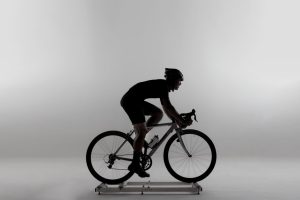
For sprint triathlon (under 90 minutes), you can complete the event on water and electrolytes alone — most athletes won’t need solid calories if well-fuelled beforehand. For Olympic distance (1.5–2.5 hours), take on 30–40g of carbohydrate per hour on the bike, primarily via gels or sports drink.
For 70.3 and Ironman, the numbers get serious. Target 60–90g of carbohydrate per hour on the bike, using multiple carb sources (glucose + fructose) for maximum absorption. Practise this in training — your gut needs to be trained to absorb carbs at race intensity, especially if you’re targeting over 80g/hour.
- Sprint triathlon: Water + electrolytes only. No fuelling needed if properly carb-loaded.
- Olympic distance: 30–40g carbs/hour on the bike. One gel or half a banana per 30 minutes.
- 70.3: 60–75g carbs/hour on the bike. Gels + sports drink. Small amounts on the run (gels or cola at aid stations).
- Ironman: 75–90g carbs/hour on the bike, plus solid food (rice cakes, bars) if tolerated. Sip cola and gels on the run.
Post-Race Recovery Nutrition
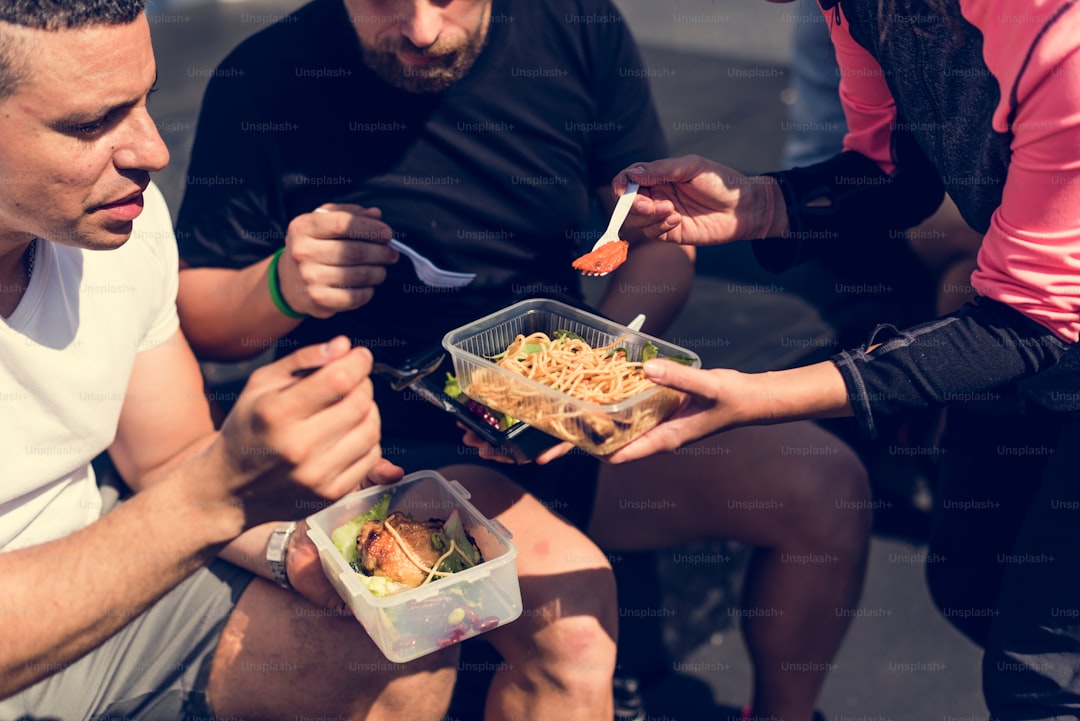
The 30-minute window after finishing is your most important recovery window. Aim for a 3:1 ratio of carbohydrate to protein — a recovery shake, chocolate milk, or a rice and chicken meal all work well. Follow this up with a proper meal within 2 hours containing at least 30g of protein and plenty of carbohydrates to replenish muscle glycogen fully.
Hydration Strategy
Dehydration of just 2% of bodyweight can impair performance significantly. Drink to thirst during racing (not to a schedule), and check your urine colour pre-race — pale yellow is the target. In hot conditions, include electrolytes (sodium, potassium, magnesium) in your race-day drinks — don’t rely on plain water alone for events over 60 minutes.
Golden Rules for Race Day Nutrition
- Never try new foods or supplements on race day — practise in training first
- Solid food is easier to digest at lower intensities — eat on the flatter, steadier parts of the bike leg
- Caffeine (3–6mg/kg) can boost performance — try 1–2 caffeinated gels 30–60 minutes before the run leg
- If you feel nauseous, drop to plain water and reduce your intake — pushing through gut distress makes it worse
- Keep a nutrition log after each race and training session to identify what works for your gut