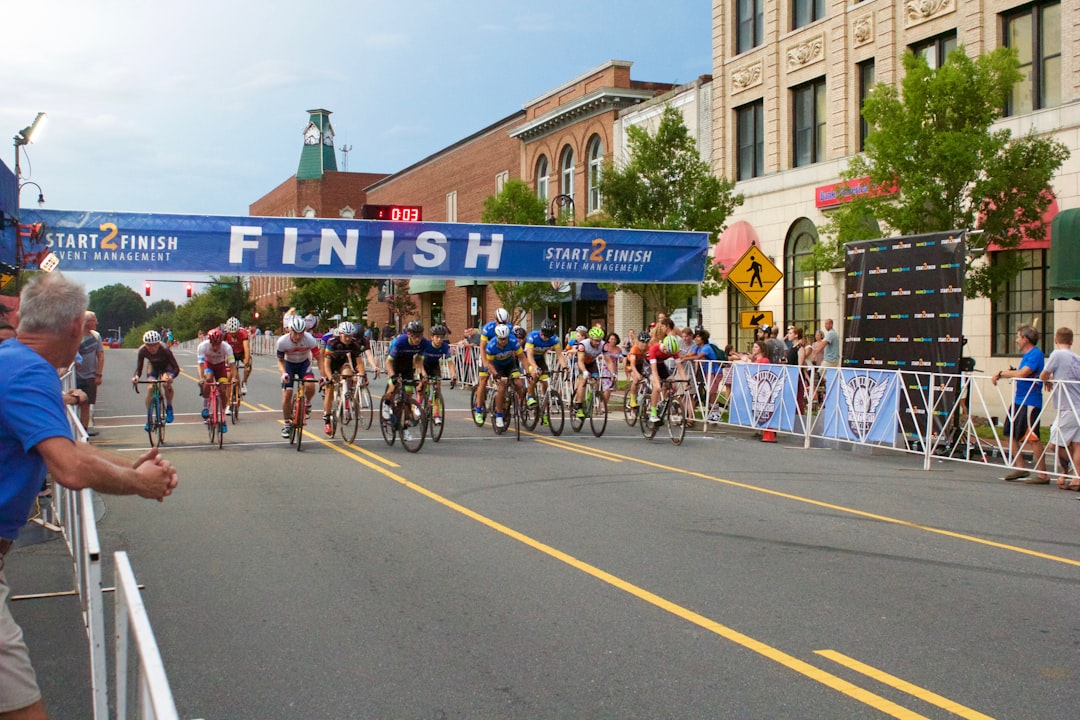
Triathlon Race Photography: How to Get the Best Shots on Race Day
Race photography has become a staple of the triathlon experience. Many athletes now plan their event weekend around capturing great images as much as chasing finishing times. But getting the best shots — whether from official photographers or your own supporters — requires a bit of planning. Here is how to get the most from your race day photos.
Where to Find Race Photographers
Most UK and international triathlon events work with dedicated race photography companies — Sportograf, RaceShots, and dedicated event photography teams are among the most common. Photos are uploaded to the race website within 24–48 hours and are searchable by race number. Download them early: many companies offer free or discounted downloads in the first 48 hours post-race. High-resolution files are usually available at £8–15 per image.
Brief Your Supporters Well
- Give them your race number and kit colours — Especially important in large events with 2,000+ participants. Describe your exact wetsuit colour, helmet, race kit, and bike frame so they can identify you in a crowd.
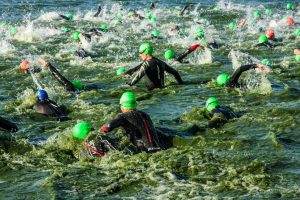
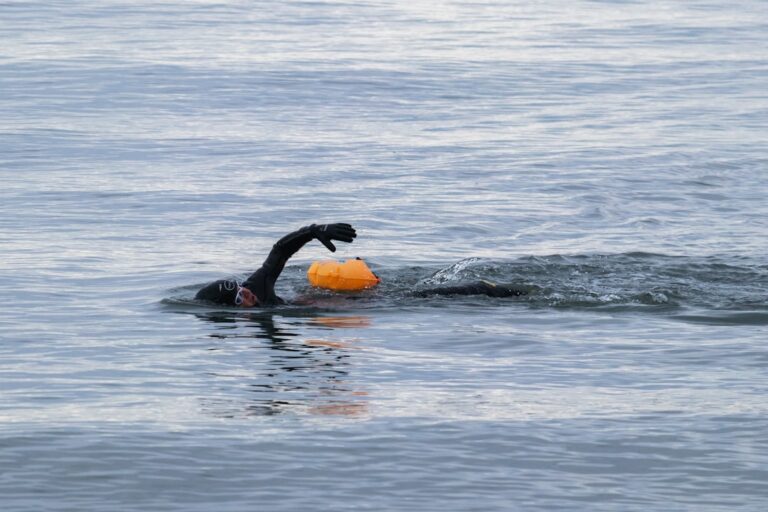
- Mark the course map together — Brief your supporters on the best photography spots: just after the swim exit (faces visible, transition energy is high), at the T2 exit (bike to run is a classic shot), and at the finish chute. Avoid the swim entry — it is chaotic and athletes are too far from shore to photograph cleanly.
- Enable burst mode on their phone — Even on a smartphone, holding the shutter button triggers burst mode and dramatically increases the chance of a sharp, well-composed shot. Action images need multiple frames to catch the peak moment.
- Arrive 20 minutes before your wave — Your supporters need to be positioned before the race starts. Getting past the athlete cordon to a good spot at T2 or the finish requires an early commitment on their part.
Tips for Better Race Photos
- Keep your race number visible — Wear your race number belt at the front during the run. Photographers index images by number, so a hidden or back-facing belt means you will miss many official shots.
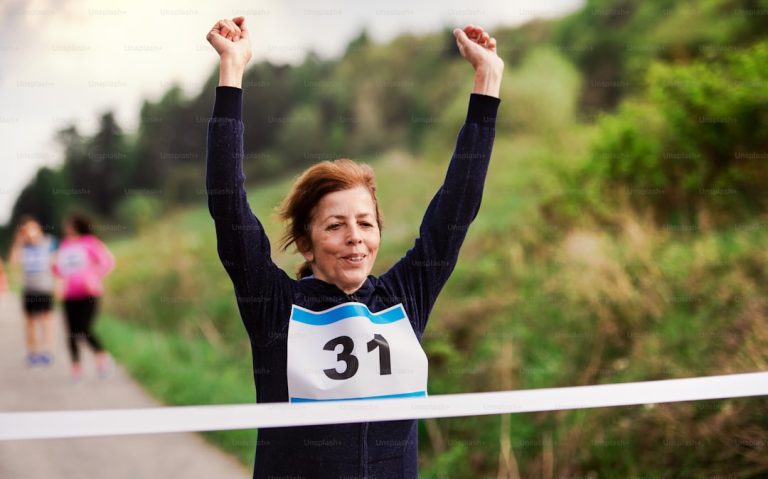
- Look up at the finish line — Most finishers stare at the ground or the clock. Raise your head, arms up, and look forward — the finish line camera is almost always straight ahead, and you will know the position from the crowd noise and announcer calling your name.
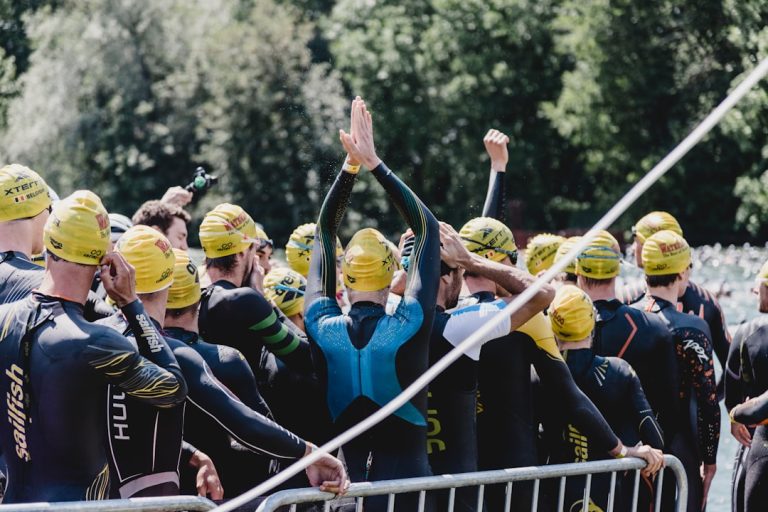
- Choose a distinctive kit colour — Black is the hardest to photograph in a mass field. Bright colours — neon yellow, orange, coral — stand out in crowds and transition areas and are easier for both photographers and supporters to track.
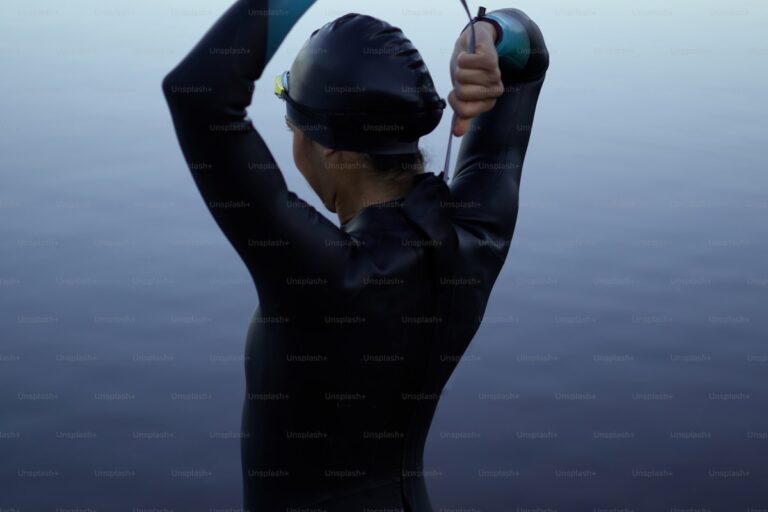
- Use the pro photographer angles for inspiration — The best official shots often come from T1 with a long lens as you pull off your wetsuit. Knowing where professionals position themselves helps you brief supporters to complement those angles rather than duplicate them.
Post-Race Sharing
Use your official race number to search the event’s photo platform within 48 hours. Download full-resolution files rather than screenshotting previews — social sharing quality is acceptable, but the originals are worth keeping for print or framing if the shot is exceptional. Tag the event hashtag and photography company on social media: they often reshare athlete posts, and it builds the community around the events you race.