Electronic vs Mechanical Groupsets: Which Is Right for Your Triathlon Bike
The Basic Difference
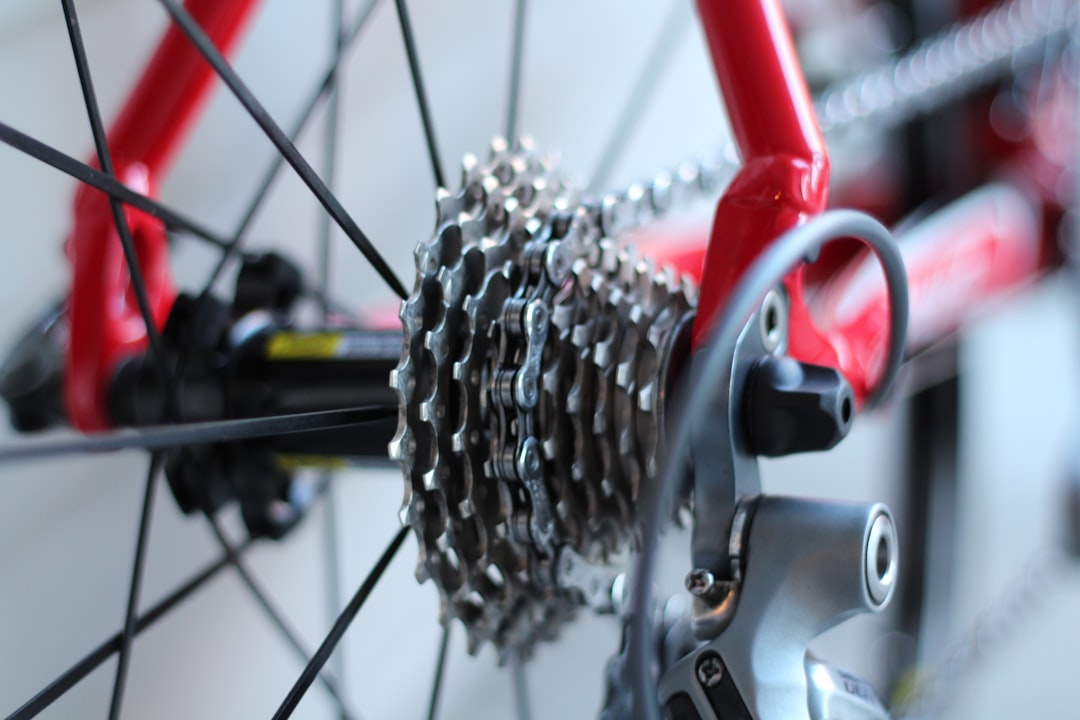
Mechanical groupsets shift using a steel cable pulled by your shifter lever, the same basic system road bikes have used for decades. Electronic groupsets — SRAM AXS or Shimano Di2 — use a small motor at the derailleur, triggered by a button press, either through a wire (Di2’s semi-wired setups) or fully wirelessly (AXS, and Shimano’s newer wireless Di2 options). For triathletes specifically, aero bar-mounted shifters make electronic groupsets particularly appealing, since routing shift buttons to the ends of clip-on extensions is far simpler electronically than running mechanical cables that far.
The Case for Electronic
- Shifting is consistent regardless of cable stretch or contamination, and doesn’t need re-tuning through the season
- Much easier to add remote shift buttons on aero extensions and base bar, useful for triathlon-specific setups
- Wireless systems (AXS) remove cable routing entirely, simplifying builds on aero triathlon frames with tight internal routing
- Front derailleur auto-trim and other software refinements reduce chain rub without any rider input
The Case for Mechanical
- Significantly cheaper — often half the price or less of the equivalent electronic groupset
- No batteries to charge before a race, and no risk of a dead derailleur battery mid-event
- Simpler to service yourself with basic tools, and easier to find a mechanic who can fix it anywhere in the world
- Field-repairable in a way electronic systems generally aren’t if something breaks away from home
Cost Considerations
The price gap is real and significant — a mechanical 105 or Rival-level groupset costs a fraction of the equivalent electronic option, and that gap widens further as you move up to Ultegra/Force and Dura-Ace/RED tiers. For most age-group triathletes, a mechanical groupset at a given tier will out-shift an electronic groupset one or two tiers below it, so the decision often comes down to whether you’d rather spend the difference on wheels, a bike fit, or simply keep it in your pocket.
What We’d Recommend
If you’re building a dedicated triathlon or TT bike with aero-bar shifting and budget allows, electronic is worth the premium for the ease of routing remote buttons alone. If you’re on a road bike doing double duty for training and racing, or budget is the main constraint, a solid mechanical groupset at a higher tier (105 or Rival) will shift better than a cut-price electronic groupset and leaves money for other upgrades that matter more to your racing.