Training in the Heat: Staying Safe and Fast
Late summer often serves up the hottest training days of the year, right as long-course athletes are deep into their biggest weeks before autumn racing. Heat doesn’t just make training uncomfortable — it changes what your training is actually doing, and training through it badly can leave you flat rather than fitter. Here’s how to get the adaptation without the risk.
How Heat Acclimatisation Actually Works
Your body adapts to consistent heat exposure over roughly 7-14 days: plasma volume increases, you start sweating earlier and more efficiently, and your core temperature rises more slowly for the same effort. The adaptation is driven by elevated core and skin temperature during exercise — not by hitting a specific pace or power number — which is why heat sessions should be judged by effort and duration, not by matching your usual splits.
Building a Heat Block Into Your Training Week
You don’t need to turn every session into a heat session. Two to three shorter, deliberately warm sessions a week — 45-75 minutes at an easy-to-moderate effort — are enough to drive most of the adaptation, while your key quality sessions (intervals, race-pace work) are better done earlier in the day or in cooler conditions where you can still hit the numbers you’re targeting. Trying to nail a threshold session in the hottest part of the afternoon usually means neither the heat adaptation nor the intended training stimulus lands properly.
Hydration and Electrolytes During Hot Sessions
Sweat rate — and sweat sodium content — varies hugely between individuals, so generic “drink X ml per hour” advice only gets you so far. A simple, practical approach: weigh yourself before and after a hot session with no fluid intake, and use the weight lost (in kg, roughly equivalent to litres of sweat) to estimate your real hourly sweat rate, then build your fluid and electrolyte plan around that number rather than a guess. On genuinely hot days, add electrolytes to your fluids rather than relying on plain water alone, particularly on sessions over 60-90 minutes.
Warning Signs You’re Overheating
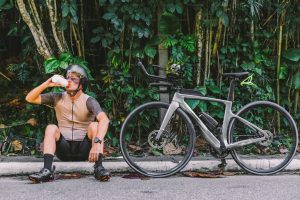
Know the difference between normal heat discomfort and something you need to stop for. Goosebumps or chills despite the heat, a sudden headache, confusion or irritability, stopping sweating, or your effort feeling dramatically harder than the pace or power would normally justify are all signs to ease off, seek shade and cool down — not signs to push through. Heat illness escalates quickly once these symptoms appear, and it’s not a session worth “toughing out.”
Gear and Timing Adjustments
Light-coloured, loose-fitting kit and a cap or visor you can soak in water make a genuine difference on hot rides and runs. Where possible, schedule your heat-acclimatisation sessions for the warmest window of the day rather than avoiding it — that’s the entire point of the exercise — but reserve early morning or evening slots for the sessions where hitting your actual training numbers matters more than the heat exposure itself.