How to Use Zwift for Triathlon Training: The Complete Guide
Zwift has become the most widely used indoor training platform among triathletes, but most athletes only use a fraction of what it can do. Many log on, select a route, pedal for an hour, log off. That approach misses the structured workout library, the FTP testing tools, the virtual group rides and the racing that make Zwift genuinely useful for building triathlon-specific fitness. This guide covers how to use Zwift properly — from initial setup through to race-day preparation.
Getting Set Up
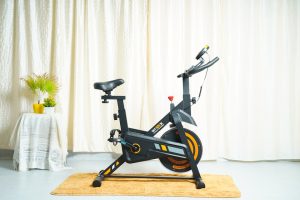
You need three things to run Zwift effectively: a smart trainer (or a standard trainer with a speed/cadence sensor and estimated power), an ANT+ or Bluetooth adapter if you are on a PC, and a device to run the app (iOS, Android, Apple TV, PC or Mac). A power meter paired to your head unit or Zwift directly gives more accurate watt numbers than the trainer’s estimated power, particularly at lower resistances in ERG mode. Once paired, calibrate your smart trainer via the Zwift pairing screen — this ensures the resistance curve matches your weight and the virtual watts are consistent across sessions.
ERG Mode: The Triathlete’s Most Valuable Tool
ERG mode sets a specific target watt and the trainer automatically adjusts resistance to hold that watt regardless of your cadence. For triathlon training, this is transformative. Load a structured workout — say, 3×20 minutes at threshold — and the trainer holds you at exactly the prescribed intensity whether you are on a climb or a descent in the virtual world. You stop managing resistance and focus entirely on executing the workout. Most athletes who switch to ERG mode for structured sessions see compliance with training zones improve dramatically within a few weeks.
Finding Your FTP on Zwift
Zwift offers two FTP testing options: the standard 20-minute FTP test (your average power for 20 minutes × 0.95 = estimated FTP) and the shorter Ramp Test, which incrementally increases power until you cannot hold the target. For triathletes, the Ramp Test is often the practical choice because it takes 15-20 minutes rather than 60 minutes including warm-up, and it does not require the pacing skill that the 20-minute effort demands. Update your FTP in Zwift settings every 6-8 weeks during build phases to ensure your training zones remain accurate.
Structured Workout Plans for Triathlon
Zwift’s workout library includes both Zwift-authored training plans and plans from TrainerRoad, Sufferfest and others. For triathletes, the most useful Zwift-native plans are the 6-Week Triathlete (beginner-friendly, 3-4 rides per week) and the BUILD ME UP block (advanced, 12 weeks of progressive overload). These are not triathlon-specific in the sense of incorporating swim or run — they address cycling fitness exclusively, which is typically the biggest time sink in triathlon training. Pair your Zwift cycling block with your swim and run programme from a TrainingPeaks plan or coach and treat Zwift as the bike-specific training environment.
Zwift Racing: Using Virtual Competition for Fitness
Zwift Racing League and ZwiftPower host category-based races throughout the week. For triathletes, Zwift racing is excellent preparation for the non-draft bike leg of a triathlon — it teaches you to manage surges, respond to attacks at threshold and then continue riding after a hard effort. Racing in Zwift is harder than doing the same watt total in a solo workout because the virtual surges force you above threshold repeatedly. Race at least once per week during a build phase to develop the anaerobic capacity that is often undertrained in steady-state triathlon cyclists.
Pairing Zwift with Your Swim and Run Training
Zwift does not offer swimming or running sessions, but the Apple Watch/Garmin watch integration logs your Zwift ride to your primary training account (Garmin Connect or Apple Health) alongside your swim and run data. Some athletes use Zwift for the bike leg of a virtual brick — ending a Zwift ride and immediately hitting the treadmill or running outdoors. This transition practice is useful in winter when outdoor bricks are impractical. The transition physiological stress (the heavy-legged feeling when you start running off the bike) is replicated regardless of whether the bike leg was virtual or real.
Cost and Alternatives
Zwift costs £17.99/month (2026 pricing). For triathletes who only ride indoors during a winter block, the month-to-month subscription is sensible — pause the subscription when you move outdoors. Main alternatives are TrainerRoad (more structured plans, less virtual world immersion, £18/month), RGT Cycling (free tier available, smaller user base), and Rouvy (realistic video-based outdoor routes). Most experienced triathlon cyclists use Zwift from October to March and then switch to outdoor training for the spring and summer build.