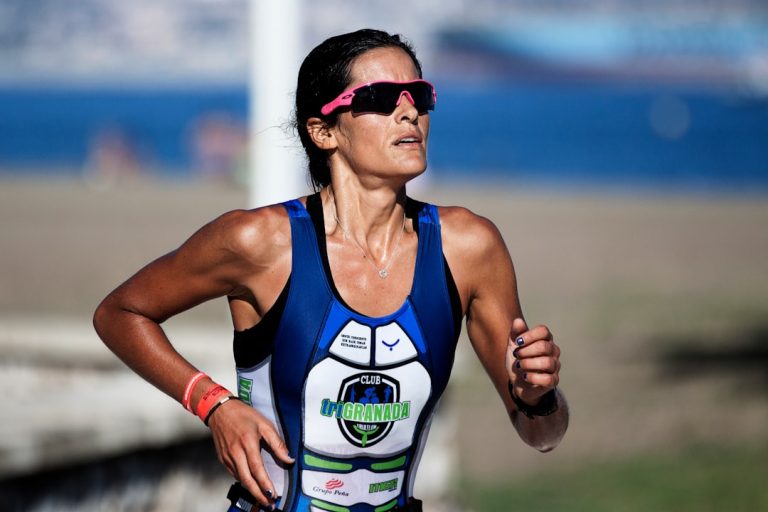
How Sleep Affects Triathlon Performance: The Science of Recovery
Triathletes obsess over training load, nutrition and gear, but sleep is often the first thing sacrificed to fit in a 5am swim session. That’s a problem, because sleep is where the actual adaptation from training happens — the hard session only creates the stimulus; recovery is where fitness is built.
Why Sleep Matters for Endurance Athletes
Deep sleep is when the body releases the majority of its daily growth hormone, which drives muscle repair and tissue recovery. Sleep also plays a major role in glycogen replenishment, immune function, and the nervous system recovery that lets you hit your next hard session at full intensity rather than running on residual fatigue. Consistently cutting sleep short doesn’t just make you tired — it blunts the return on the training you’re already doing.
The Triathlete’s Sleep Debt Problem
Triathlon has a structural sleep problem that other sports don’t face in quite the same way: three disciplines to train, pool lane availability that often forces early starts, and long weekend sessions that eat into the following night’s wind-down time. Athletes training for 70.3 or full-distance races routinely stack 5am starts on top of full-time jobs and family life, and the sleep debt accumulates quietly across a training block until it shows up as flat legs, irritability, or a cold that won’t go away.
Practical Fixes
- Protect a consistent wake time, even on rest days — it anchors your body clock more effectively than trying to “catch up” with a lie-in.
- Shift your hardest sessions earlier in the week where possible, so recovery sleep lands before a demanding work week rather than after it.
- Cut caffeine after early afternoon — it has a longer half-life than most people assume, and race-week caffeine sensitivity is worth testing well before race day, not on it.
- Use short naps strategically on double-session days: 20-30 minutes early afternoon, not late enough to disrupt the following night.
- Treat pre-key-session sleep as part of your taper, not an afterthought — the two nights before a big long ride or race matter more than any single supplement.
Tracking Sleep Without Obsessing Over It
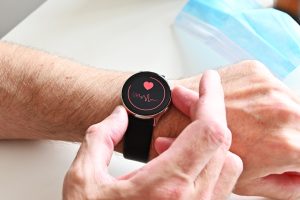
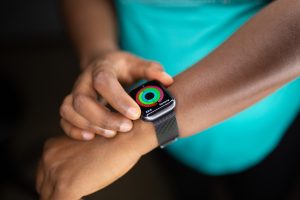
Most modern GPS watches now track sleep stages and next-day readiness alongside training load, which can be a useful early warning sign that a training block needs a lighter day. Treat the data as a trend to watch over weeks, not a nightly scorecard — chasing a “perfect” sleep score can become its own source of stress, which is counterproductive for the thing you’re trying to improve.
See also: Best Triathlon GPS Watches 2026 · How to Avoid Burnout in a Long Race Season.