Training Through Injury: When to Push and When to Rest
One of the hardest decisions any triathlete faces is whether to train through discomfort or step back and rest. Push too hard and you risk turning a minor niggle into a serious injury. Rest too readily and you lose valuable fitness. This guide gives you a clear framework for making smarter decisions when your body is sending warning signals.
Pain vs Discomfort: Know the Difference
Normal training discomfort (usually safe to train through): General muscular fatigue after a hard week, mild DOMS (delayed onset muscle soreness) 24-72 hours after hard sessions, or tired legs in the final weeks of a training block.
Warning signs that require rest or modification: Sharp, stabbing, or shooting pain during or after exercise; pain that worsens during a session rather than warming up and easing; swelling, redness, or heat around a joint; altered gait or movement pattern to compensate for pain; pain that persists more than 72 hours after a session.
The Traffic Light System
Use this simple traffic light system before every training session when managing an injury:
- Green (go as planned): Pain is absent or mild DOMS only at rest that disappears when warmed up. RPE feels proportionate to effort.
- Amber (modify): Some discomfort present but less than 3/10. Warm up slowly; if it eases within 15 minutes, continue at reduced intensity. If it stays at 3/10 or above, stop the session.
- Red (rest): Pain is 4/10 or above, worsening during warm-up, or related to a specific structure (tendon, joint, bone). Rest and seek professional assessment if it does not resolve within 5-7 days.
Smart Cross-Training During Injury
An injury to one discipline does not have to mean zero training. Triathletes have a unique advantage: three sports to choose from.
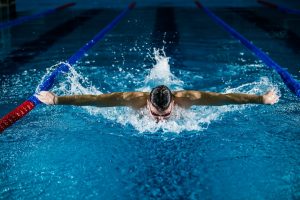
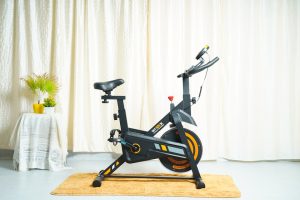
- Knee injury: Pool running (aqua jogging), cycling in low gears, swimming
- Shoulder injury: Cycling and running; avoid swimming until properly assessed
- Achilles or plantar fascia: Cycling and swimming; avoid all impact activities
- Hip flexor strain: Swimming; avoid running and heavy climbing on the bike
Pool running (aqua jogging) is one of the most underused tools in triathlon. It maintains cardiovascular and run-specific fitness with zero impact, making it ideal for runners managing lower limb injuries in the lead-up to a race.
When to See a Professional
Seek assessment from a sports physiotherapist if pain is above 4/10 or does not resolve within 72 hours of rest, if you notice swelling or referred pain down a limb, if you are altering your gait or stroke to compensate, or if the same injury keeps recurring each training cycle. Early professional advice is almost always cheaper and faster than ignoring an injury and dealing with the consequences weeks later.
The Key Principle
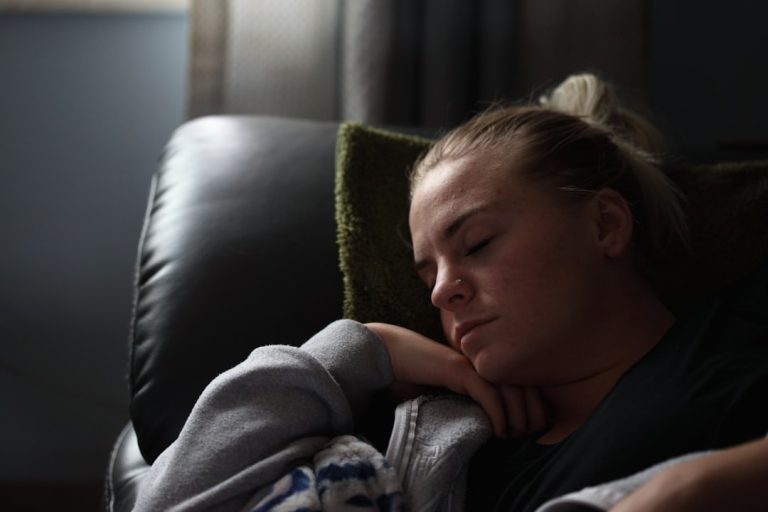
The goal of every triathlete should be consistent, healthy training over many months. Missing one or two sessions due to rest is not meaningful. Missing three months due to an unmanaged injury is. When in doubt, one extra rest day costs very little — pushing through real injury costs a great deal.