How Long Does It Take to Get Fit for Triathlon?
One of the most common questions from newcomers to the sport is: “How long will it take before I’m fit enough to race?” The honest answer depends on your starting fitness, your target distance, and how consistently you can train — but there are clear benchmarks that apply to most people.
It Depends on the Distance
Triathlon spans a huge range of distances, from a 20-minute super-sprint to a 17-hour Ironman. Each demands a different level of base fitness and a different training runway.
Sprint Triathlon: 6–10 Weeks
A sprint triathlon (750m swim, 20km bike, 5km run) is the most accessible entry point. If you already swim, cycle, or run regularly — even in just one discipline — you can be race-ready in 6–10 weeks. Complete beginners with no current fitness base should allow 12–16 weeks to train comfortably without injury risk.
The key is not finishing times, but the ability to complete the swim without stopping, sustain the bike at a comfortable effort, and run or walk the 5km at the end. Most people underestimate how achievable this is.
Olympic Triathlon: 12–20 Weeks
At Olympic distance (1500m swim, 40km bike, 10km run), you’re looking at 1.5 to 2.5 hours of sustained effort. Someone with a general aerobic base from other sports can be ready in 12 weeks; true beginners should plan for 16–20 weeks of structured training. Being comfortable swimming 1500m continuously — that alone often takes 8–12 weeks to build.
70.3 Half Ironman: 20–28 Weeks
A 70.3 (1.9km swim, 90km bike, 21km run) requires a significant aerobic base and roughly 10–14 hours of race-day effort for most age groupers. Plan for at least 20 weeks from a reasonable fitness base, or 28+ weeks from scratch. Nutrition becomes a critical component at this distance — it’s not just about fitness.
Full Ironman: 9–12 Months Minimum
An Ironman (3.8km swim, 180km bike, full marathon) is a multi-year project for most athletes. Most coaches recommend having at least one full season of triathlon experience before attempting the full distance. A realistic preparation timeline is 9–12 months from a strong aerobic base.
What Actually Determines Your Timeline
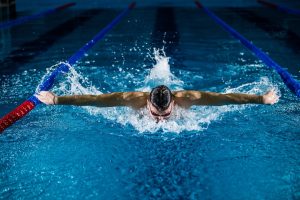
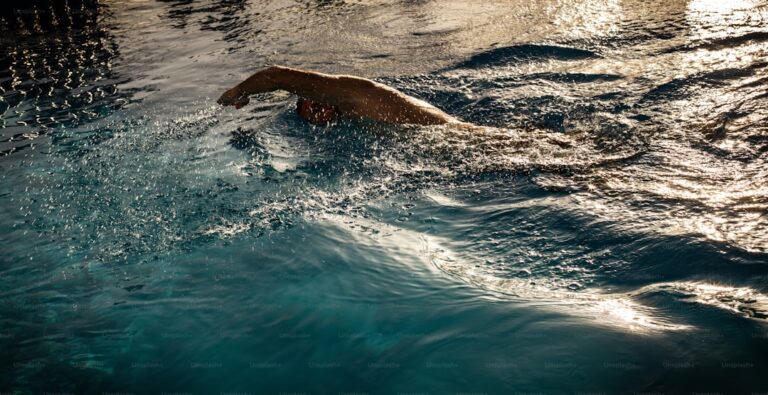
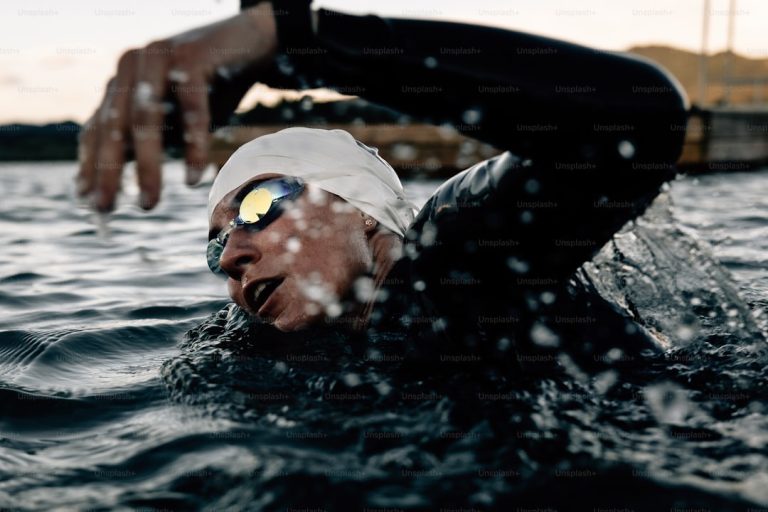
- Current swim fitness — Swimming is usually the biggest limiter for new triathletes. If you can’t swim 200m comfortably, add 4–6 weeks to any estimate above.
- Consistency — Training 4–5 days per week will get you race-ready faster than 2–3 days. Quality matters more than volume.
- Injury history — Running injuries are the most common setback. Don’t rush the run build.
- Recovery and age — Athletes over 40 typically need slightly longer recovery windows, which can extend training timelines by 10–20%.
The Most Important Rule
Don’t try to get fit for triathlon quickly — try to get fit sustainably. The athletes who progress fastest build gradually, avoid injury, and stack consistent weeks. Pick a race 3–6 months out, build a simple plan, and trust the process. Most people are fitter than they think after 12 weeks of proper structured training.