Cross-Training for Triathletes: The Best Alternative Sports
Cross-training gives your overworked triathlon muscles a rest while maintaining cardiovascular fitness. For triathletes who train swim, bike, and run year-round, adding a fourth or fifth modality during the off-season can be the smartest move of the year — and often the most enjoyable.
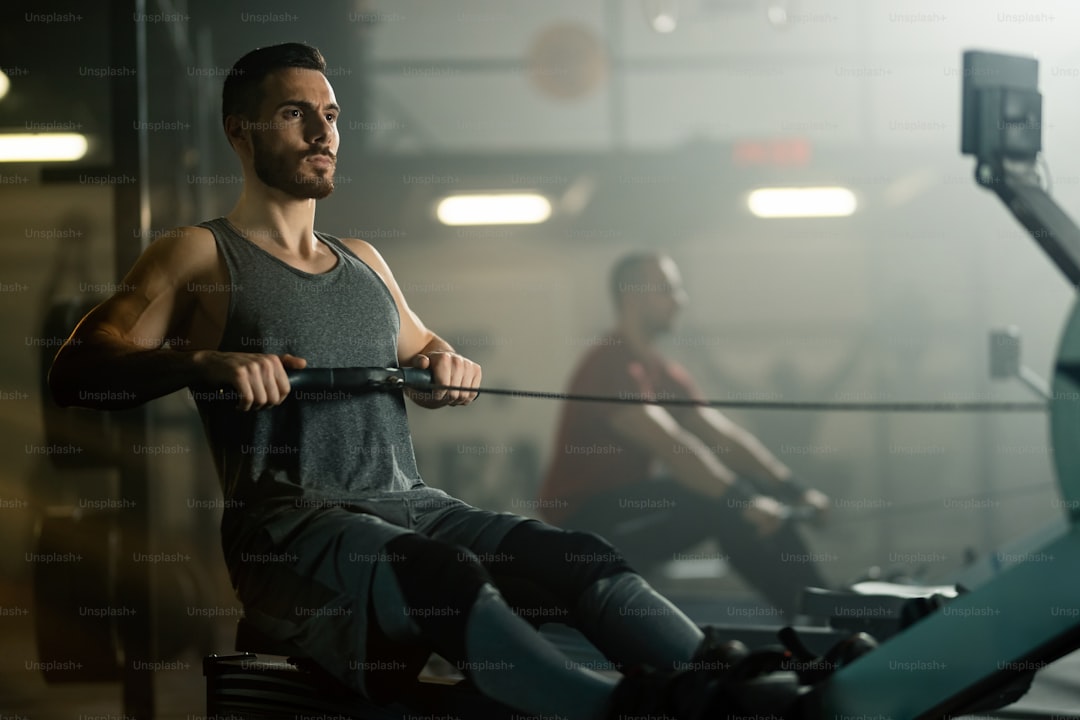
1. Indoor Rowing
Rowing is arguably the perfect triathlon cross-training tool. It’s non-impact, highly cardiovascular, and works your posterior chain — exactly the muscles that swim, bike, and run tend to neglect. A 20-minute hard row on a Concept2 erg can replace a turbo session, build core strength, and give your running joints a complete rest. Target 3,000–5,000m per session for meaningful aerobic benefit.
2. Rock Climbing
Climbing develops grip strength, upper body pulling power, and body awareness — all of which translate directly to a better swim catch and a more powerful and stable bike position. Indoor bouldering is particularly accessible (no rope, no harness, pay-as-you-go) and even two sessions per week builds functional strength the gym can’t fully replicate.
3. Yoga
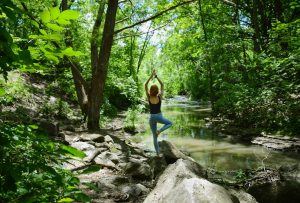
Beyond flexibility, yoga develops isometric strength, balance, and body awareness. A regular practice — even 20 minutes daily — can resolve chronic tightness in hip flexors, hamstrings, and thoracic spine, all common triathlete problem areas. Hot yoga specifically supports heat acclimatisation for summer racing and improves mental toughness in uncomfortable conditions.
4. Cross-Country Skiing or Ski Touring
For athletes with mountain access, cross-country skiing is one of the highest VO2max sports in existence. It’s a full-body aerobic workout that challenges your cardiovascular system harder than running at the same RPE while being completely impact-free. Ski touring adds elevation and duration that maps directly onto Ironman or long-course preparation.
5. Hiking and Trail Walking
Low-intensity hiking is the most underrated triathlete recovery tool. A 3-hour mountain walk maintains aerobic base with virtually zero injury risk, builds eccentric quad strength for descents, and restores motivation after a long race season. It’s also one of the few activities that simultaneously provides training stimulus and genuine mental recovery.
6. Swimming (Non-Freestyle Strokes)
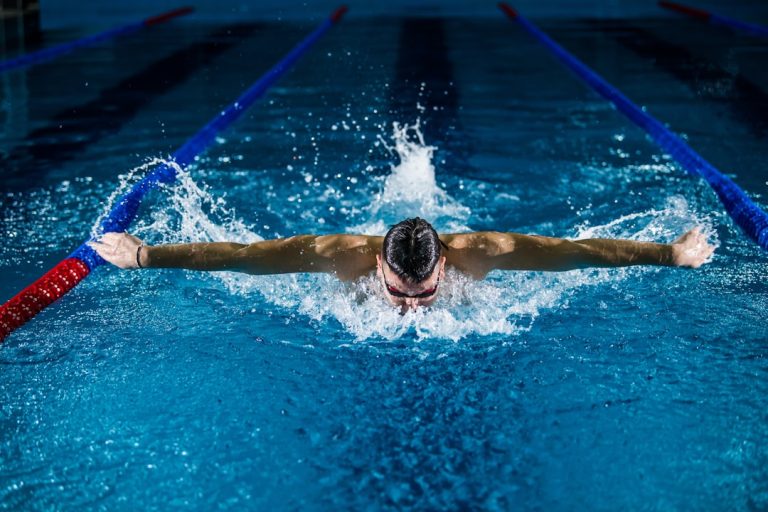
If you’re resting from run and bike but still want pool time, switching to backstroke, breaststroke, or butterfly gives your freestyle muscles a break while maintaining swim-specific cardiovascular fitness. Butterfly in particular will expose shoulder imbalances — useful diagnostic information for the coming season.
How to Integrate Cross-Training
During the off-season (September–November), aim for 1–2 cross-training sessions per week alongside a reduced swim/bike/run programme. Don’t eliminate triathlon training entirely — maintain 2–3 swim sessions and 1–2 easy runs throughout winter to preserve technique and neuromuscular patterns. Cross-training supplements, it doesn’t replace.