How to Race Your First Aquathlon: A Beginner’s Complete Guide
An aquathlon — a swim followed immediately by a run — is one of the most underrated entry points into multisport racing. It removes the bike entirely, cuts equipment costs dramatically, and leaves you with an event that’s exciting, competitive, and a genuine fitness test. If you’ve been thinking about triathlon but aren’t ready to add a bike into the mix, an aquathlon is the perfect first step.
What Is an Aquathlon?
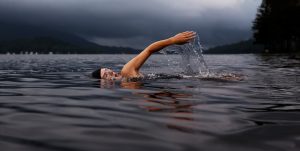
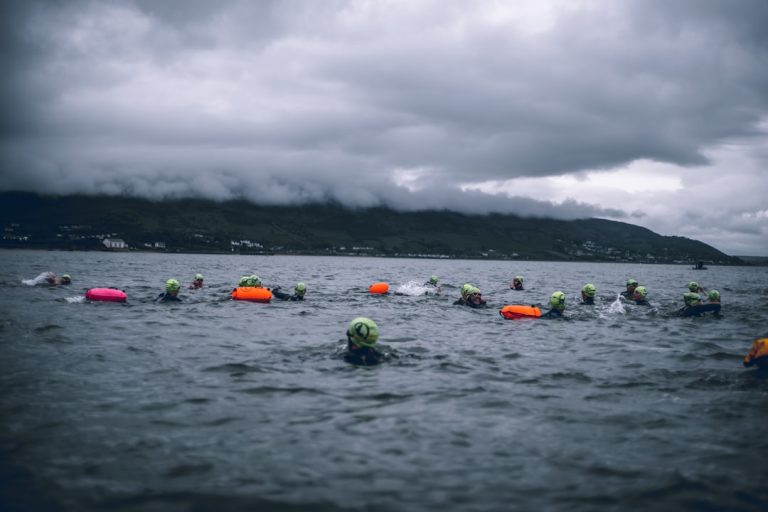
The standard World Triathlon aquathlon format is 1,000m of open water swimming followed by 5km of running, with a single transition between the two disciplines. Many UK domestic races use slightly different distances — 750m swim and 3-5km run are common variations. Unlike triathlon, you don’t need a bike, a helmet, or any cycling kit. The barrier to entry is genuinely low.
What to Wear
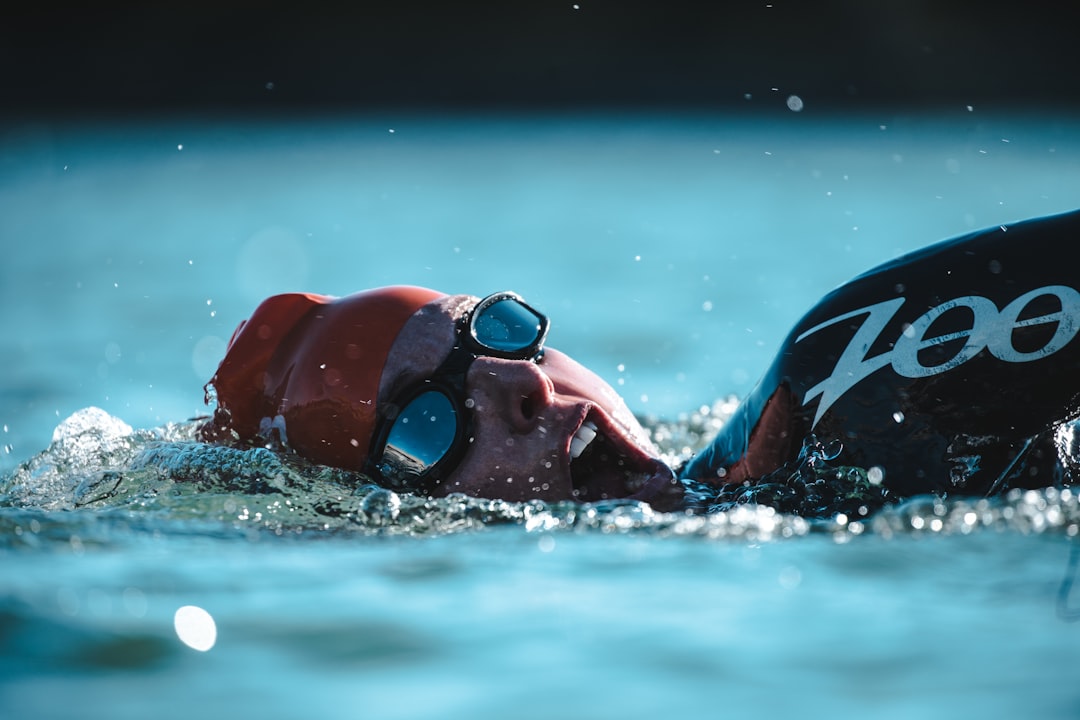
For an aquathlon in UK open water, a wetsuit is almost always recommended and usually mandatory in cooler temperatures. Beneath it, wear a tri suit or close-fitting swimming shorts. You’ll transition directly from wetsuit off to running shoes on — so consider your run kit carefully. A tri suit is the fastest option, as it takes you from swim to run without a change of clothing.
For your feet: have your running shoes pre-laced and loose at transition, ideally with elastic laces. You’ll be pulling shoes on with wet feet — don’t make it harder than it needs to be.
Pacing the Swim
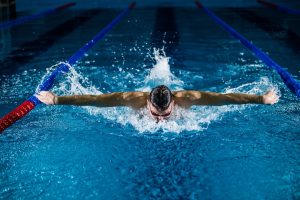
The most common mistake in aquathlon is swimming too hard at the start. Open water mass starts are chaotic — there’s physical contact, turbulence, and an adrenaline rush that makes everyone feel capable of sprinting indefinitely. You can’t. Seed yourself in an appropriate position, find clear water within the first 50-100m, and settle into a rhythm that’s hard but sustainable. You should be breathing hard but not gasping.
The Transition
Aquathlon transitions are quick. Strip the wetsuit as you run from the water to your transition area — unzip and pull the top half down to your waist while moving, then sit briefly to pull your legs free. Have shoes pre-loosened and your race number on an elastic belt if required. From wetsuit off to running out should take under 60 seconds with a little practice.
Pacing the Run
The honest truth about the aquathlon run: it feels terrible for the first 400-600 metres. Your heart rate is high, your legs feel like rubber, and your breathing is still ragged from the swim. This is completely normal. Don’t let it panic you into walking. Trust that it passes — usually by the first kilometre — and hold whatever pace you can manage through the discomfort.
Aim to run the first kilometre slightly slower than your goal pace and build from there. Most experienced aquathletes run negative splits — getting faster through the run as the body adapts and swim-induced lactate clears.
Race Day Logistics
Arrive early — aquathlon transition areas are simpler than triathlon but you still need to rack your shoes, attach your race number, and understand the layout. Walk the run-in from the water to your rack position before the race. Check where the swim exit is and how far it is from transition — it varies by venue. And wear sunscreen: you’ll be standing in the sun for at least 20-30 minutes before the start.
Finding an Aquathlon in the UK
World Triathlon runs a Global Aquathlon Series with races across multiple countries. In the UK, British Triathlon sanctions domestic aquathlons through affiliated clubs, with many clubs running monthly summer aquathlons at low cost — perfect for a first event. Search the British Triathlon event finder or check your local club calendar for dates between June and September.