How to Fix a Flat Tyre During a Triathlon Race
A puncture on the bike leg doesn’t have to end your race. With the right kit and a practised technique, you can fix a flat and be moving again in under four minutes. Here’s exactly what to do — and how to prepare before race day so this never catches you off guard.
What to Carry on Race Day
Race rules for most triathlon formats (IRONMAN, British Triathlon, WTCS) require you to carry your own repair kit and fix your own mechanical problems. No outside assistance is permitted on the bike course. Your flat repair kit should include:
- 1–2 CO2 cartridges (16g or 25g, depending on your tyre size) — infinitely faster than a mini pump
- CO2 inflator head — fits the cartridge to your valve
- 1 spare inner tube (correct size for your wheel) — sealed in its packaging
- 2 tyre levers — plastic, not metal, to avoid damaging the rim
- A patch kit (optional backup if you get a second puncture)
Carry everything in a saddle bag or your bento box. Know exactly where it is before you start — fumbling for kit in a panic costs valuable minutes.
How to Fix a Flat: Step by Step
- Get off the road safely. Signal and move to the verge or a safe area before stopping. On a race course, marshals will direct you.
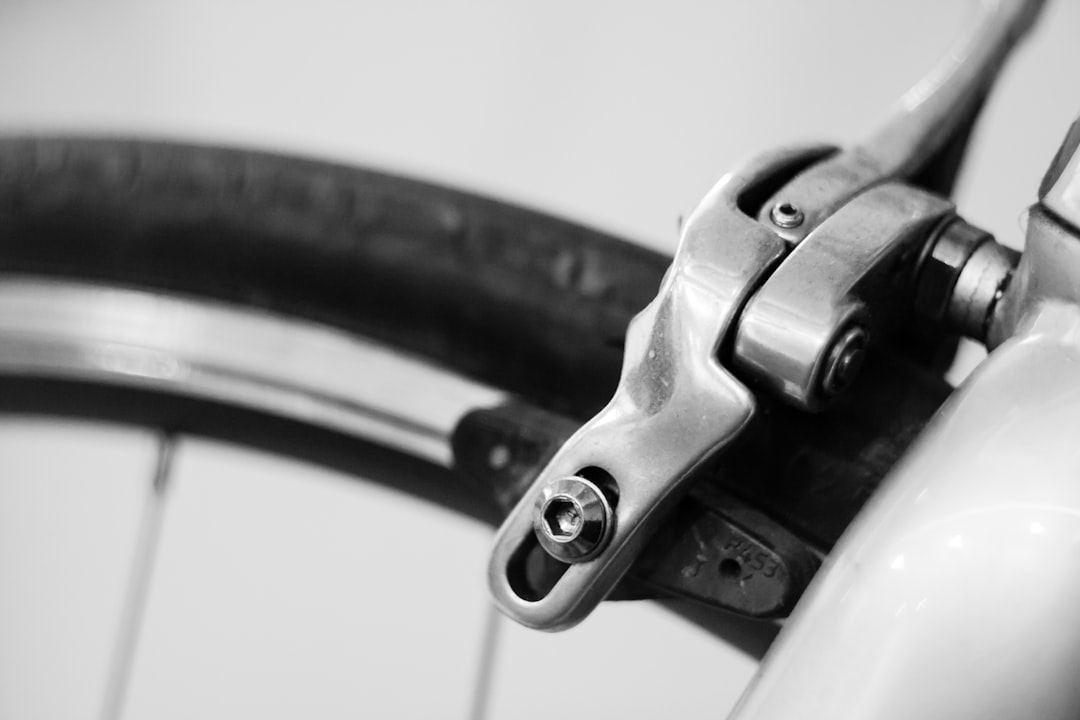
- Remove the wheel. For a rear puncture, shift to the smallest cog first, then undo the quick release or thru-axle. For a front flat, simply release the brake and skewer.
- Remove the tyre. Deflate any remaining air. Use tyre levers to work the tyre bead off one side of the rim, starting opposite the valve. Work around the rim until one side is free.
- Remove the tube. Pull out the old inner tube, starting at the valve. Don’t discard it yet — run your fingers around the inside of the tyre to find what caused the puncture. Remove the object (glass, nail, flint) before fitting the new tube or you’ll puncture immediately again.
- Fit the new tube. Inflate the new tube with a short burst of air — just enough to give it shape. Seat the valve through the rim hole, then work the tube inside the tyre all the way around.
- Reseat the tyre. Work the tyre bead back onto the rim by hand. Avoid tyre levers for this step — they can pinch the new tube and cause an instant puncture. The final section is the hardest; use your thumbs to push the bead over the rim edge.
- Inflate with CO2. Attach the inflator head to the valve (check you have the right valve type — Presta or Schrader). Screw in the CO2 cartridge to release gas. A 16g cartridge inflates a standard road tyre to approximately 90–100 psi.
- Refit the wheel. Ensure the wheel is centred before tightening the skewer. Check the brakes clear the rim on both sides.
Practice Before Race Day
Practise changing a tube at home until you can do it in under four minutes. Start with your bike stationary on a stand, then progress to sitting on the ground — race conditions. Time yourself. Most triathletes who practise regularly can complete a tyre change in 2–3 minutes; those who have never practised typically take 10–15 minutes under race-day stress.
Tyre Sealant Option
Some athletes use tubeless tyre setups with liquid sealant (Stan’s NoTubes or Muc-Off) which automatically seals small punctures without stopping. This is increasingly popular on IRONMAN bikes where losing 10 minutes to a flat change has a huge impact on overall race time. The trade-off is a heavier wheel and slightly more complex setup. If you run clinchers, consider latex inner tubes over butyl — they’re lighter and self-seal small punctures more effectively.