Race Week Nutrition: A Day-by-Day Guide for Triathletes
What you eat in the week before a triathlon has a significant impact on race day performance — yet most athletes either undereat, overeat, or make gut-busting mistakes with untested foods. This day-by-day guide covers exactly what to eat from the Sunday before your race through to race morning, with the reasoning behind each phase.
Sunday and Monday: Normal Balanced Eating
With 6–7 days to go, there’s no need to change anything dramatically. Eat your normal training diet: balanced meals with quality protein (chicken, fish, eggs), complex carbohydrates (oats, brown rice, sweet potato), and plenty of vegetables. Focus on adequate hydration — aim for 2–2.5 litres of water daily. If your training volume is tapering this week, don’t compensate by eating more; your calorie needs are naturally decreasing.
Tuesday and Wednesday: Gradual Carb Increase
Begin increasing carbohydrate intake slightly. The goal is to top up liver and muscle glycogen stores, not to feast. Add an extra serving of complex carbs at each meal — an extra scoop of rice, a larger portion of pasta, or a second slice of wholegrain bread. This is not the time for dramatic eating changes; subtle increments work best and don’t stress the digestive system.
- Breakfast: oats with banana and honey rather than just eggs
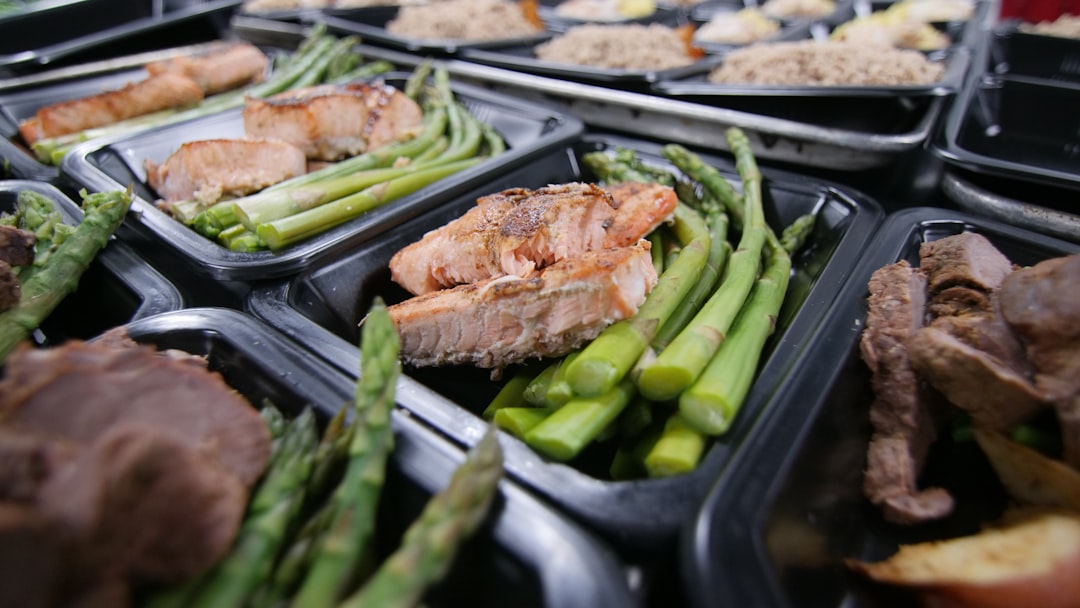
- Lunch: rice bowl with chicken or salmon — larger carb portion than normal
- Dinner: pasta or potato-based meal with a quality protein source
- Snack: banana, rice cakes, or a handful of dried fruit for easily digested carbs
Thursday: Full Carb Load (for Sprint and Olympic)
For Sprint and Olympic distance races, Thursday is your main carb-loading day. For IRONMAN and 70.3, spread carb loading across Thursday and Friday. Target 8–10g of carbohydrates per kilogram of bodyweight. For a 70kg athlete, that’s 560–700g of carbs — achievable but requires focus. Stick to easily digestible, low-fibre sources: white rice, white pasta, bread, bananas, sports drinks. Avoid beans, lentils, broccoli, and other gas-producing foods now.
Friday: Light Meals, High Carb, Early Dinner
Eat your final big carb-heavy meal at lunch on Friday, not dinner. This gives your gut 12–14 hours to process it before race morning. Dinner should be small, familiar, and easily digestible — plain pasta with a light sauce, rice and chicken, or similar. Avoid alcohol entirely from Thursday onwards. Continue hydrating steadily: don’t over-drink (which flushes electrolytes), but aim for consistently pale-yellow urine throughout the day.
Saturday: Simple, Safe, Familiar
The golden rule for Saturday: eat only foods you know your gut tolerates. No new restaurants, no exotic cuisines, no heavy meals. Keep meals simple and moderate in size. A light carb-based breakfast, a modest lunch with familiar carbs and protein, and a very light dinner 3 hours before bedtime. Limit fibre, fat, and raw vegetables. Sip electrolyte drinks through the day to maintain mineral balance, especially if you’ve been sweating.
Race Morning
Eat 2–3 hours before your race start time. A typical pre-race breakfast: 80–100g of oats or 2–3 slices of white toast with peanut butter, a banana, and a cup of coffee or sports drink. Aim for 1–2g of carbohydrates per kilogram of bodyweight — not a huge meal. Take small sips of water right up until the start, but stop drinking large volumes 45 minutes before race time to avoid running with a sloshing stomach. If your race start is very early (before 7am), wake early enough to eat 2 hours before — use an alarm, not chance.
What to Avoid All Week
- New foods — race week is not for experimenting
- Alcohol — impairs glycogen storage and disrupts sleep quality
- High-fat meals — slow gastric emptying and can cause GI issues during racing
- Excess fibre — raw vegetables, wholegrains, and legumes should be reduced from Wednesday
- Fasting or crash diets — you need full glycogen stores, not a calorie deficit going into race day