Shimano vs SRAM for Triathlon Bikes: Which Groupset Should You Choose in 2026?
What to Look For
Choosing between Shimano and SRAM for your triathlon bike‘s groupset is one of the biggest component decisions you’ll make. Both brands produce excellent electronic shifting systems — Shimano Di2 and SRAM eTap AXS — that are faster, more reliable, and more precise than mechanical alternatives. The right choice depends on your budget, your bike’s compatibility, and your priorities around weight, serviceability, and battery life.
Key Features to Consider
- Wired vs wireless — Shimano Di2 uses a semi-wired system (derailleurs connected by wire, cockpit by Bluetooth). SRAM eTap AXS is fully wireless throughout. Wireless means cleaner cable routing, especially important on TT bikes; wired means fewer battery management concerns.
- Battery management — Di2 uses a single rechargeable internal battery that lasts 1,000–1,500km between charges. SRAM eTap AXS uses separate button-cell-style batteries in each derailleur that are swappable mid-ride — handy for long-course athletes doing 180km rides.
- Serviceability in the UK — Shimano Di2 is more widely serviced at UK bike shops. If something fails during training, finding a mechanic comfortable with Di2 is easier than finding one who works on eTap regularly.
- Weight and aesthetics — SRAM eTap AXS groupsets tend to be marginally lighter at equivalent price points; Shimano Di2 groupsets offer a more integrated look on bikes designed around them.
Shimano Di2: Our Recommendation for Most Triathletes
Best Value Electronic Groupset: Shimano 105 R7150 Di2
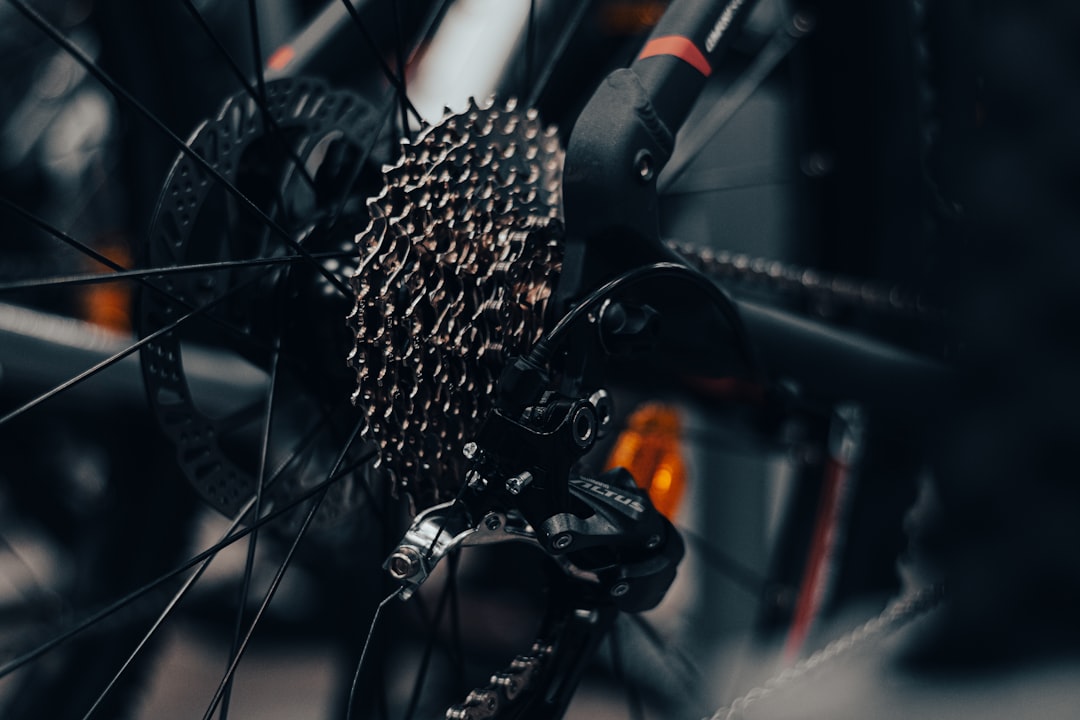
The Shimano 105 R7150 Di2 brings semi-wireless electronic shifting to a price point accessible for most serious age-group triathletes. It uses Shimano’s 12-speed cassette range (11-34T standard), hydraulic disc brakes, and the familiar Di2 shifting logic — press to shift, hold to chain-jump. The semi-wireless cockpit means no wiring from levers to derailleurs, but wired connections between front and rear derailleurs for reliable communication. It shifts as precisely as Ultegra Di2, costs significantly less, and is available at Tredz with finance options. For athletes upgrading from mechanical to electronic shifting for the first time, 105 Di2 represents exceptional value.
The full 105 Di2 R7150 groupset has sold out at Tredz; the Shimano ST-R7170 105 Di2 Hydraulic Disc STI Set is £199. Check price on Tredz
SRAM eTap AXS: The Wireless Alternative
SRAM Force eTap AXS and Rival eTap AXS are the two realistic options for triathlon bikes at the mid-to-premium tier. The fully wireless design makes installation on TT bikes significantly easier — no housing to route, no internal cable channels to navigate. The shifting logic is different from Shimano: right button shifts to harder gear, left shifts easier, press both to change chainring. Athletes coming from Shimano need time to adapt, but most find the system equally intuitive after a few rides. SRAM’s wider cassette range (10-36T available on Force) suits athletes with significant climbing in their race profile. Browse the full SRAM groupset range and comparison guide at Tredz to find the right tier for your budget.
Browse road groupsets on Tredz
Buying Tips
- Check your frame’s compatibility first. Many aero TT frames are specifically engineered around Shimano Di2 or SRAM eTap routing; fitting the wrong brand may require adapters or leave unsightly external cables.
- Don’t over-buy on groupset spec. Unless you’re competing at a high level, the performance difference between 105 Di2 and Ultegra Di2 is negligible. Spend the saving on aero wheels, which have a far greater impact on race pace.
- Consider buying a complete bike over a frameset with separately sourced groupset — manufacturers often include groupsets at near-cost pricing, making complete builds better value than DIY builds at equivalent spec.
Care and Maintenance
Both systems require the same basic care: keep the chain clean and lubricated, rinse the derailleurs after muddy or wet rides, and avoid high-pressure jet washing directly onto electronic components. For Di2, check battery charge monthly during active training. For eTap AXS, carry a spare battery set in your saddle bag on long rides — the derailleurs will warn you with a flashing LED when batteries drop below 25%.
This article contains affiliate links. If you purchase through these links, we may earn a small commission at no extra cost to you. This helps support The Triathlete.