Are Super Shoes Worth It for Triathletes on a Budget?
Carbon-plated “super shoes” like the new On Cloudboom Strike 2 routinely cost £200-£270 and wear out in 100-150 miles. For a triathlete already spending on a wetsuit, a bike, and race entries, that’s a genuine budget question — and the honest answer is: it depends on what you’re racing.
What a Super Shoe Actually Does
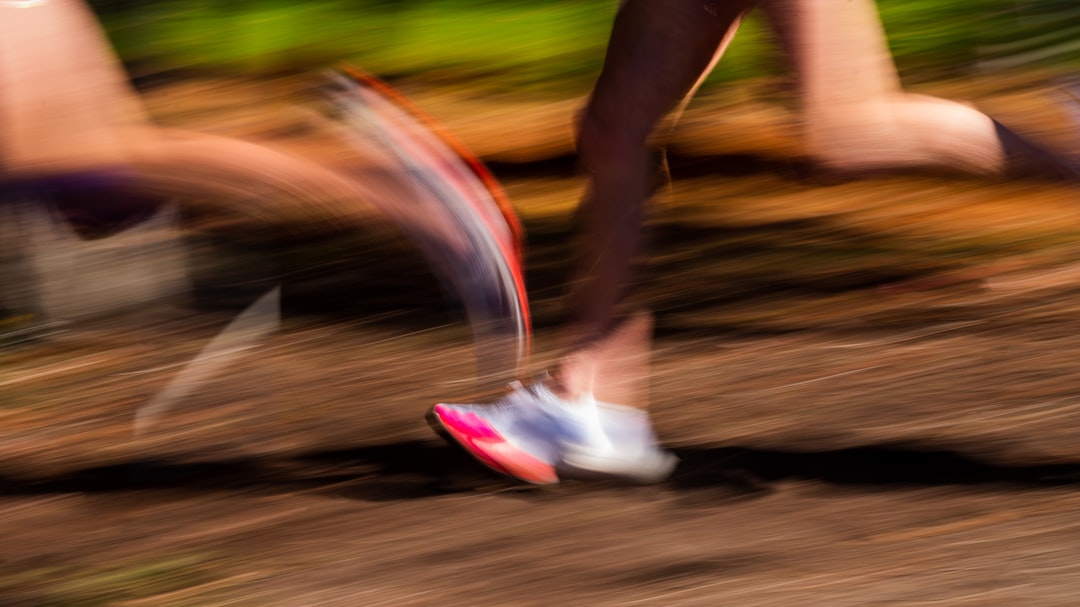
A curved carbon plate combined with a thick, resilient foam midsole (PEBA-based foams like those in the Cloudboom Strike 2, Nike’s ZoomX, or ASICS’ FF Blast Turbo) improves running economy — you use less energy to hold the same pace. Independent testing generally puts the benefit at somewhere between 2-4% versus a traditional trainer, though individual response varies significantly by running form and foot strike.
Where the Benefit Actually Shows Up for Triathletes
- Standalone running races (parkrun PBs, 10Ks, half and full marathons outside of triathlon season) — this is where super shoes give their clearest, most-tested benefit.
- The triathlon run leg, off tired legs — the evidence here is thinner. Some athletes find the extra cushioning helps on tired legs after the bike; others find an unfamiliar, more unstable plated shoe is a liability when running form is already compromised by fatigue.
- Short-course triathlon (sprint/Olympic) — the run leg is short enough that the pace-holding benefit may not fully materialise before the finish, especially if you haven’t trained in the shoe.
The Budget-Conscious Approach
- Buy one pair, save it for racing only. Training in a super shoe every day burns through its limited lifespan and doesn’t meaningfully improve your fitness — a durable daily trainer does that job better and cheaper.
- Buy last season’s model. Brands discount the previous generation heavily when a new plate shoe launches — you’ll often find a still-excellent super shoe at 30-40% off within a few months of a new release.
- Test before you commit to race day. Never wear a plated shoe for the first time in a race — the geometry and rocker feel different underfoot and can affect your calves and Achilles if you’re not adapted to it. Run at least 2-3 sessions in it beforehand, including one at race pace.
- Skip it if your run leg isn’t your limiter. If your bike or swim is costing you more time than your run split, that budget is better spent on a bike fit, a wetsuit upgrade, or simply more structured run training than on footwear.
The Verdict
For a dedicated long-course or standalone running race where you’ve already trained your run fitness, a super shoe is a reasonable, evidence-backed investment. For someone still building basic run fitness, or racing sprint-distance events where transitions and bike fitness dominate the result, that £200+ is better spent elsewhere in your kit bag.