Running in the Dark: Safety Tips and Gear for Triathlon Training
For most triathlon training schedules, some runs happen in the dark — early mornings before work or evenings after sunset. Running in low-light conditions requires a different approach to visibility, route planning, and kit. Here’s how to stay safe and confident when the sun isn’t out.
Be Seen: Visibility Gear
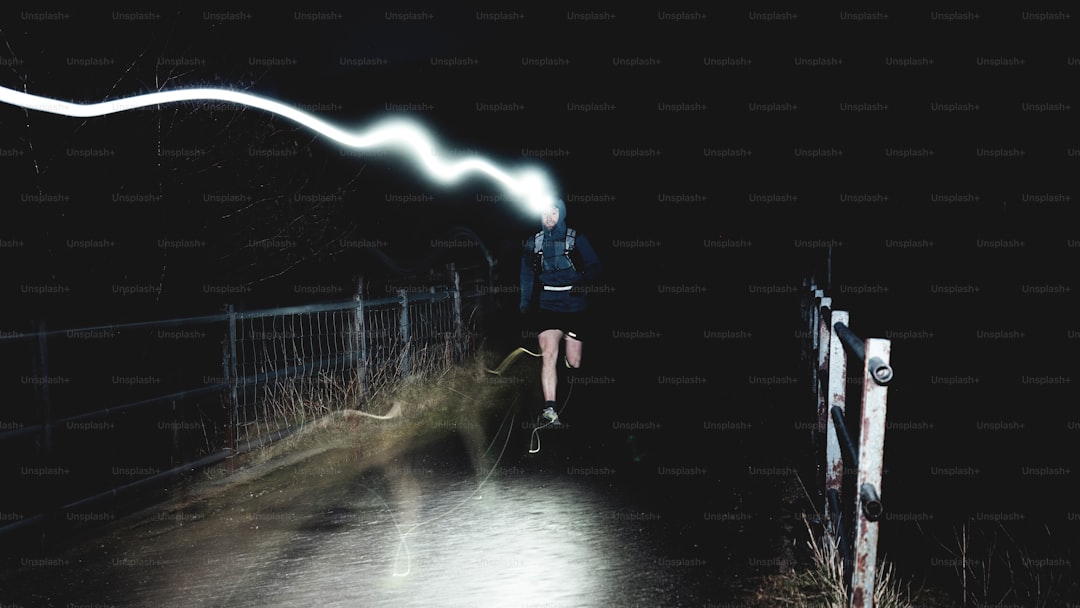
The most important rule when running in the dark: assume drivers can’t see you, and dress accordingly. At minimum, wear:
- Reflective running vest — 360-degree reflective strips make you visible from all angles. The Proviz REFLECT360 fully reflects headlight beams back to drivers; it’s the gold standard for UK road running safety
- Running head torch — illuminates the road ahead and signals your presence to oncoming traffic. The Petzl Actik Core (450 lumens) is the best all-round option for training runs
- Rear red LED clip — clip to your back or waistband. Cheap, lightweight, and massively increases your visibility from behind
Route Planning for Night Running
Stick to familiar routes in the dark — you want to know where the kerbs, potholes, and junctions are without thinking about them. Avoid poorly lit shortcuts through parks or woodland unless you have a high-powered head torch (400+ lumens). If you must use unlit paths, slow down and prioritise footing over pace.
- Run facing traffic where possible on roads without pavements
- Avoid wearing headphones at high volume — hearing approaching vehicles is critical after dark
- Share your route with someone before heading out, especially for evening runs over 30 minutes
- Pre-plan on Strava or Google Maps, noting any busy road crossings at peak traffic hours
Choosing a Running Head Torch
- Lumens: 200–300 for urban paths; 400+ for trails and unlit roads
- Beam type: Flood beam for close-range area; spot beam for seeing ahead. A combination mode works best for varied terrain
- Weight and bounce: Look for models under 100g with a dual-strap design that locks the torch against your forehead
- Rechargeability: USB-C rechargeable models (Petzl Actik Core, NAO RL) are more economical than disposable batteries for frequent training use
Mental Adjustment for Dark Running
Running in the dark often feels harder than the same pace in daylight — your perceived effort is higher because you’re processing more visual information and instinctively running more cautiously. Accept that pace will be slower in the dark initially. With consistent dark running, confidence builds quickly and your nighttime pace will naturally improve toward your daytime benchmarks.