How to Choose a Triathlon Wetsuit: The Complete Buyer’s Guide
Choosing your first triathlon wetsuit is one of the most important gear decisions you’ll make. The right suit adds buoyancy, warmth, and speed — the wrong one leaves you fighting the water and tensing your shoulders for the entire swim. Here’s everything you need to know before you buy.
Why You Need a Wetsuit
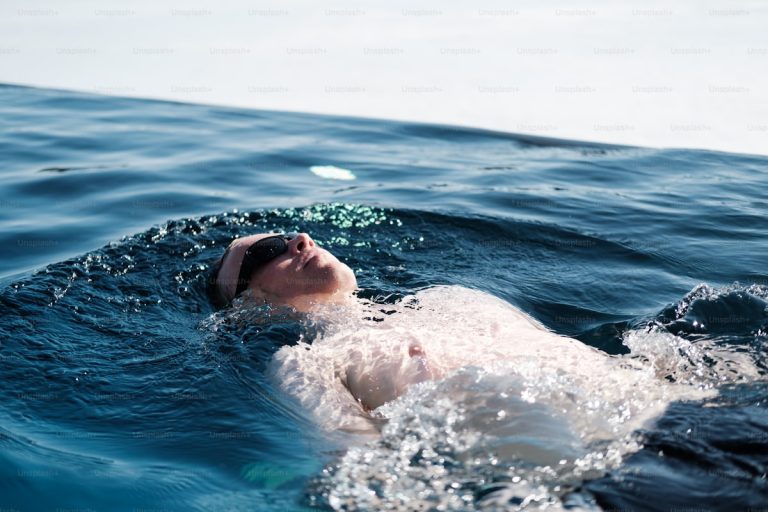
In UK open water, you’ll almost always be racing in wetsuit-legal conditions (water temperature below 22°C). Wetsuits provide three critical advantages: they lift your hips and legs to a more hydrodynamic position, they keep you warm in cold water, and they reduce drag by up to 8–10% compared to swimming in just a tri suit. For beginners, the buoyancy benefit alone can add 30+ seconds per kilometre.
Wetsuit Types Explained
- Full suits — Cover arms and legs. Maximum warmth and buoyancy. Standard choice for UK racing in spring and autumn when water is below 18°C.
- Sleeveless suits — Cover the torso and legs only. More shoulder freedom, less warmth. Better suited to swimmers with strong technique who don’t need arm buoyancy.
- Swimskins — Thin, non-buoyant suits legal when water is above 22°C. Not wetsuits — they provide hydrodynamic benefits without the insulation.
What the Neoprene Thickness Numbers Mean
Wetsuit thickness is measured in millimetres and varies across the suit. Thick neoprene (4–5mm) adds buoyancy and warmth in the core and legs. Thin neoprene (0.5–1.5mm) in the arms and shoulders allows freedom of movement without restricting your stroke. A “5/3” suit is 5mm in the body and 3mm in the extremities — the most common racing specification. High-end suits like the Zone3 Vanquish-X use up to 11 different thickness zones to optimise every panel independently.
How to Get the Right Fit
- Cross-reference your height and weight with the manufacturer’s size chart — different brands fit differently.
- A wetsuit should feel tight out of the water. You’ll lose about 10–15% of that compression when swimming — if it’s loose dry, it’ll be a water-filled bag wet.
- Check for air pockets in the shoulders and lower back when you’re zipped up — these cause drag and reduce buoyancy.
- You should be able to rotate your arms comfortably in full circles without the suit restricting your shoulder. If it restricts your stroke, it’s too small or the wrong design for your build.
Budget Guide
Entry-level (£150–£250): Suits like the Zone3 Vision or Orca Athlex Float provide solid buoyancy and warmth for beginners and first-season athletes. Mid-range (£300–£450): The sweet spot for most triathletes — better neoprene, more thickness zoning, faster lining. The Orca Athlex Flow sits here. Premium (£500+): Elite-level suits like the Zone3 Vanquish-X and Orca Apex Flow used by competitive age-groupers and professionals. Thinner arm panels, superior lining, and Yamamoto-grade neoprene.
Our Top Recommendation
For most triathletes starting out, the Zone3 Vision or Orca Athlex Float offers excellent value. If you’re serious about performance and race regularly, step up to the Zone3 Vanquish-X — it’s one of the most technically advanced suits available and is priced competitively for what it delivers. Read our full Zone3 Vanquish-X review for detailed performance analysis.