Yoga for Triathletes: A Complete Flexibility and Recovery Guide
Of all the cross-training tools available to triathletes, yoga may be the most underused and the most immediately impactful. A regular yoga practice addresses three of the biggest physical limiters in triathlon: restricted shoulder mobility from swimming, chronically tight hip flexors from cycling and shortened hamstrings and calves from running. Better still, it can be done at home, requires no equipment and doubles as an active recovery session on rest days.
Why Triathletes Need Yoga
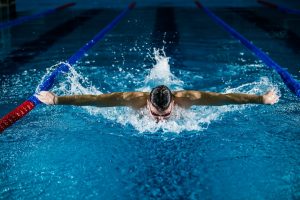
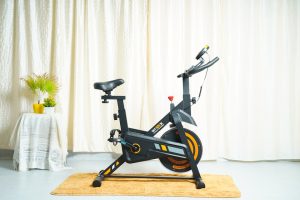
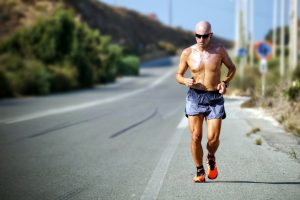
The triathlon training load creates predictable patterns of tightness and imbalance. Hours in a low aero position on the bike shortens the hip flexors, compresses the lumbar spine and rounds the shoulders. Swimming repetitively loads the rotator cuff without adequate opposing strength. Running multiplies impact forces through tight calves, hamstrings and IT bands. Over a full season, these imbalances accumulate — and they show up as injury, poor posture and lost performance.
Yoga directly targets every one of these patterns. A consistent practice of two sessions per week — even 30 minutes each — has been shown to reduce injury rates, improve sleep quality and increase range of motion at the hip, shoulder and thoracic spine. For triathletes who skip stretching because it feels unproductive, yoga provides both the structure and the accountability to actually do it.
Key Poses for Swimmers
- Eagle Arms (Garudasana Arms) — stretches the posterior shoulder capsule and rhomboids, counteracting the internal rotation pattern from high-volume freestyle swimming.
- Thread the Needle — lying on your back, this pose opens the thoracic spine and external shoulder rotators essential for a high-elbow catch.
- Doorframe Chest Stretch — not strictly yoga but a complementary stretch: holds the pectoral muscles open after heavy pull sets.
Key Poses for Cyclists
- Pigeon Pose (Eka Pada Rajakapotasana) — the single most effective stretch for hip external rotators after long bike sessions. Hold for 90 seconds each side.
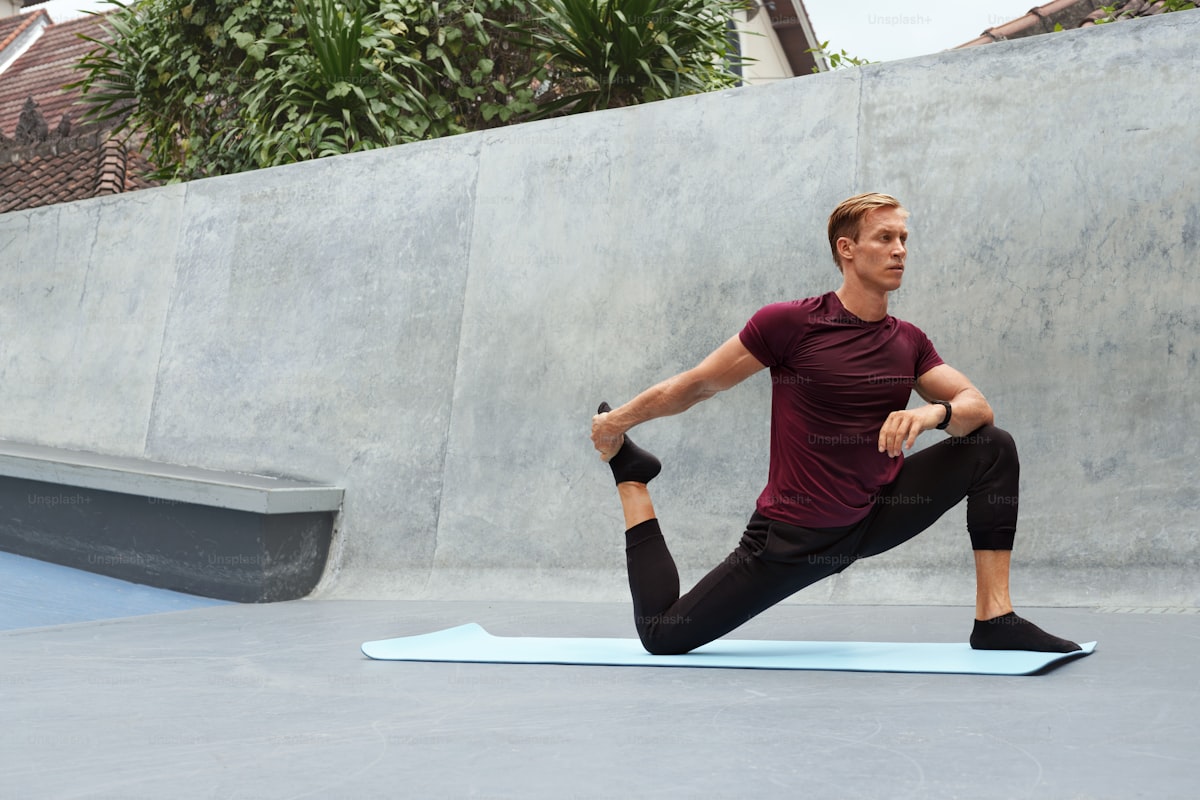
- Low Lunge (Anjaneyasana) — directly targets the hip flexors and psoas, which shorten significantly during extended time in the saddle.
- Seated Spinal Twist — decompresses the lumbar spine and restores rotation lost in the fixed cycling position.
Key Poses for Runners
- Pyramid Pose (Parsvottanasana) — an intense hamstring lengthener that is particularly effective for reducing injury risk on brick run sessions.
- Reclined Figure Four — targets the glutes, piriformis and IT band, the three structures most commonly involved in runner’s knee and hip pain in triathletes.
- Standing Calf Stretch — simple but critical: Achilles tendinopathy is one of the most common triathlon injuries, and consistent calf stretching is the best prevention.
How to Add Yoga to Your Training Week
The ideal schedule for most triathletes is two yoga sessions per week: one after a hard brick or long run, and one on a full rest day as active recovery. Aim for 30-45 minutes. Yin yoga — long, passive holds of 2-5 minutes — is best suited to recovery days as it targets deep connective tissue. Vinyasa yoga (flowing movement-based practice) is better for days when you want to keep blood moving without taxing the cardiovascular system heavily.
For free resources, Yoga with Adriene on YouTube is an excellent starting point — her 30-day challenges and sport-specific routines are particularly popular among triathletes. DownDog and Glo are paid apps offering structured yoga programmes that can be synced alongside your training plan.