How to Pace Your First Triathlon: Swim, Bike and Run Strategy
Why Pacing Is the Most Important Skill in Triathlon
More first-time triathletes blow up on the run than for any other reason — not because they are unfit, but because they went too hard on the swim and bike. Pacing is the single most important skill you can develop as a triathlete, and it is entirely learnable before race day. This guide covers how to approach each discipline so you cross the finish line feeling strong rather than shuffling home in survival mode.
The Golden Rule: Negative Split Your Effort
A negative split means finishing the second half of any segment faster than the first. It feels almost impossibly conservative at the start of a race when adrenaline is high and other athletes are charging off — but it is the strategy used by every elite triathlete and is almost universally the fastest approach for age-groupers too. Your goal on race day is to feel like you have something left at every transition, not to arrive at T1 or T2 gasping.
How to Pace the Swim
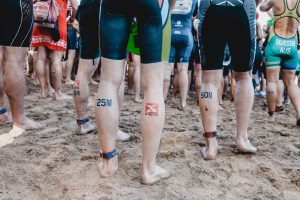
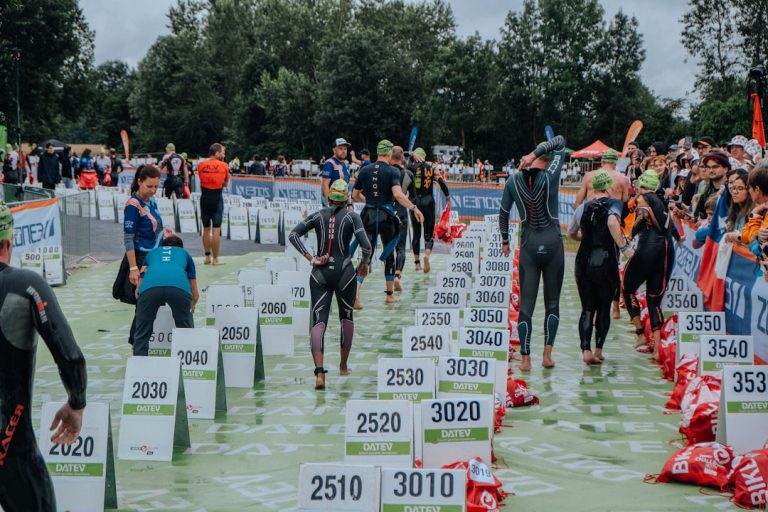
The swim is the shortest segment but carries the highest early-race excitement risk. The mass start or wave start creates a surge of energy that can tempt you into sprinting off the line. Instead, seed yourself in a position that matches your ability — do not start right at the front — and focus on smooth, controlled strokes. Aim for a rate of perceived exertion (RPE) of 6/10 for a sprint, 5/10 for an Olympic distance. If you arrive at T1 with your breathing under control, you have got the swim right.
How to Pace the Bike
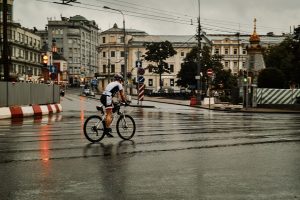
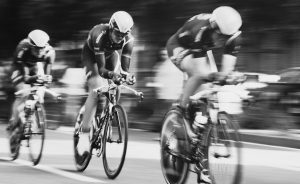
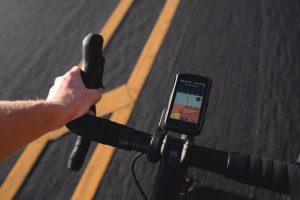
The bike is where most triathletes over-cook the effort. The first few kilometres out of T1 feel easy because your legs are fresh, but any extra watts you spend on the bike will come back to haunt you on the run. For a sprint triathlon, ride at around 80-85% of your threshold effort. For Olympic distance, drop to 75-80%. If you use a power meter, target 75-80% of your FTP for Olympic, 80-85% for sprint. If you do not have power, use effort: if you cannot hold a conversation in short sentences, you are going too hard.
- Sprint tri bike target: RPE 7-8/10, or 80-85% FTP if using power
- Olympic tri bike target: RPE 6-7/10, or 75-80% FTP
- 70.3 bike target: RPE 6/10, approximately 70-75% FTP
- Avoid surging over hills — keep effort even, not speed even
How to Pace the Run
The run is where your pacing discipline pays off — or where the chickens come home to roost. Start the run 10-15% slower than your standalone run pace for the same distance. Your legs will feel heavy coming off the bike (this is normal), but they will loosen up after 1-2km. Resist every urge to speed up in the first kilometre. Once you are through the first kilometre feeling controlled, you can gradually build effort in the final third of the run.
Using RPE When You Have No Data
If you do not have a GPS watch, heart rate monitor or power meter, rate of perceived exertion (RPE) on a 1-10 scale is a reliable pacing tool. For your first triathlon, a simple rule of thumb: swim at 6/10, bike at 7/10, start the run at 7/10 and build to 8-9/10 in the final push. You should never feel like you are giving 10/10 effort until the final 500 metres of the run.
Race Day Pacing Checklist
- Seed yourself at the right position in the swim start — do not go to the front if you are a slower swimmer
- Do not sprint the first 200m of the swim regardless of what others do
- Ride the first 5km of the bike 10% easier than target pace while your heart rate settles
- Walk the first 30 seconds out of T2 if needed — this does not cost you time overall
- Run the first kilometre slower than you think you should — every time
- Save your fastest effort for the final 1km of the run, not the first