Triathlon Transition Tips: How to Master T1 and T2
Why Transitions Matter More Than You Think
In triathlon, transition is sometimes called the “fourth discipline” — and for good reason. A slow, disorganised transition can cost you 2–3 minutes that weeks of training can’t recover. A fast, practised transition can be the difference between a new PB and missing your goal. The good news is that transition speed is almost entirely a skill, not a fitness quality — which means anyone can get faster with the right preparation.
T1 Explained: Swim to Bike
T1 begins the moment you exit the water and ends when you cross the mount line on your bike. Your goal is to strip your wetsuit, put on your helmet, attach your shoes and leave the transition area as quickly as possible. Here’s how to structure a fast T1:
- Wetsuit off fast — Start unzipping your wetsuit in the final 50m of the swim. As you stand at the water’s edge, pull the zip fully down and strip to your waist while walking or jogging to your rack. Practise this in training — it’s harder than it sounds when your fingers are cold.
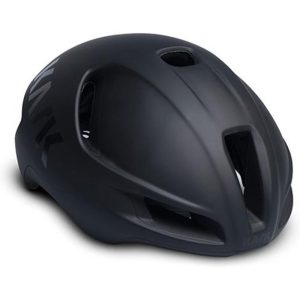
- Helmet on first — Race rules require your helmet to be fastened before you touch your bike. Make this automatic — helmet first, always, before anything else.
- Rack setup matters — Lay your kit out in a consistent order every time. Helmet open and facing you, goggles inside, shoes unclipped from pedals or already on the floor next to the bike.
- Leave the run kit behind — Keep T1 as minimal as possible. Running shoes, race belt and nutrition go in T2, not here.
T2 Explained: Bike to Run
T2 is generally faster than T1 because you’re drier and more alert. You arrive on your bike, rack it, swap shoes, clip on your race number belt and go. A few key habits make a big difference:
- Dismount before the line — Crossing the dismount line on your bike is an automatic time penalty. Practise unclipping 50–100m before the line and running in while holding the bike.
- Elastic laces — Elastic laces mean you can slip your running shoes on in seconds without tying anything. Worth every penny for a faster T2.
- Race belt — Wear your race number on a clip belt, not pinned to your top. Clip it on during T2 rather than wrestling with pins in T1.
- Nutrition at T2 — If you need gels for the run, pre-load them in a pocket or elastic band on your race belt so you don’t have to hunt for them.
How to Practise Transitions
The single most effective way to improve your transitions is to practise them in training. Set up a mock transition area in your garden or a car park and run through the full T1 and T2 sequence at least twice before your first race. Time yourself. Identify where you’re losing seconds. Common culprits are wetsuit ankles that snag, fumbled helmet clips and shoes with too many fastenings. Solve them before race day — not during it.
Race Day Transition Checklist
- Arrive early to set up your rack and walk the transition area both ways — in from the swim and out to the bike exit.
- Memorise your rack location using a visual landmark — row numbers are easy to miss when you’re mid-race.
- Check your bike’s tyre pressure, gears and computer the morning of the race.
- Leave nothing to chance — if you need it in the race, it’s already in your transition bag.