Common Triathlon Mistakes to Avoid (And How to Fix Them)
Most triathlon mistakes are entirely avoidable — and most are made by athletes who are experienced enough to know better. Whether you are lining up for your first sprint or your tenth Ironman, these are the errors most likely to cost you time and enjoyment.
1. Going Out Too Hard in the Swim
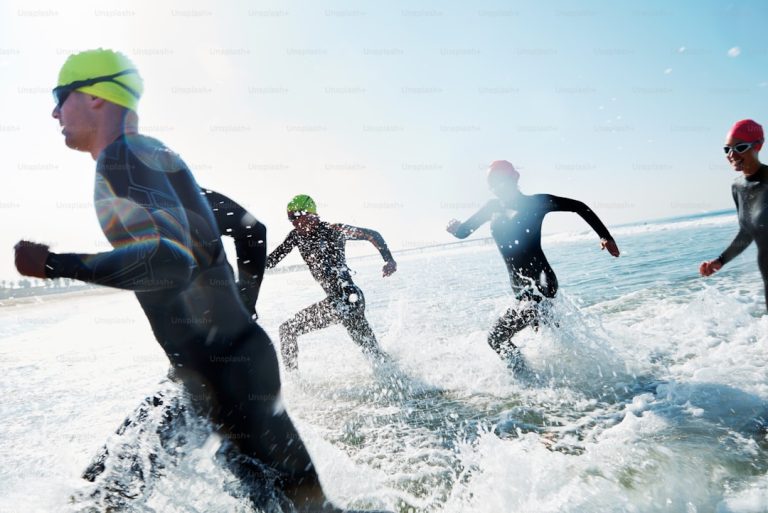
The swim start is chaotic and your adrenaline will be sky-high. Most athletes swim significantly faster than their training pace in the first 200 metres, burn through their anaerobic system, and pay for it across the rest of the swim and into the bike. Seed yourself honestly and focus on settling into your rhythm within the first 50 metres.
2. Neglecting Transition Practice
Transition is sometimes called “the fourth discipline” for a reason. Two minutes saved in T1 and T2 across a race can be the difference between podium positions. Yet most athletes never practise transitions in training. Walk through your transition sequence at least twice before race week — ideally in the kit you will actually race in.
3. Overcooking the Bike
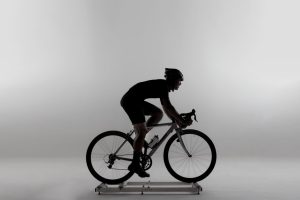
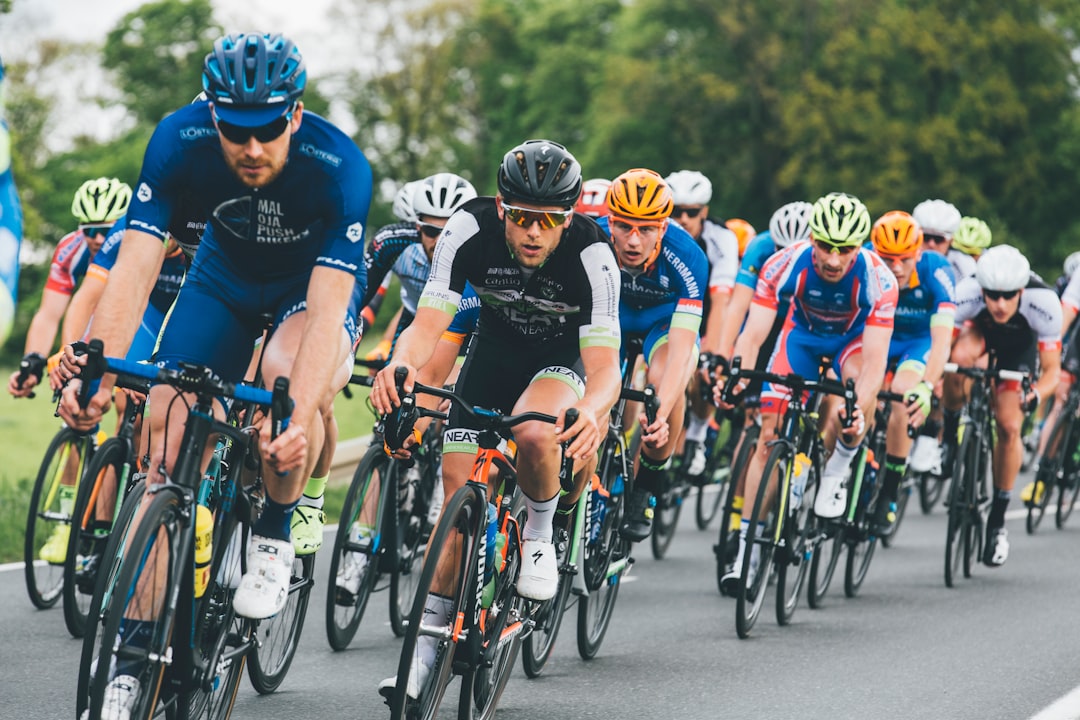
In triathlon, you race the run — not the bike. The bike is where you store energy for the run. If you push above your sustainable power on the bike, your legs will remind you emphatically during the run. Ride at around 70-75% of your FTP for Olympic distance, 65-70% for 70.3. Use a power meter or perceived effort to keep honest.
4. Poor Race Day Nutrition
Failing to fuel consistently on the bike is one of the most common reasons athletes struggle on the run. Aim for 60-90g of carbohydrate per hour on the bike for races over 90 minutes. Start fuelling early — within 15-20 minutes of the bike start — not when you start to feel hungry, which is already too late.
5. Wearing New Kit on Race Day
Race day is not the time to debut your new wetsuit, tri suit, or running shoes. Every item of race kit should have been used in at least two or three training sessions beforehand. Chafing, blisters, and pressure points that are minor annoyances in training become race-ending problems over a 10km run.
6. Skipping the Warm-Up
Even a 5-minute easy jog and some dynamic stretches can meaningfully reduce the shock to your cardiovascular system when the gun goes off. For open water events, a short swim warm-up to acclimatise to the water temperature is invaluable. Where the event allows it, always warm up.