Why Challenge Roth Is Triathlon’s Greatest Race
Challenge Roth on 5 July 2026 will attract roughly 5,000 athletes and more than 300,000 spectators to a small Bavarian town that — by any objective measure — should not be able to generate this level of sporting theatre. Yet it does, year after year, and the athletes who race there remember it differently from every other long-distance triathlon on the calendar. Here is why.
The Numbers That Set Roth Apart
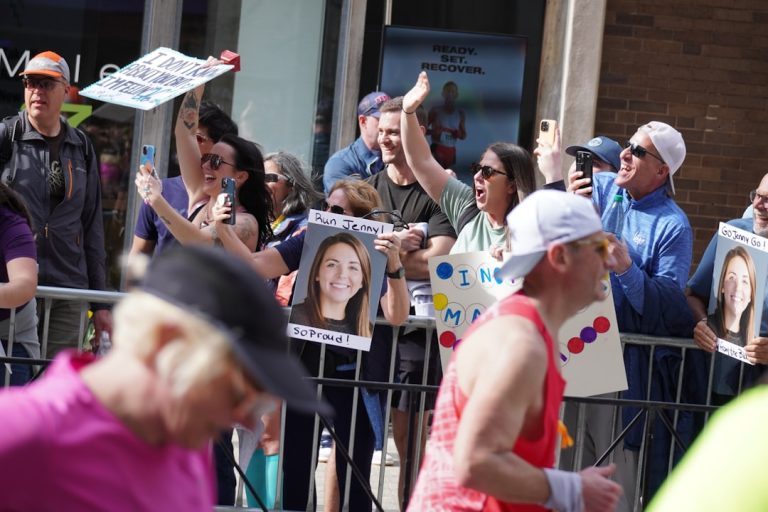
Start with the scale. Roth draws an entry list that fills in seconds — the registration for each year’s event routinely sells out in under ten minutes, making qualification a goal in itself for many European age-groupers. The volunteer count (approximately 7,500) exceeds many race’s entire athlete field. And 300,000+ spectators lining a course in rural Bavaria is not a rounding error — it is simply what Roth produces, every single time.
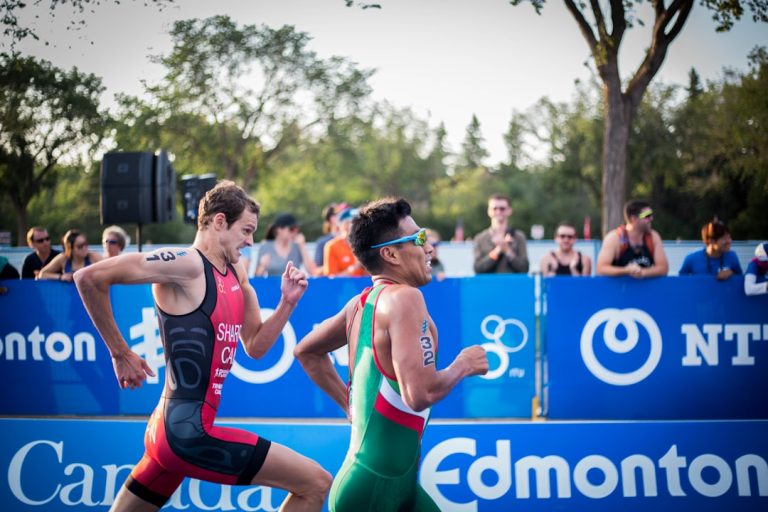
The course record context matters too. Jan Frodeno set a world-best time of 7:35:39 at Roth — a mark that stood for several years and is still among the fastest ever recorded on a long-distance triathlon course. Roth runs fast, and it runs honest: there are no significant altitude benefits, the swim is flat, and the course records stand as genuine athletic markers rather than statistical flukes.
Solarer Berg: The Loudest Kilometre in Triathlon
The Roth bike course includes a 1km climb called Solarer Berg — a gradient that would not merit special mention on any other course. At Roth, it is something else entirely. On race day, tens of thousands of spectators pack both sides of the road for the full kilometre of climbing. The noise is continuous from the moment you turn onto the approach until you crest the summit. Athletes — including those who race internationally at the highest level — regularly describe it as the loudest, most energising moment of their season. Compare it to the Tour de France climbing sections at Alpe d’Huez or La Planche des Belles Filles: the energy is similar, but you are the rider, not a spectator watching professionals.
The Finish Is a Stadium
Long-distance triathlon finishes are normally road crossings: a timing mat, an arch, a bag of food, and a foil blanket. The Roth finish is a stadium. You run down a ramp into an enclosed arena with more than 10,000 seated spectators, lighting, and a sound system. The transition from open road to roofed stadium is jarring in the best possible way — athletes who have raced eight, nine, ten hours suddenly have the kind of finish environment normally reserved for track and field championships. Many athletes report that the finish at Roth is the moment they understood why triathlon matters.
The Village Town That Makes It Work
The town of Roth itself is integral. Residents decorate their homes, businesses turn race weekend into a community festival, and the prevailing sense is that the whole town has decided triathlon matters here. That civic ownership of the race — absent in most city-based events where organisers fight for road closures and residents treat the event as an inconvenience — creates an atmosphere qualitatively different from anything you will experience at most major triathlons.
Should You Race Roth?
Registration is the barrier: places go in minutes and waiting list spots are coveted. But if you can get in — or target a future year — racing Roth once should be on every long-distance triathlete’s list. It will not make you faster. It will not refine your race strategy. It will, in all likelihood, make you understand something about what this sport is for that no other race delivers quite as clearly. The 2026 pro field features Sam Laidlow, Lucy Charles-Barclay, and many of the world’s top long-course professionals. See our full pro field preview and spectator guide for more.