Ironman Race Week: Your Final 7 Days Plan
Race week is not for building fitness. Everything you will do on race day was built in the weeks and months before this point. The job now is to arrive at the start line rested, fuelled, mentally settled, and physically primed. Athletes who manage race week well consistently outperform their training data; athletes who overtrain, under-sleep, or over-stress their logistics arrive compromised before they have swum a stroke.
Day-by-Day Guide: Final 7 Days
7 Days Out (Monday)
Final quality session if your plan includes one: short, specific, not long. Some athletes do a final FTP interval set (2×20 minutes at threshold); others prefer a comfortable 60–90 minute ride with a few race-effort accelerations to confirm the legs are responding. Keep the swim short (1,500–2,000m) and technique-focused. Pack and check your race kit this evening — identify anything missing before shops close for the week.
6 Days Out (Tuesday)
Full rest day or a very easy 20-minute swim for circulation. Begin building carbohydrate intake: increase rice, pasta, bread, and potato portions at each meal. Hydrate deliberately throughout the day. Arrange travel logistics (accommodation, airport transfers, race-day transport to T1) if they are not already confirmed.
5 Days Out (Wednesday)
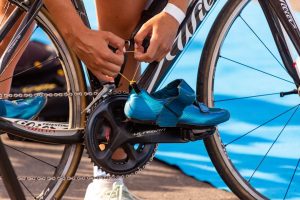
Easy 45-minute ride and/or 30-minute swim. Both should feel effortless — the goal is blood flow and routine, not training stimulus. Check your bike mechanically: brakes, gears, tyre pressure, chain lubrication. If you are travelling with your bike, begin packing it. Confirm your race check-in and briefing schedule.
4 Days Out (Thursday)
Rest day. Focus on sleep — this is the most important night for quality sleep in race week, as pre-race nerves tend to disrupt the final two nights. Prepare your race nutrition strategy: calculate how many gels, bars, and drinks you need per hour, where on the course you will take them, and pack your transition bags.
3 Days Out (Friday)
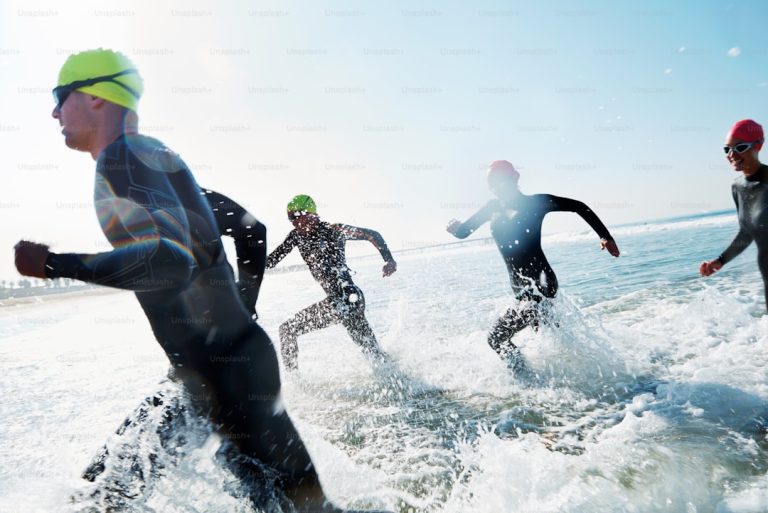
Travel day for most athletes. If you are driving or flying to the race venue, this is typically the day. On arrival: athlete check-in, race briefing (mandatory at most Ironman and British Triathlon events — attend without exception), and bike racking if required. Walk the transition areas. A short, easy open water swim if available at the venue will familiarise you with the conditions and wash out travel fatigue.
2 Days Out (Saturday)
Race-morning simulation. 20-minute easy ride to check the bike after travel and racking. 10-minute easy run to confirm your legs feel normal. 800m easy swim if an open water swim session is available. Eat your planned race-morning breakfast as a rehearsal to confirm no GI issues. Prepare your morning bag, transition bags (if separate from the day before), and race nutrition. In bed by 9pm if possible.
Race Day (Sunday)
Breakfast 3–4 hours before the swim start: carbohydrates you have eaten before in training (never new food on race morning). Hydrate with 500–750ml of water or electrolyte drink in the two hours before the swim. Arrive at transition with time to rack nutrition, pump tyres, and warm up without rushing. The start line is just the beginning of a day you have already prepared for completely.
Race Week Principles
- Sleep is the priority above all else — poor sleep in race week has a measurable impact on endurance performance; protect it above training, logistics, and social commitments
- Carbohydrate load from 3 days out — not a single enormous pasta dinner, but consistently elevated carbohydrate across three days of normal training volume
- Avoid new food, new supplements, new anything — race week is not the time to experiment; stick entirely to what you have used in training
- Reduce training but do not eliminate it — complete rest for more than two days before an Ironman leaves legs feeling sluggish; short, easy sessions maintain neuromuscular readiness without adding fatigue