How to Analyse Your First Race Performance
Crossing your first triathlon finish line is an incredible feeling. But once the euphoria settles, your race data holds a goldmine of insight for future improvement. Knowing how to review your performance objectively — what went well, where time was lost, and what to work on next — turns a single race into a powerful learning experience.
Collect Your Data First
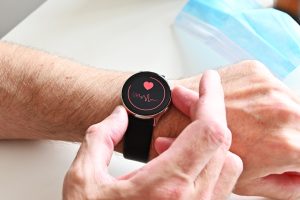
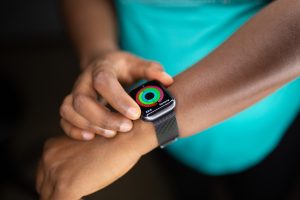
Before doing any analysis, gather everything you can from the race: your official split times (swim, T1, bike, T2, run), your GPS file if you wore a watch, and your position in overall standings, age group, and by individual split. Most triathlon results pages — British Triathlon, IRONMAN, OpenTrack — break down each split separately. Download them and put them in a spreadsheet.
Review Each Discipline Separately
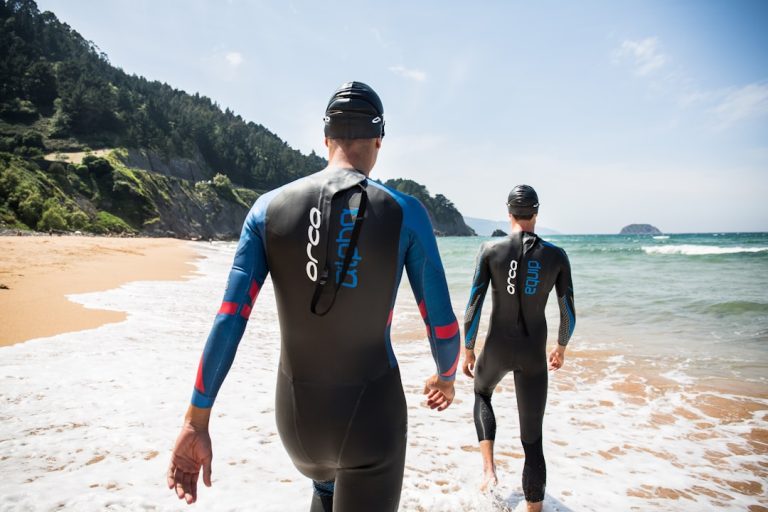
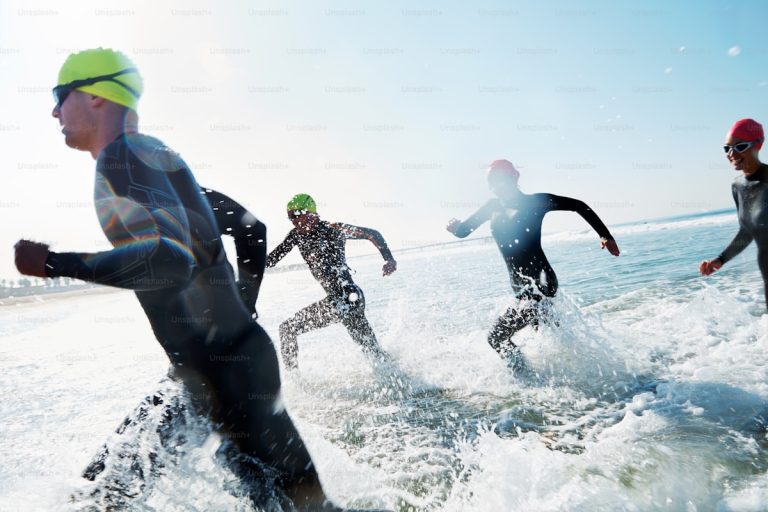
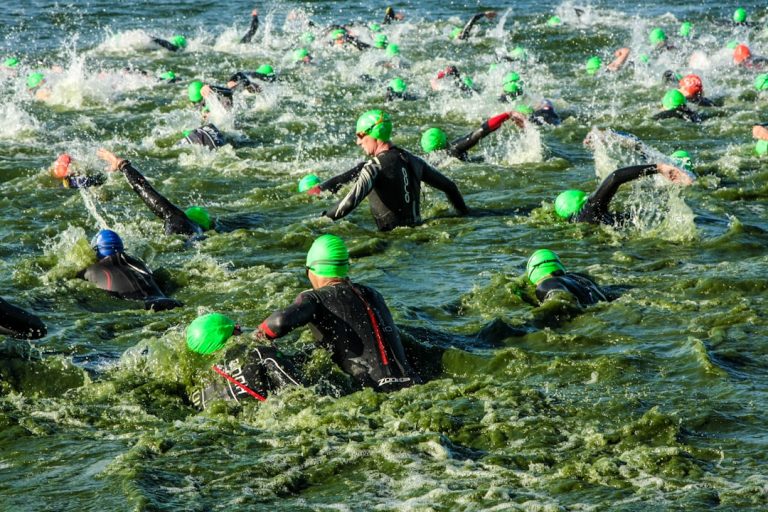
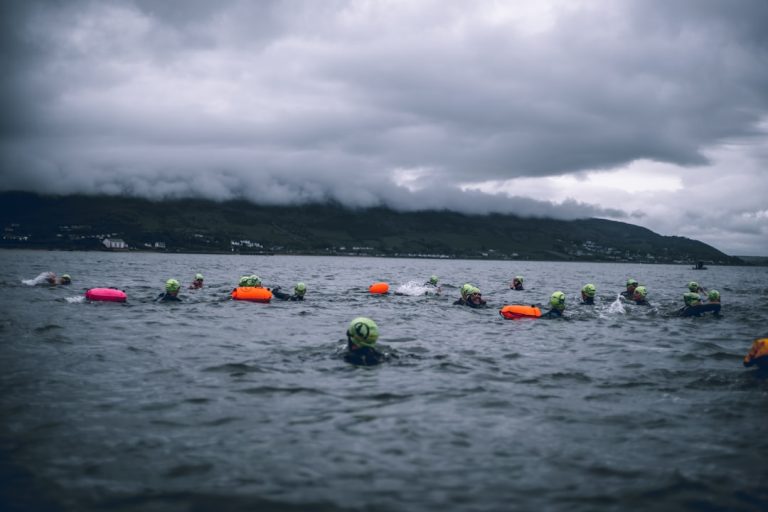
Swim: How did your time compare to your training pace? A swim that feels moderate often ends up slow in open water due to navigation errors, congestion, and cold water. If you lost significant time here, open water-specific training — sighting, buoy turns, wetsuit practice — should become a priority.
T1 and T2: Most beginners lose 30-90 seconds per transition compared to experienced athletes. Were you organised? Did you know exactly where your bike was racked? Practising your transition routine even once before race day can save meaningful time.
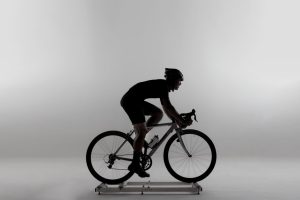
Bike: Look at your average power or heart rate versus your training benchmarks. Did you start too hard and fade? The bike sets up your run — if your bike RPE was consistently above 8, your run will suffer significantly.
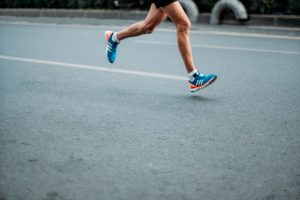
Run: How did your pace compare to your training runs of similar distance? Most beginners run their triathlon run 20-30% slower than standalone training runs — this is normal. Greater than 40% slowdown typically suggests you went too hard on the bike.
Identify the Biggest Time Gains Available
Rank your split times against your age group. Where are you losing the most relative time? That discipline should become your primary training focus. For most new triathletes, the biggest gains come from transitions (quickest return for time invested), the swim (often undertrained), and pacing strategy on the bike.
Set Three Specific Goals for Your Next Race
Based on your analysis, identify three concrete improvements: one execution change (e.g., practise T1 three times before next race), one training focus (e.g., complete two open water swims per month), and one pacing target (e.g., keep bike RPE below 7 for the first half). The athletes who improve fastest are those who race with intention and review with honesty.