Pedal-Based vs Crank-Based Power Meters: Which Should Triathletes Choose?
Once you’ve decided to train and race with power, the next question is where to put the sensor. Power meters broadly split into two families — pedal-based and crank-based — and for triathletes specifically, the choice comes with a few wrinkles that don’t apply to pure road cyclists.
Pedal-Based Power Meters
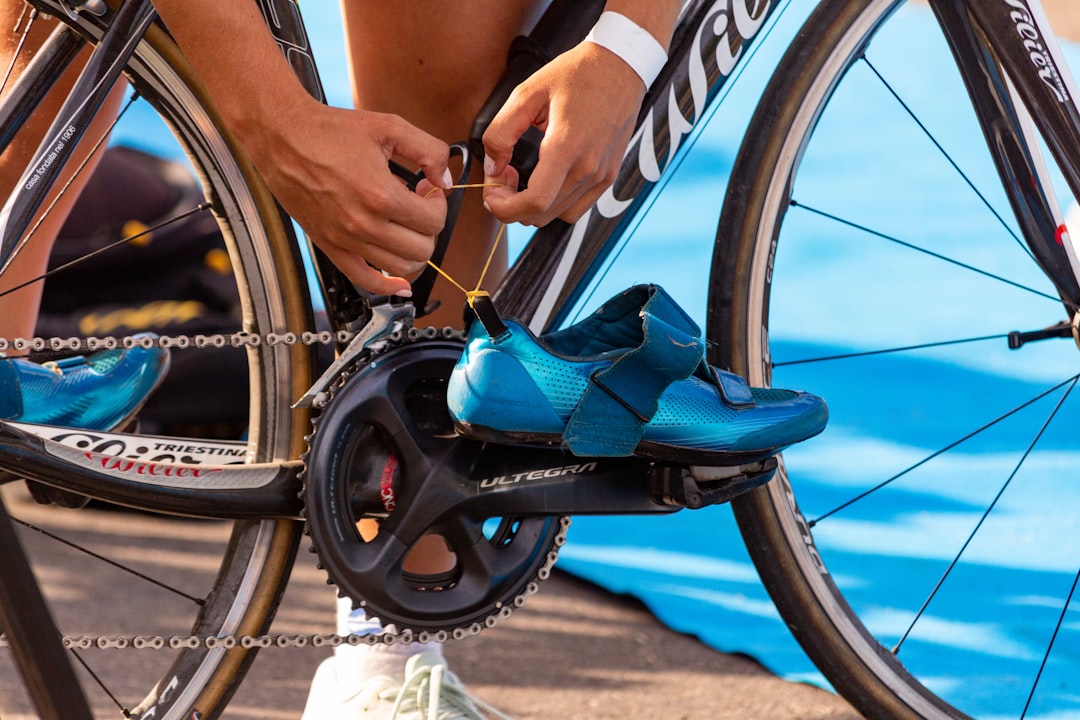
Pedal-based systems — Garmin’s Rally range, Favero’s Assioma Duo, and Wahoo’s POWRLINK Zero among them — measure force at the pedal spindle. The single biggest advantage for triathletes is portability: unscrewing a pedal and moving it to another bike takes minutes with a pedal wrench and no bike shop visit, which matters if you own both a road bike and a dedicated TT/tri bike and want consistent power data across both. Installation is also genuinely simple — most riders can fit these themselves at home.
The trade-offs: pedal bodies add a small amount of stack height and can feel marginally different underfoot compared to your usual pedal, and dual-sided models (measuring both legs independently) cost meaningfully more than single-sided ones.
Crank-Based Power Meters
Crank-based systems — Quarq, SRAM’s Rival AXS power meter crankset, Stages, and 4iiii — measure force either at the spider (between the crank arm and chainring) or on the crank arm itself. These tend to sit closer to the bike’s natural stiffness path, which some riders feel gives a more “invisible” ride feel, and spider-based units capture both legs’ combined power without the cost premium of a true dual-sided pedal system.
The catch is swapping bikes: moving a crank-based power meter between two bikes generally means a full crankset swap, which is a proper mechanical job rather than a five-minute pedal change — not something most triathletes want to do between a road ride and a TT session. If you only ever ride one bike, this is far less of an issue.
Accuracy: Not Much of a Deciding Factor
Both formats from reputable manufacturers typically claim accuracy within around ±1-2%, which in practice is close enough that accuracy alone shouldn’t be your deciding factor. What matters more day-to-day is consistency — sticking with one power meter for a training block so your numbers are comparable week to week, rather than chasing marginal accuracy differences between formats.
Which Should You Choose?
- You own two bikes and want one power meter across both — pedal-based, for the easy swap.
- You only ride one bike and want the cleanest possible setup — crank-based is worth considering, especially if you’re already replacing a crankset.
- Budget is the main constraint — single-sided pedal or crank arm options are cheaper than dual-sided systems and still give you a reliable training number, even if left/right balance data isn’t available.
- You want left/right power balance data — you’ll need a dual-sided system, whichever format you pick.
See our best power meters for triathlon roundup for specific model recommendations across both formats, and our best power meter pedals guide if you’ve already decided pedal-based is the right fit.