How to Train for Your First Duathlon: A Complete Beginner’s Guide
A duathlon — run, bike, run — is one of the most accessible multisport events you can enter. With no swimming required, it’s a natural stepping stone for runners and cyclists who want to try multisport racing without the open water nerves. The UK duathlon season typically kicks off in spring, with events like the Oulton Park British Duathlon Championships drawing hundreds of competitors each year. Here’s how to train for your first one.
What Is a Duathlon?
A standard duathlon consists of a 5km run, 20km bike leg, and a final 2.5km run — though distances vary by event. Sprint formats go shorter (2.5km/10km/2.5km), while long-course events can involve runs of 10km+ and bike legs of 60km. The format demands athletes who can run on fatigued legs after a hard bike effort, making the run-to-bike transition and the final run leg particularly challenging.
How Long to Train
For a sprint duathlon, eight weeks of structured training is plenty if you’re already running and cycling regularly. For a standard-distance event, aim for 10 to 12 weeks. If you’re starting from scratch, build a base of 4 to 6 weeks of consistent running and cycling before beginning structured training.
A Sample Weekly Training Structure
- Monday: Rest or easy 20-minute walk/stretch
- Tuesday: Run — 30 to 40 minutes at easy pace, building to include 10 minutes at tempo
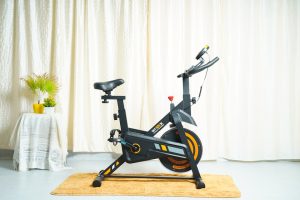
- Wednesday: Bike — 45 to 60 minutes on turbo trainer or road, steady effort
- Thursday: Run — short and fast: 4 x 5 minutes at hard effort, 2 minutes easy recovery
- Friday: Rest or yoga/stretching
- Saturday: Brick session — 30 to 45 minutes cycling followed immediately by 15 to 20 minutes running
- Sunday: Long easy run — 45 to 60 minutes at conversational pace
Why Brick Sessions Matter
The biggest challenge in a duathlon is the second run. Your legs will feel heavy and your running gait will feel strange after a sustained bike effort. Brick sessions — where you cycle and then immediately run — train your body to make this adaptation. Aim to include at least one brick session per week in your final four weeks of training. The discomfort gets better with practice.
Transition Practice
Duathlon transitions are faster than triathlon T1 because you don’t need to change out of a wetsuit. Still, practising clipping in and out of cycling shoes, racking your bike cleanly, and switching from running shoes to cycling shoes (or vice versa) can save you valuable seconds on race day. Set up a mock transition in your garden or garage and rehearse it a few times.
Race Day Tips for First-Timers
- Start the first run conservatively — going out too hard will destroy your second run
- Eat and drink on the bike; don’t wait until you feel hungry
- Warm up your legs before the race with a 10-minute easy jog
- Practice your transitions in the week before race day
- Choose a race with a flat bike course for your first event — hills add a whole extra layer of complexity
- Check the British Triathlon event finder for local duathlon races near you
Duathlons are a brilliant introduction to multisport racing. The format rewards consistency and pacing skill over raw speed, which makes it ideal for beginners. Sign up, train smart, and enjoy the experience.