
Hilly Road Ride: Climbing Preparation for Triathlon
Session Overview
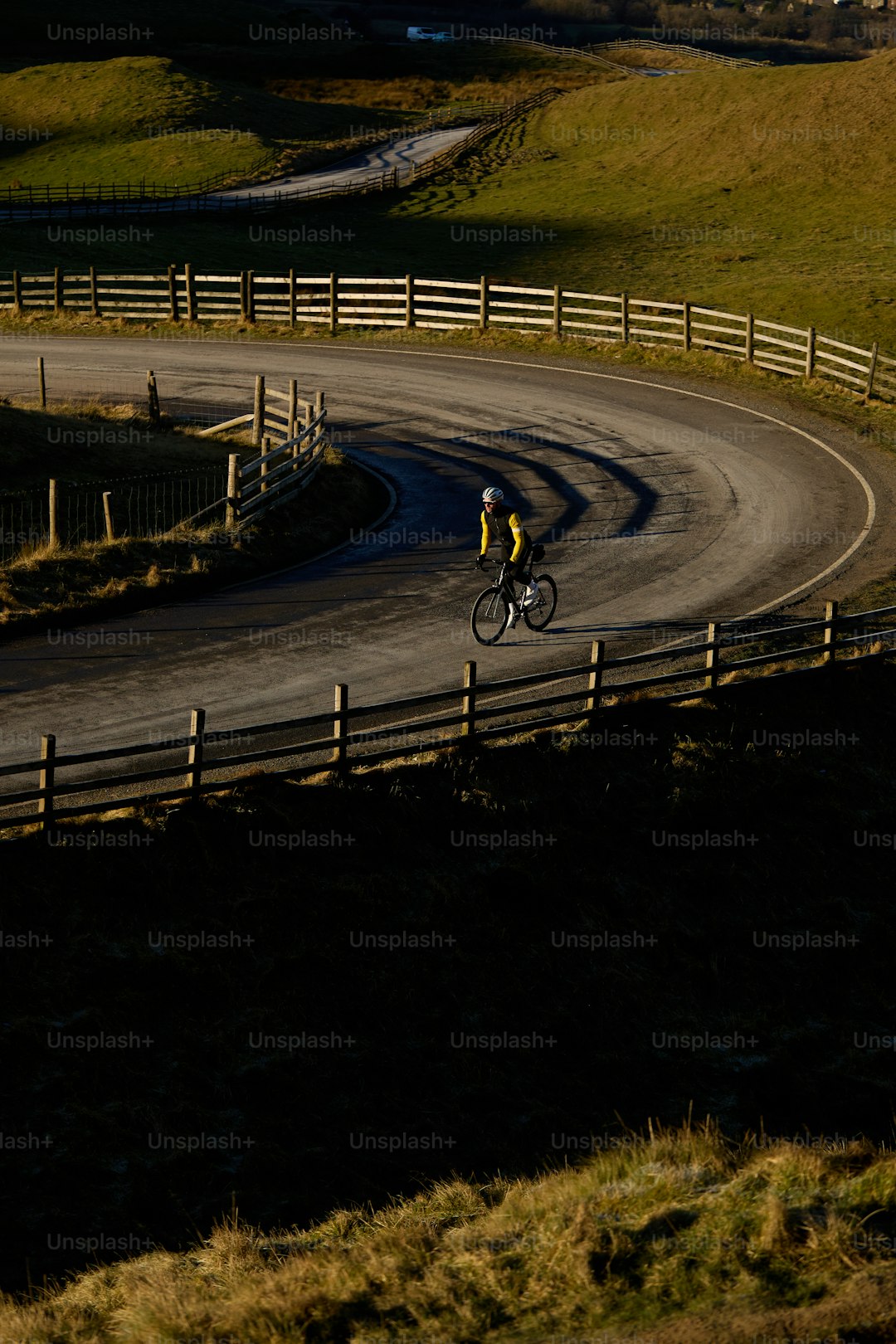
This 90-minute outdoor ride prepares you for hilly triathlon bike courses by delivering sustained climbing effort across repeated ascents. Moving from the turbo trainer to real roads for this session is important — outdoor climbing demands balance, gear selection, and pacing judgement that no indoor simulation fully replicates. Ideal for athletes targeting events like IRONMAN 70.3 Bolton or any hilly UK triathlon, this session builds both climbing fitness and race-day confidence on ascents.
What You’ll Need
- Road or triathlon bike in full working order
- Helmet (mandatory)
- Two water bottles, 500ml each — plus an energy gel or bar for the second half
- GPS cycling computer or watch with route navigation
- Compact chainset recommended (50/34) with 11-28 or 11-32 cassette for sustained climbs
Warm-Up (15 minutes)
15 minutes of easy riding at RPE 2-3 on flat or gently rolling terrain before you hit your first climb. Use this time to settle into your position, check your gearing is working smoothly, and bring your body temperature up. Never launch directly into a steep climb from a cold start — cold muscles produce less power and are more injury-prone, and a poor-quality first climb demoralises the rest of the session.
Main Set
The main set should include 3-5 significant climbs, each lasting 5-15 minutes, depending on the topography available to you. The effort targets below are guidelines — adjust based on gradient and the specific demands of your target race course.
- Climbs 1-2: tempo effort at RPE 7 (80-85% FTP if using power), seated throughout — practise settling your hips and keeping a smooth, circular pedal stroke on the steeper pitches
- Climbs 3-4: sweet spot effort at RPE 7.5-8 (88-93% FTP), again predominantly seated — resist the urge to stand and sprint; train the muscles for sustained seated climbing load
- Final descent and flat sections between climbs: RPE 3-4, use these for nutrition and hydration — take on fluid at least every 20 minutes regardless of perceived thirst
Cool-Down (15 minutes)
Easy spinning on flat terrain at RPE 2 for the final 15 minutes home. Keep cadence above 85rpm and resist the temptation to push in the final kilometres. The cool-down is not optional — an abrupt stop after sustained climbing work increases next-day muscle soreness and blunts the adaptation response. Stretch quads, hip flexors, and calves as soon as you dismount.
Coaching Notes
- Pace the first climb conservatively — it is easy to overcook it early and then struggle on the later climbs. Negative split the ride if possible.
- If you do not have access to hills, simulate climbs on the turbo with the resistance sessions in this programme, but try to complete at least one outdoor hilly ride per two-week block during race build phase.
- Easier: reduce to 2 climbs at tempo effort only. Harder: add a 5th climb and drop recovery to RPE 4 between climbs to simulate a relentless hilly course.
- Think of every climb as race practice — keep a composed face, controlled breathing, and steady power. Panicking on a hill wastes energy and burns matches you need for the run.
You Might Also Like


Training at your own risk. The information provided is for general guidance only and is not a substitute for professional medical advice. Please consult a doctor before starting any new exercise programme, especially if you have any pre-existing health conditions.