How to Handle Race Day Nerves in Triathlon
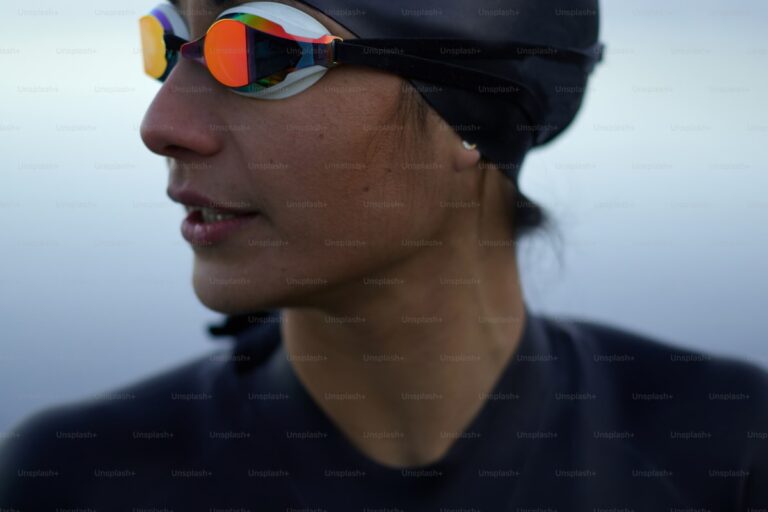
Pre-race nerves are universal. Even elite professionals describe the anxiety of standing on the start line. The key is not to eliminate nerves — which is impossible — but to channel them productively so they sharpen your performance rather than derail it.
Understand Why You Feel Nervous
The physical sensations of nervousness — elevated heart rate, butterflies, restlessness — are identical to excitement. Your body is preparing for effort. Reframing nerves as readiness rather than threat is one of the most evidence-backed techniques in sports psychology. Instead of thinking “I’m so nervous,” try “my body is ready to race.”
Control What You Can
Much of race anxiety stems from uncertainty. The more you have prepared and planned, the less room there is for worry. Work through your race day checklist the evening before. Know your transition route. Drive or walk the venue if possible. Confirm your wave start time. Each tick on the list is one less thing that can go wrong on the day.
Breathing Techniques That Work
Box breathing — inhale for 4 counts, hold for 4, exhale for 4, hold for 4 — has strong support from research on anxiety management in athletes. Spend five minutes practising it on the morning of the race, and again in the transition area. It activates the parasympathetic nervous system and slows the stress response without reducing your alertness.
Develop a Pre-Race Routine
Elite athletes rarely leave their pre-race preparation to chance. A consistent routine — the same breakfast, the same warm-up, the same music playlist — creates psychological safety. When the routine unfolds as expected, the brain interprets the race environment as familiar and manageable. Start building yours now, in training, so it feels automatic come race day.
During the Race
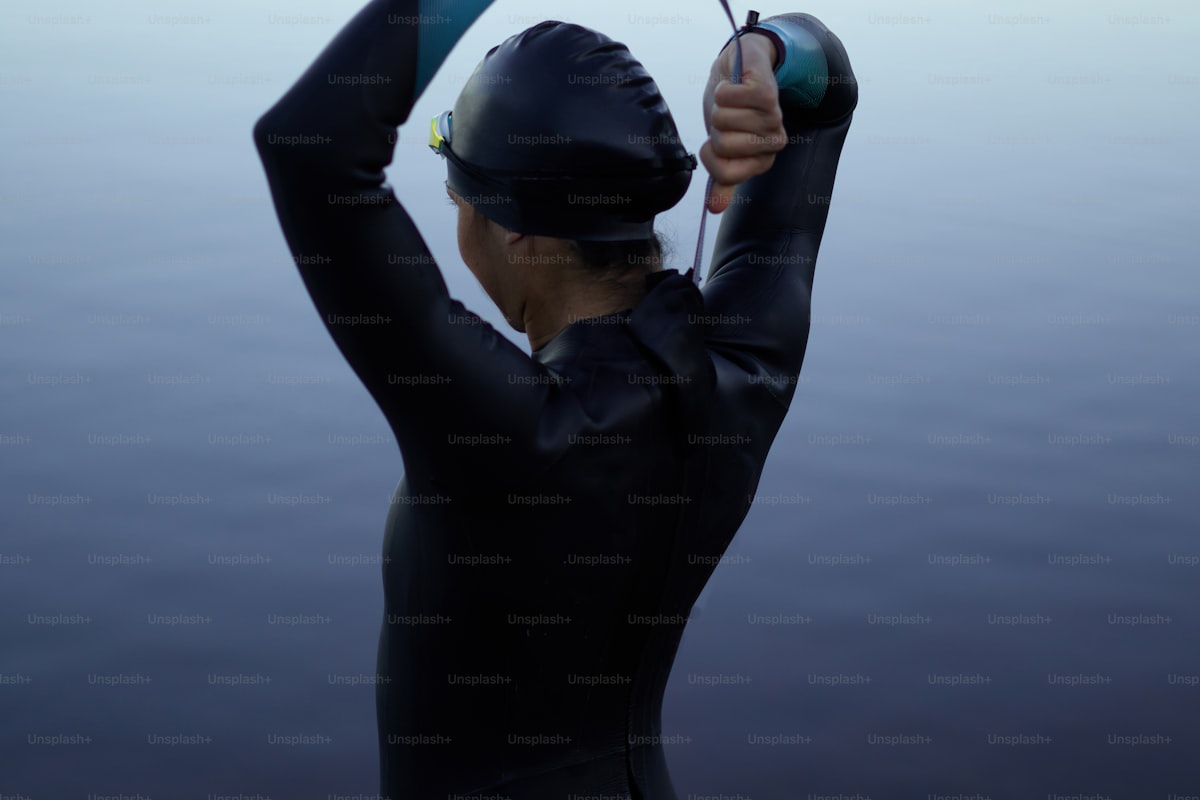
If nerves spike mid-swim or at the base of a climb, bring your attention back to the immediate moment. Focus on your breathing, your stroke, your cadence — anything concrete and controllable. Breaking the race into segments helps: just get through the swim, then just get to the top of the hill. The anxiety of the full distance disappears when you race one kilometre at a time.