6 Tips to Build Your Triathlon Training Base for Spring 2026
February and early March represent the final weeks of winter training for most UK triathletes, with the race season beginning as soon as late March at events like the Oulton Park Duathlon. If you’ve been consistent through winter, now is the time to sharpen your aerobic base before specific race prep begins. If you’re just getting started, these six strategies will help you build efficiently without burning out before your first race.
1. Prioritise Volume Before Intensity
Your aerobic base is the foundation everything else sits on. In the 6-8 weeks before you start race-specific training, focus on accumulating hours at easy to moderate effort (Zone 2: 60-70% max HR). This might feel frustratingly slow, but you’re building mitochondrial density, fat-oxidation efficiency, and cardiac output that will pay dividends when you add intensity in April. Aim for 80% of your weekly training volume at Zone 2 intensity.
2. Maintain Swim Frequency Over Distance
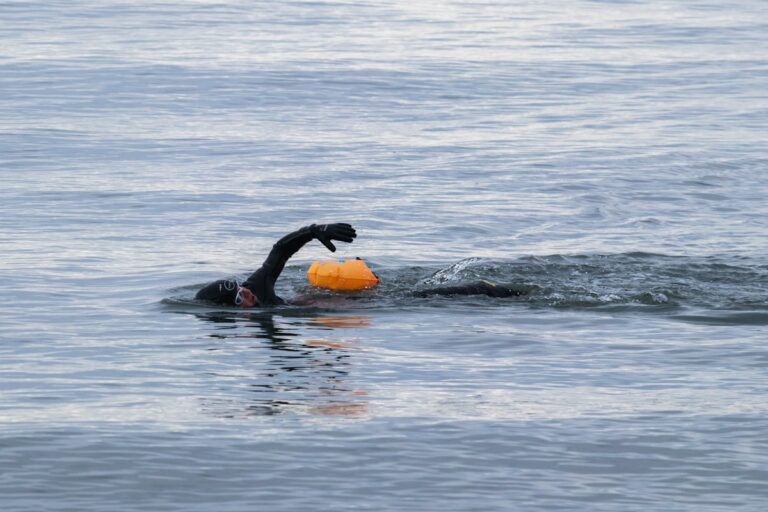
In winter, it’s better to swim three times per week for 30-40 minutes each than once per week for 90 minutes. Swimming is highly technical — the nervous system adaptations you build through frequent, quality sessions are far more valuable than rare, long slogs. If pool access is limited, even two sessions per week will maintain your feel for the water through the winter months.
3. Don’t Neglect Your Run in Cycling Season
Many triathletes lean heavily on the turbo trainer through winter and let their run fitness slide. Running fitness deteriorates faster than cycling fitness — two weeks of reduced running can noticeably affect your run pace and economy. Protect your run base with at least two runs per week, even if they’re short 20-30 minute easy efforts. Your spring race legs will thank you.
4. Add One Quality Session Per Discipline Per Week
Even in base phase, one quality session per discipline per week keeps your neuromuscular system sharp and prevents the staleness that comes from exclusively slow training. For swimming, add a short threshold set. For cycling, include 2 x 10-minute sweet spot efforts. For running, finish one easy run with 4-6 strides at 5K pace. These quality touches take 10-15 minutes but maintain your speed throughout winter.
5. Treat Strength Training as a Fourth Discipline
February is the ideal time to invest in strength training because the racing calendar is quieter. Two strength sessions per week — focusing on single-leg exercises (Bulgarian split squats, single-leg deadlifts), hip stability work, and upper body swim-specific exercises — will reduce injury risk in the summer months and improve your power output across all three disciplines. Strength returns slow down significantly once race-specific training begins, so build now.
6. Plan a Recovery Week Every Fourth Week
Many amateur triathletes train hard week after week without scheduled recovery, then wonder why they feel flat in April. Every fourth week should drop volume by 30-40% while maintaining most of the intensity. This is when adaptation actually occurs — your body uses the reduced stress to absorb training stimulus and grow stronger. Mark your recovery weeks in your calendar now so they don’t get pushed aside when life gets busy.