How to Race Triathlon in Rain and Bad Weather
Rain does not cancel triathlon races — and for UK athletes, wet conditions are an expected part of the racing calendar. Knowing how to prepare for and race in bad weather can make the difference between a personal best and a miserable DNF. Here is your complete guide.
Pre-Race Kit Changes
- Race kit: Wear your tri suit as normal — it dries faster than extra layers and maintains aero benefits. Avoid cotton.
- Cycling shoes: Neoprene overshoes or waterproof socks help on colder wet days if using open-toe shoes.
- Sunglasses: Keep them on — glasses protect eyes from rain spray, grit, and road debris. Use clear or light-tinted lenses if dark lenses reduce visibility.
- Nutrition: Wrap gels and bars in a small ziplock bag — rain dissolves gel packets and makes them impossible to open cleanly.
- Sunscreen: Apply before arriving — rain washes off most products before the race starts.
- Transition: Place a towel under your rack spot — wet feet become a problem when running to your bike.
The Swim
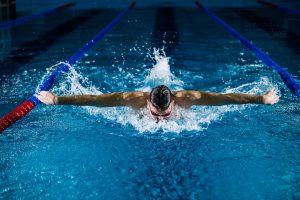
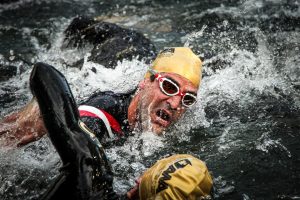
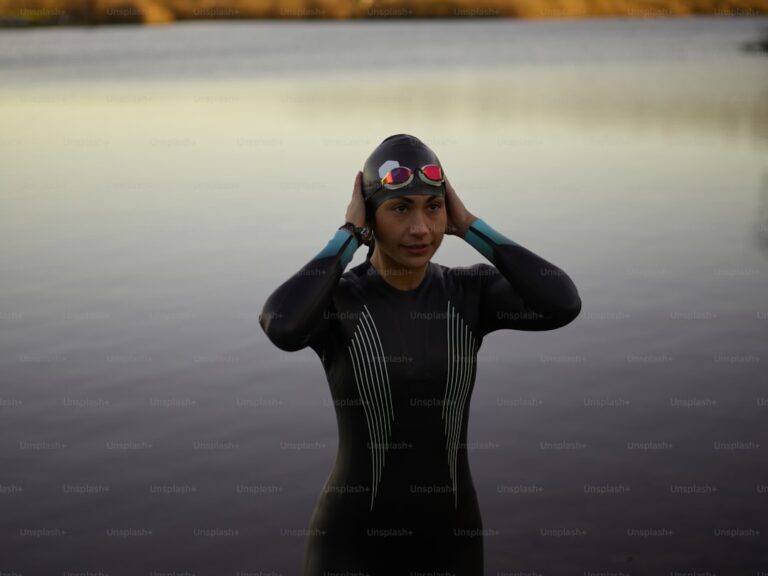
Rain rarely affects open water swims directly — you are already wet. The main risk is reduced visibility if heavy rain obscures sighting buoys. Sight more frequently (every 4–6 strokes instead of 8–10), and be aware that other athletes will also have reduced visibility, increasing collision risk at the start. Cold rain before the race can drop your body temperature in transition — stay warm in your wetsuit until the last possible moment.
The Bike Leg in Rain
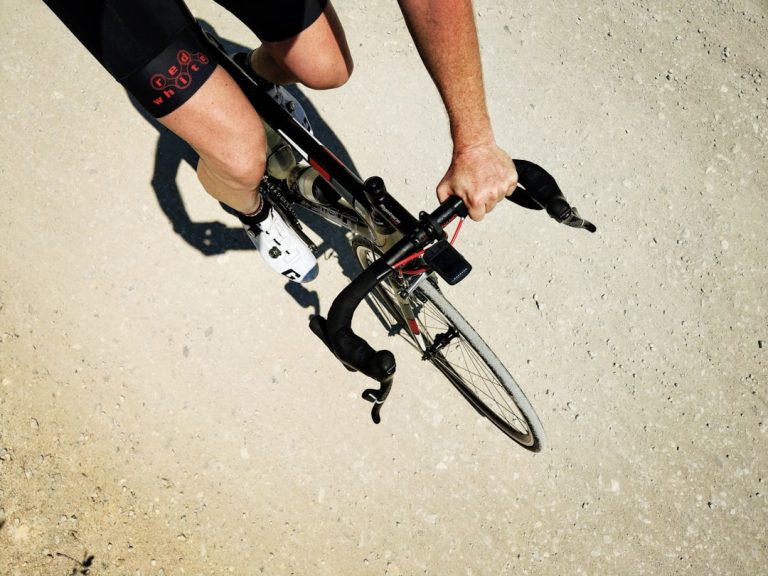
- Braking: Increase following distance and brake earlier — wet rims and discs need 20–30% more stopping distance, especially descending.
- Cornering: Reduce speed before corners and avoid leaning as aggressively as in dry conditions. Weight through the outside pedal.
- Descending: Feather your brakes on long descents rather than grabbing them. A crash in wet conditions is far more dangerous than losing 30 seconds.
- Nutrition: Eat earlier than planned — cold and rain increase calorie burn. Aim for the first gel before 25% of the bike leg is complete.
The Run in Rain
- Blisters: Wet feet in running shoes dramatically increases blister risk. Anti-blister socks and toe vaseline before the race help significantly.
- Surfaces: Be cautious on painted road markings, metal drain covers, and puddles that may conceal potholes. Reduce pace slightly on sharp turns.
- Aid stations: Soggy cups are harder to grip — take them firmly from volunteers to avoid spillage.
Mental Strategy
The biggest advantage in a wet race is attitude. Athletes who treat rain as equal conditions — not a disadvantage — consistently outperform those who fixate on discomfort. Your competitors are just as wet. As a practical cue: if it starts raining during the race, deliberately relax your shoulders, breathe out, and refocus on your form. Wet races are often faster than hot ones for most athletes — and UK race days are rarely warm anyway.