Ironman UK Bolton 2026: Full Distance Race Guide for Athletes
Ironman UK at Bolton is one of Europe’s most beloved full-distance triathlons — a notoriously tough course, a spectacular crowd, and a town that genuinely embraces race day like few others. If you’re targeting a Bolton finish line in 2026, here’s everything you need to know to prepare and race it well.
Race Overview
Ironman UK takes place in July at Pennington Flash Country Park, Leigh, just outside Bolton. It is a point-to-point and loop course combining a reservoir swim, a brutal hilly bike course through Lancashire, and a multi-lap run through the town centre. Bolton’s reputation as one of the hardest Ironman courses in Europe is well-earned — the bike leg in particular is relentlessly challenging, making finish line times here genuinely impressive benchmarks.
Swim: Pennington Flash
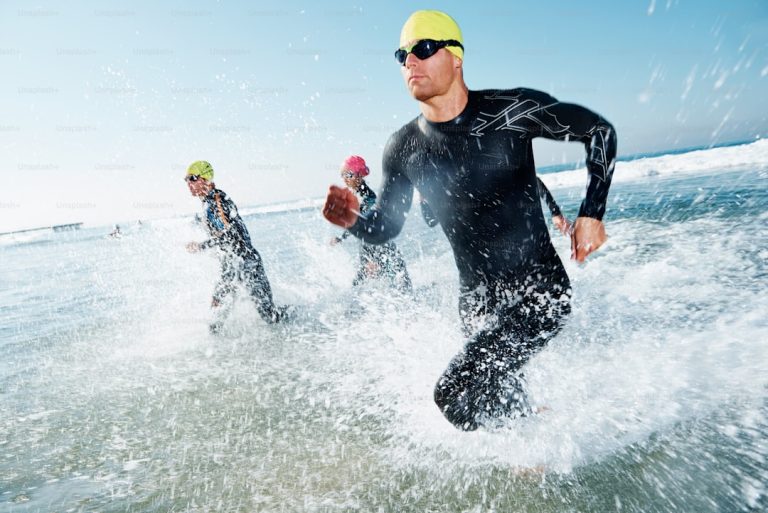
The swim takes place at Pennington Flash, a large freshwater reservoir with generally calm conditions. Water temperature in July is typically 15–18°C — wetsuit-legal in most years but check the official announcement closer to race day. The swim is a single lap and generally considered one of the fairer aspects of the course. Aim for a clean line to the first buoy; the start can be physical but the field spreads out quickly.
Bike: Lancashire Hills
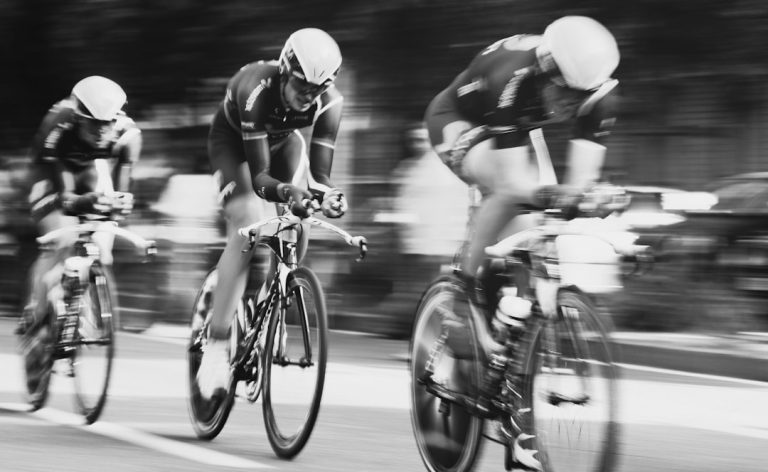
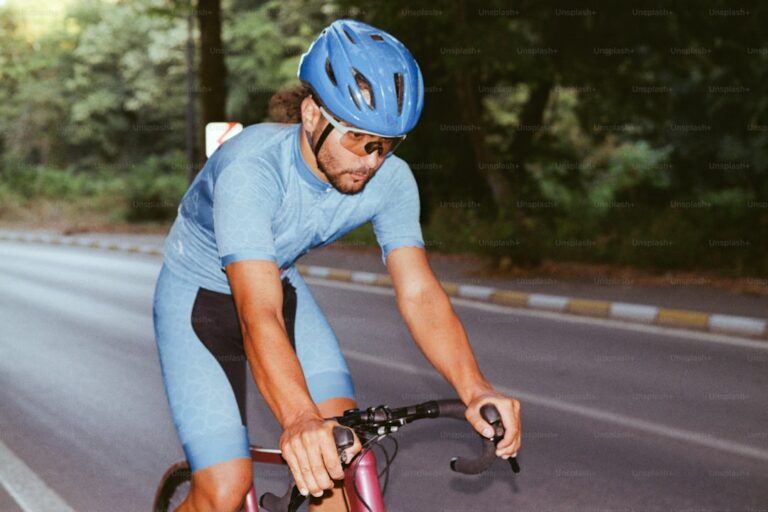
The 180km bike course is the defining challenge of Bolton. Two laps through the rolling Lancashire countryside include a cumulative elevation of around 2,200–2,400m depending on the year’s routing — more climbing than many full-distance courses worldwide. The iconic Sheep House Lane climb appears twice per lap, a brutal ramp that tests even the strongest cyclists. The key to the Bolton bike is not heroics — it is pacing. Athletes who go out conservatively on lap one consistently outperform those who chase splits early. Aim for 65–70% of FTP on lap one and let lap two tell you whether you have more to give.
Run: Bolton Town Centre
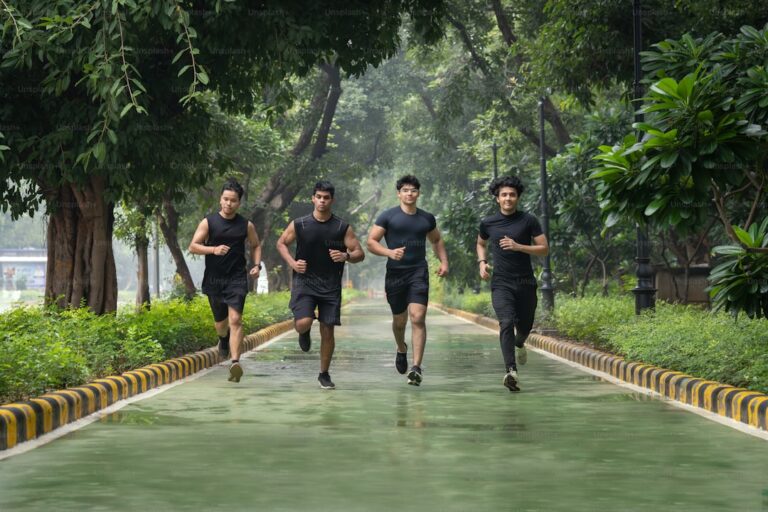
The run is a multi-lap course through Bolton town centre with exceptional crowd support throughout. After the punishing bike, even well-trained athletes find the run tough. Break it into segments mentally — focus on the next aid station rather than the total distance. Bolton’s crowds are genuinely outstanding and can carry you through dark patches in the second half of the marathon. Aim to keep moving at aid stations rather than stopping — walk through each one with purpose.
Training Priorities
- Hill-specific bike work: Incorporate long climbs and back-to-back hilly rides in your build. If you live in a flat area, simulate with turbo over-gearing or finding any available hill repeatedly.
- Run off tired legs: Bolton’s run is almost always done on depleted legs. Prioritise brick sessions and back-to-back long training days in your 16-20 week build.
- Nutrition strategy: With 10+ hours of racing for most athletes, practising full-race nutrition in training is essential. Know exactly what you’re taking on the bike and run before you arrive.
- Weather preparation: Bolton in July can be warm, cool, and rainy — often on the same day. Train in variable conditions and pack layers for transition bags.
Logistics and Registration
Ironman UK Bolton typically sells out quickly each year. Register early via ironman.com and book accommodation in Bolton or Leigh well in advance — the town fills rapidly race week. Transition is located at Pennington Flash for T1 and in the town centre area for T2, so understand the logistics of gear bag placement before race morning.