
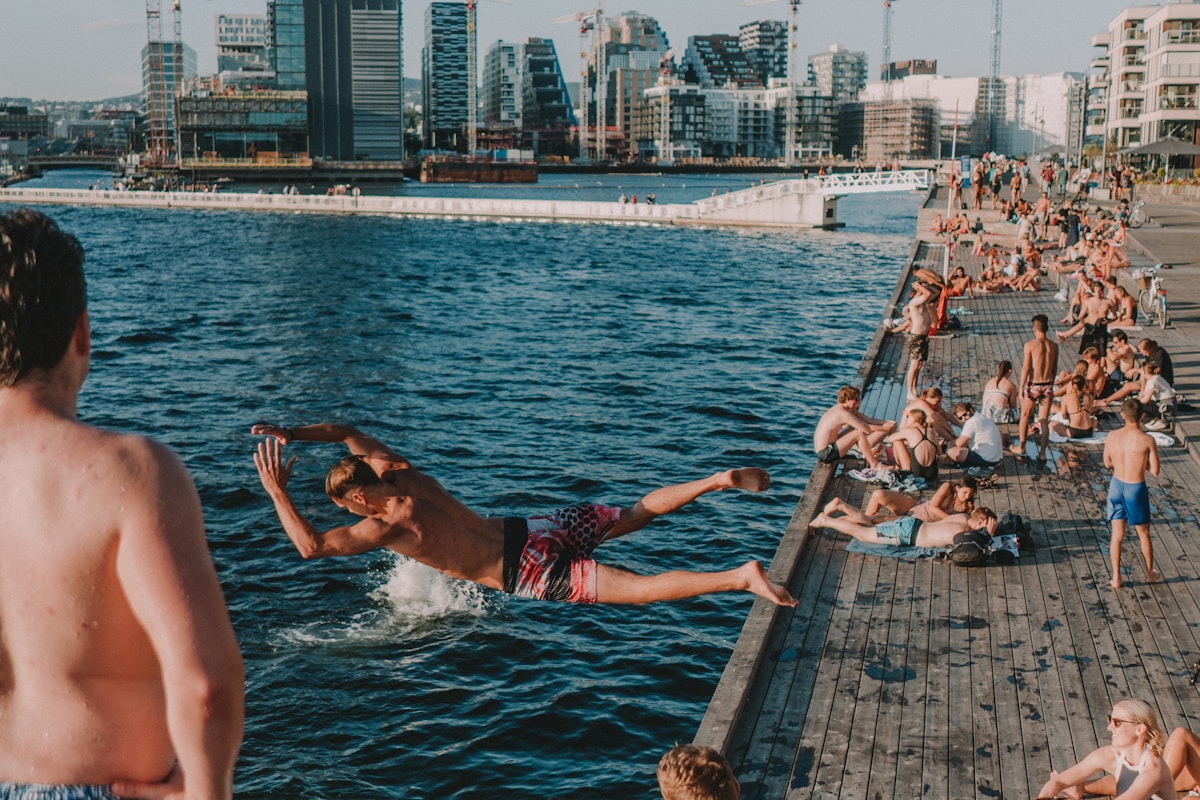
Hot Weather Open Water Acclimatisation Swim
Session Overview
As summer arrives and open water temperatures rise, your body needs time to adapt to the heat — not just the water. This 45-minute session helps you acclimatise to warm open water conditions, practise safe pacing in the heat, and build confidence when temperatures creep above 20°C. Ideal for athletes racing in July or August.
Session Details
- Duration: 45 minutes
- Location: Open water (lake, reservoir, or sea)
- Wetsuit: Optional — legal below 24.6°C in race conditions
- Effort: Zone 2 throughout — conversational pace
- Goal: Heat acclimatisation, not performance
Pre-Session Checklist
- Drink 500ml of water in the 90 minutes before you enter
- Apply waterproof SPF 30+ sunscreen at least 20 minutes before entry
- Bring a safety buoy for visibility and flotation
- Check water temperature — this session is most valuable between 20–26°C
- Swim with a buddy or within sight of a lifeguard
Warm-Up (10 minutes)
- Enter slowly — do not dive or jump in during heat acclimatisation
- Spend 2–3 minutes wading, splashing water on your face and neck
- Swim 200m very easy, stopping every 50m to float on your back and breathe
- Check in with how you feel — if dizzy or nauseous, exit the water
Main Set (25 minutes)
- 4 × 300m at easy aerobic effort (Zone 2) with 30 seconds rest at the buoy between each
- During rest: flip onto your back, slow your breathing, and let heart rate drop
- Sight every 6–8 strokes — overheating affects concentration
- If you feel hot mid-rep, roll onto your back and float for 20–30 seconds
Cool-Down (10 minutes)
- 200m easy backstroke or breaststroke — let body temperature drop gradually
- Exit slowly — stand still for 30 seconds before walking
- Drink 500ml of cold water or electrolyte drink immediately on exit
- Sit in shade for 5 minutes before changing
Coaching Notes
Heat acclimatisation in open water is more complex than pool swimming — there is no escape from the environment. Stroke rate may feel higher than normal at easy effort. The body prioritises cooling over performance, so heart rate will drift higher than expected. Do this session 2–3 times per week in the fortnight before a hot-weather race. Warning signs to exit immediately: dizziness, nausea, confusion, cramps, or chest tightness. Never swim alone in conditions above 25°C.
You Might Also Like
Training at your own risk. The information provided is for general guidance only and is not a substitute for professional medical advice. Please consult a doctor before starting any new exercise programme, especially if you have any pre-existing health conditions.