How to Peak for Ironman UK Bolton 2026: A Race Prep Guide
Ironman UK in Bolton on 19 July 2026 is widely regarded as one of the most demanding full-distance triathlon courses in the world. The bike leg — a brutal circuit through the Lancashire moors with around 2,200m of climbing — demands specific preparation that goes beyond a standard Ironman training block. Here’s how to arrive on the start line in peak condition.
The Bolton Course: What You’re Preparing For
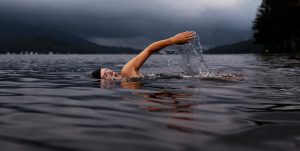
The swim is 3.8km in Pennington Flash reservoir — a calm inland lake that regularly produces fast conditions. The bike leg covers 180km of rolling Lancashire roads with long, sustained climbs rather than short punchy ones; Bolton’s hills require seated climbing at your Ironman power, not explosive efforts. The marathon run is a multi-lap route through Bolton town centre with modest elevation, but significant fatigue will have accumulated before you set foot on it.
Bike Training Priorities in the Final 4 Weeks
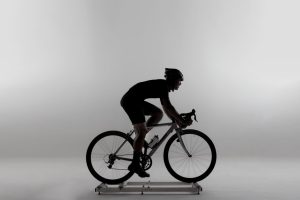
- Sustained climbing simulation: If you can’t train on the Bolton course itself, replicate it on equivalent gradients — 4-6% sustained climbs ridden in your race position. Standing is not the goal; seated power endurance is what this course demands.
- Race watts discipline: Target 65-70% of FTP for the Bolton bike. Most first-timers overcook the early climbs and pay heavily on the run. Practice riding at your race watts even when you feel you have more to give.
- Nutrition practice on the bike: Complete at least two 3-4 hour rides with your full race-day nutrition protocol. The Bolton feed station locations and timings should inform when you rely on your own supply versus what’s available on course.
Taper Timeline: Final 3 Weeks
With 3 weeks to race day (around 28 June), begin your primary taper by reducing volume 30-40% while maintaining the intensity of your key sessions. Two weeks out (5 July), drop total load by roughly 50% of your peak training week — keep at least one quality session per discipline. Race week (13-19 July) means short, sharp openers only: a 60-minute easy bike, a 20-minute easy run, and a 20-minute open water swim. Resist the urge to cram fitness — you’re preserving what you’ve built.
Race Day Nutrition: The Bolton-Specific Strategy
At Bolton’s typical age-group finish times of 12-15 hours, fuelling correctly is the race within the race. Target 60-90g of carbohydrate per hour on the bike — start fuelling within the first 20 minutes, not when you first feel hunger. Identify the positions of all Bolton feed stations in advance and plan exactly what you’ll take at each one versus what you’re carrying. Sodium intake is critical on a hot July day; aim for 600-1000mg of sodium per hour during the bike leg to maintain plasma volume and prevent cramping.
Managing the Bolton July Heat
Bolton in July can deliver anything from overcast, cool conditions to full summer heat. Prepare for both scenarios. If race morning is warm (above 20°C), drop your bike power target by 5-8% and reduce the time between drinks from every 20 minutes to every 12-15 minutes. Pack a cooling vest or neck ice pack in your T1 bag for the run start, and if sponges or ice are available at run aid stations, use them from mile one rather than waiting until you’re in trouble.
Mental Preparation for Bolton’s Hardest Moments
Bolton will challenge you — usually between kilometres 100-140 on the bike when the cumulative climbing begins to feel relentless, or around miles 14-18 of the marathon when your legs start to question why you entered. Expect this. Name it. Have a process — a breathing pattern, a phrase, a specific focal point — ready before you hit the wall, not when you’re already in the middle of it. Bolton’s crowd support through the town and at Rivington is genuinely extraordinary; use it as an energy source on the run and let the atmosphere carry you where your legs can’t.