How to Train for Your First Full-Distance Ironman
Stepping up from 70.3 to a full-distance Ironman isn’t just “the same again but longer” — it changes how you train, how you fuel, and how much of your week the sport takes up. Here’s what’s genuinely different about training for your first full-distance race, and how to build towards it without breaking yourself along the way.
Give Yourself a Long Enough Runway
Most first-timers need a minimum of 20-24 weeks of dedicated build, assuming you’re already comfortably training for and finishing 70.3-distance races. If you’re newer to the sport, six months to a year of consistent base training before you even start a formal Ironman block is a far more sustainable path than compressing everything into a rushed build. Our 20-week Ironman training plan for first timers is built around this timeline.
Realistic Weekly Hours
Most first-time finishers train somewhere in the 8-12 hour per week range for the bulk of the build, rising to 14-17 hours during peak weeks. That’s a significant step up from 70.3 training, and it needs to be planned around work and life, not squeezed in around it — burnout and overuse injury, not lack of fitness, is what derails most first-time Ironman builds.
The Sessions That Actually Matter
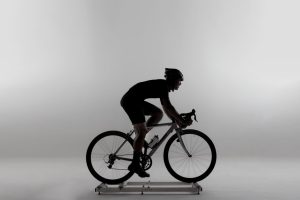
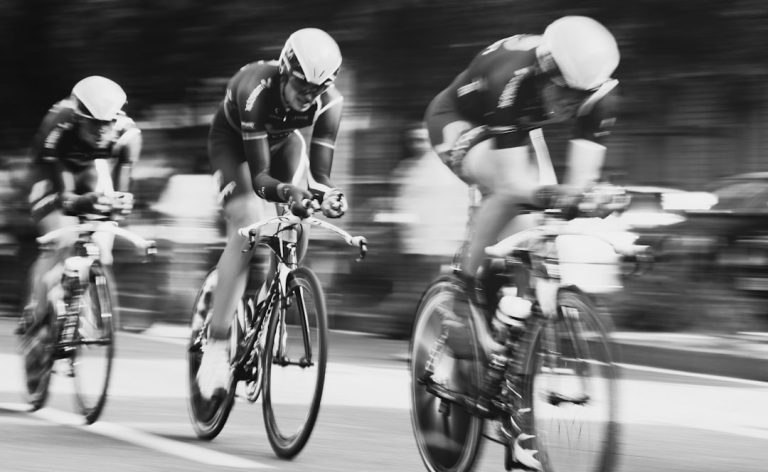
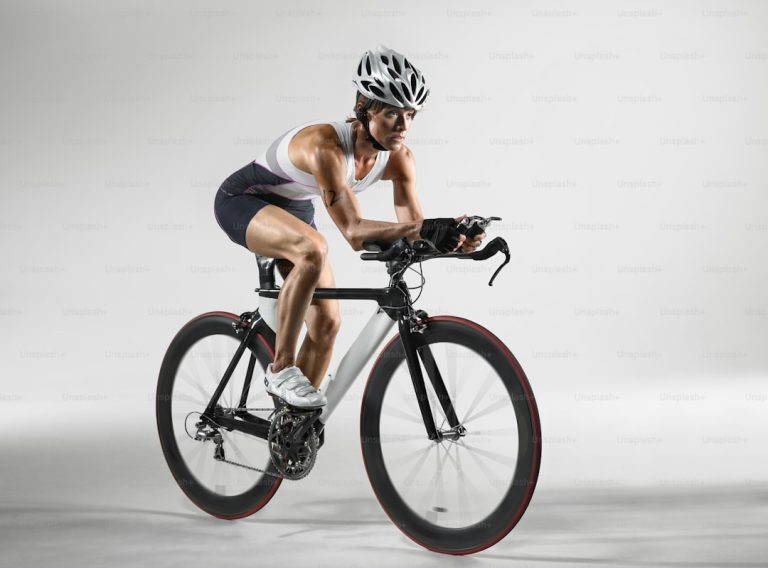
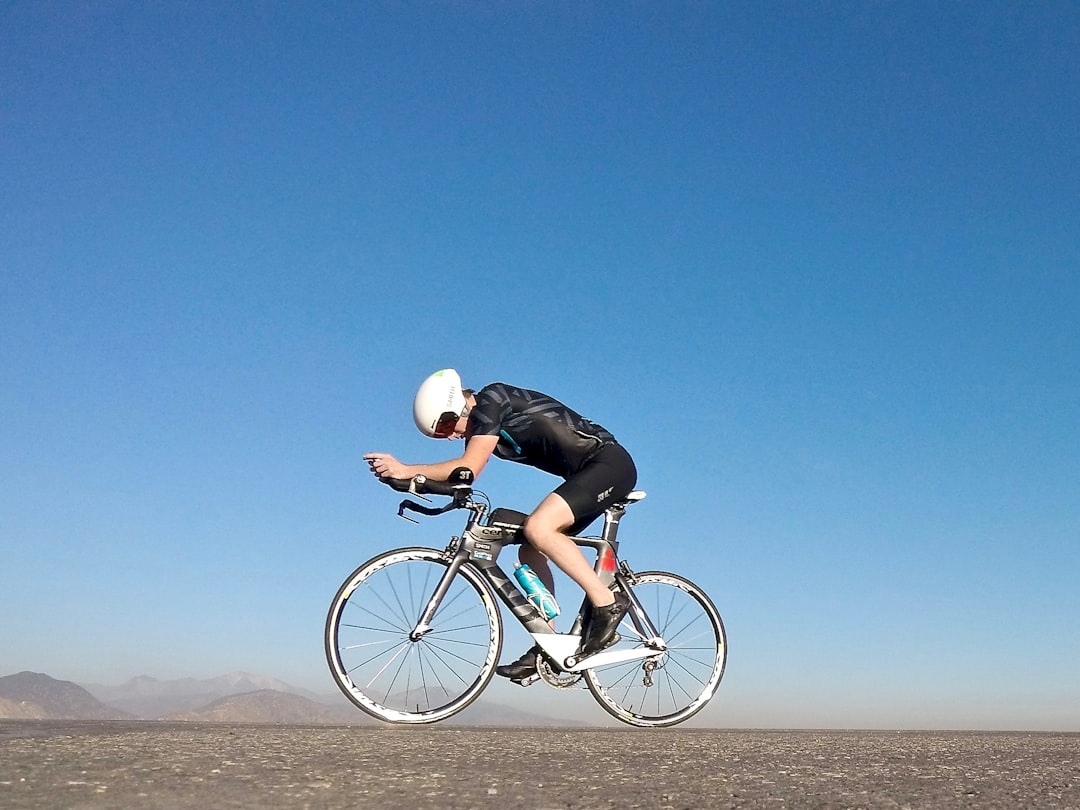
- The long ride — building to 5-6 hours in the saddle, ideally outdoors on terrain similar to your race course, is the single highest-value session in the build. This is where you rehearse pacing, nutrition and aero position endurance.
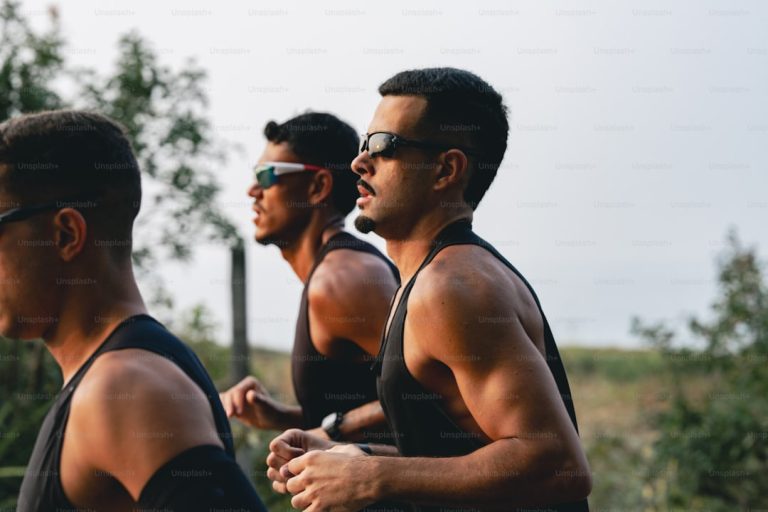
- The long run — building to 2.5-3 hours, with some sessions run directly off the bike to teach your legs the specific fatigue of an Ironman marathon.
- Brick sessions — regular bike-to-run transitions, even short ones, teach your body to run on tired legs far more effectively than separate bike and run sessions ever will.
- Open water swims — building to the full 3.8km distance at least a few times before race day, not just relying on pool fitness.
Practise Fuelling Like It’s Part of Training
An Ironman is fundamentally a fuelling and pacing problem as much as a fitness one. Use every long ride and long run as a rehearsal for race nutrition — the same products, the same timing, the same fluid and sodium intake you plan to use on the day. Never try something new on race morning.
Common First-Timer Mistakes
- Riding the bike leg too hard because it “felt fine” at the time — the damage shows up in the marathon, not on the bike.
- Skipping strength and mobility work, which becomes far more important as weekly volume climbs and injury risk rises.
- Under-fuelling the bike leg because it doesn’t feel necessary early on, then bonking in the final third of the run.
- Not rehearsing the swim cut-off pace in open water — see our guide to Ironman swim cut-off times for what’s actually required.
The single biggest predictor of a good first Ironman isn’t raw fitness — it’s consistency through the build and a fuelling and pacing strategy you’ve rehearsed dozens of times before you ever stand on the start line.