IRONMAN Kona 2026: Complete Course Guide and Race Day Tips
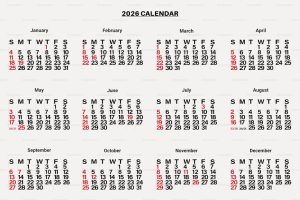
The IRONMAN World Championship returns to Kailua-Kona, Hawaii on 10 October 2026 for the men's race. For those who have earned their Kona slot — or who are planning their qualification campaign — here is what the course demands and how to prepare for conditions that are unlike any other full-distance race in the world.
The Swim: 2.4 Miles in Kailua Bay
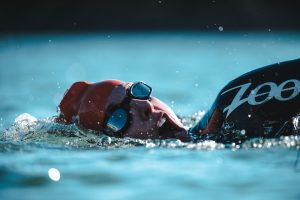
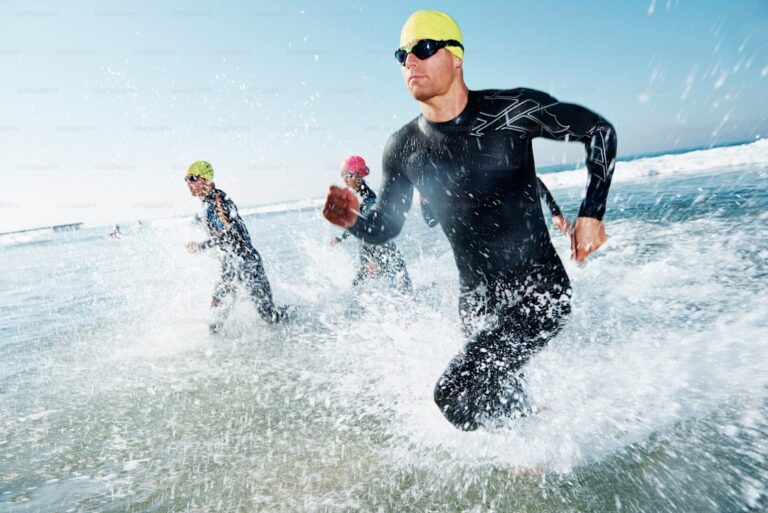
The swim starts at Dig Me Beach in Kailua Bay at approximately 6:25am. The course is a rectangle: athletes swim straight out to a buoy at approximately 800m, turn left for 600m, return to shore and complete the rectangle a second time. Water temperature in October sits around 78–80°F (25–27°C) — above World Triathlon's 24.6°C wetsuit cut-off, meaning no wetsuit is allowed. A swimskin is permitted where race rules allow, and most age-groupers will race in a tri suit or swimskin.
Key factors: the bay is sheltered, salt water provides more buoyancy than freshwater, and wave patterns are typically mild. The main challenge is the mass start — corrals based on estimated time have improved the process, but the first 500m are congested. Getting outside the main pack and finding clear water is worth more than perfect sighting technique in Kona.
The Bike: 112 Miles Through the Lava Fields
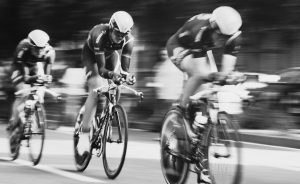
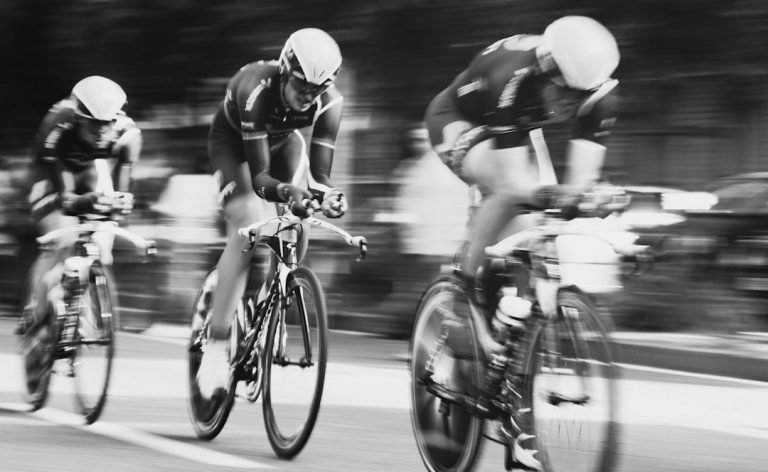
The Kona bike course is the most strategically demanding 112-mile loop in triathlon. Athletes leave T1 on Ali'i Drive, climb out of Kailua-Kona on Palani Road (a short but sharp 9% ramp), then turn onto the Queen Ka'ahumanu Highway — a mostly flat, exposed highway running north through the lava fields.
- Wind: the defining challenge. Crosswinds at 30–50mph are common in the middle sections of the course; gusts have been recorded over 50mph. Riders on deep-section carbon aero wheels face significant handling challenges — many experienced Kona athletes fit 40–50mm rims rather than 60mm+ to manage the crosswind
- Heat: by 9am the lava fields reach 38–42°C on the road surface. The course offers minimal shade. Athletes with hot-weather race experience will adapt faster; Kona is not a place to experiment with heat management for the first time
- Turnaround: the course goes out to Hawi (around 60 miles), which sits at higher elevation and is often windy with a slight climb. Athletes returning have a faster southbound return aided by the tailwind that causes the outbound headwind
- Pacing: the standard Kona bike advice is "the race does not start until you are back on Ali'i Drive." Riders who go out hard into the headwind on the Queen K pay for it on the run. Target 67–72% FTP and resist the temptation to hammer the return tailwind
The Run: 26.2 Miles on Ali'i Drive and the Energy Lab
T2 is in the town of Kailua-Kona. Athletes run south along the coast on Ali'i Drive — the iconic section with spectator crowds — before turning onto the Queen K and running north to the Natural Energy Lab, a barren, exposed stretch of road that has broken countless Kona dreams. The Energy Lab section sits at the hottest, most humid part of the course with minimal breeze, typically around midday.
- Cooling: ice sponges and cold water at every aid station — use them aggressively. Pour ice inside your tri suit on the run without hesitation
- Pace: the temptation exiting T2 on Ali'i Drive with crowds is to go too fast. Aim for Ironman marathon pace — not 70.3 pace
- Night finish: the final miles of the men's age-group race are often completed after dark; glow sticks and cheering crowds replace daylight
Race Day Logistics
- Race date: 10 October 2026 (men's race)
- Transition: the bike-to-run bags system is different from most IRONMAN events; read the athlete guide carefully for the specific Kona bag system
- Special needs: positioned at mile 60 on the bike and mile 13.1 on the run — plan your nutrition to not rely on these unless genuinely needed
- Spectator access: limited on the Queen K; plan to watch from the Ali'i Drive start/finish corridor and at the Energy Lab if you have a supporting crew
If you are still working toward your Kona qualification slot, see our complete IRONMAN Kona 2026 qualification guide for slot allocation by age group and qualifying race strategy.
Related: IRONMAN nutrition strategy: fuelling for 10 hours · How to race in the heat · How to peak for your A-race