How to Prevent Chafing in Triathlon: A Race-Day Guide
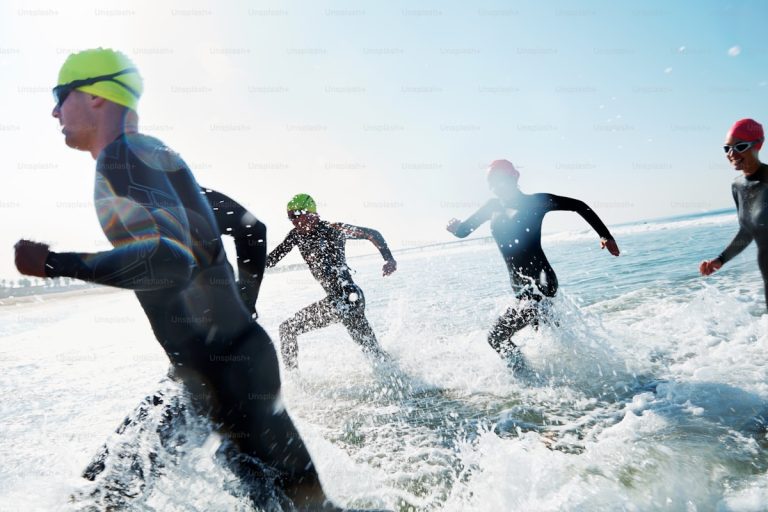
Chafing rarely bothers you in a 30-minute training swim or a short brick run. Stretch that same friction out over two, five or eleven hours of race intensity, add saltwater or chlorine, sweat, and hours of repetitive motion, and a spot that felt like nothing in training can end a race. The good news is that almost all triathlon chafing is entirely preventable with a bit of preparation the night before and a few minutes at each transition.
Where Triathletes Chafe Most
- Wetsuit neck and zipper line — the single most common complaint; even a well-fitted wetsuit rubs after 1500m+ of head rotation for sighting and breathing
- Underarms and armpits — wetsuit seams and tri-top sleeves both rub here, especially with arm swing on the run
- Inner thighs — bike saddle contact plus tri-short seams, made worse by wet or salty shorts after the swim
- Nipples — particularly on the run, particularly for men in a thin tri top, particularly over half and full-distance races
- Feet and ankles — sockless cycling shoes and race-day socks that haven’t been tested in training
Before You Start
Apply anti-chafe balm generously to every problem area before you even get in the water — neck (where the wetsuit zip sits), underarms, inner thighs and, for most men, nipples (some riders also tape them with sports tape or a plaster, which is more reliable over long distances than balm alone). If you’re wearing a wetsuit, check the product is wetsuit-safe: petroleum-based products like plain Vaseline can degrade neoprene over repeated use, so stick to a silicone-based balm such as Body Glide or a dedicated tri-specific chamois cream.
See our guide to the best anti-chafe balms and chamois creams if you don’t already have a go-to product.
At Transition
Don’t assume your pre-race application will last the whole race — a lot of it washes off in the swim. If you have time in T1, a quick reapplication to inner thighs before the bike leg is worth the few seconds it costs. Longer-distance races sometimes have chamois cream available at aid stations; if yours does, it’s there to be used, not just for emergencies.
Kit Choices That Reduce Chafing
- Choose a tri suit with flat-lock seams over a suit with raised or overlocked stitching — flat seams sit closer to the skin and rub less
- Get your wetsuit sized correctly at the neck; a collar that’s too tight is the single biggest cause of wetsuit-neck chafing
- Never wear brand-new, untested kit on race day — break in any new tri suit, socks or shoes over several training sessions first
If It Happens Anyway
Mild chafing usually isn’t worth stopping for — reapply balm if you have any with you and keep moving. If skin actually breaks and starts bleeding, that’s different: a quick stop to address it properly is worth the lost time, both for comfort and to avoid infection risk over the rest of the race. Afterwards, clean the area, let it dry fully and use an antiseptic cream on any broken skin before it has a chance to get worse overnight.
Does Race Distance Change the Risk?
Broadly, yes — a sprint or Olympic-distance race is often fine with minimal prep, since you’re not exposed to the friction for long enough to matter. Once you’re racing 70.3 or full-distance, treat anti-chafe prep as non-negotiable rather than optional; the difference between doing it and skipping it compounds hour by hour.