
Open Water Swim: Tow Float and Solo Safety Practice Session
Session Overview
A technique-and-safety session for anyone who swims open water without a coached group or safety cover. You’ll practise swimming comfortably with a tow float attached, and rehearse what to actually do if you need to stop, signal, or rest mid-swim — skills that matter far more than they get credit for until the moment you need them.
What You’ll Need
- Wetsuit (or swim costume in warmer water)
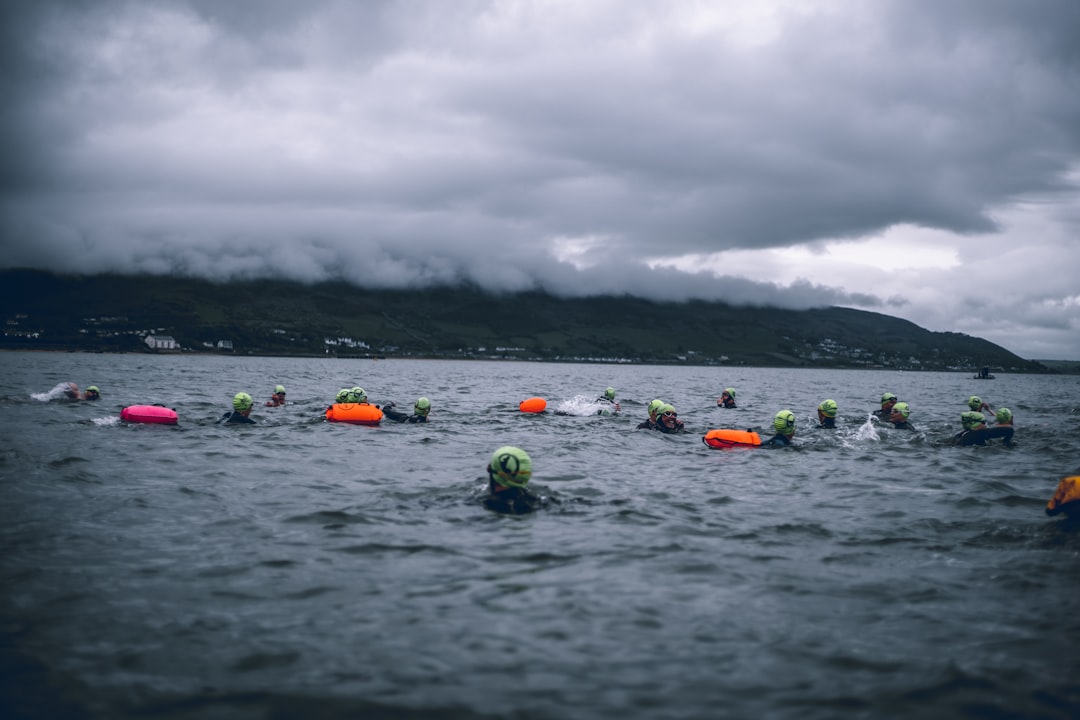
- Inflatable tow float with waist leash
- Goggles
- A swim buddy or someone on shore aware of your route and expected return time — non-negotiable for solo open water
Warm-Up (8 minutes)
Wade in and acclimatise to the water temperature for 1-2 minutes before submerging your face. Fit the tow float leash around your waist and swim 200m easy freestyle, getting used to the float’s slight drag and buoyancy behind you — most swimmers barely notice it after the first few strokes.
Main Set
The focus here is building genuine confidence in the tow float as a rest tool, and drilling the stop-and-signal sequence until it’s automatic.
- Rest-on-float drill (5 reps): Swim 100m, then stop and roll onto your back, resting your head and shoulders on the float for 20-30 seconds without treading water or standing. This is the core skill — knowing you can stop and float without effort removes the panic response that causes most open water incidents.
- Signal practice (3 reps): From a floating rest position, raise one arm straight up and hold for 5 seconds — the standard “I need assistance” signal to any safety cover or fellow swimmers. Practise it calmly, not just when you’d genuinely need it.
- Sighting-while-resting (3 reps): From the float-rest position, orient yourself and pick out your exit point or a fixed landmark before resuming swimming — useful if you’ve drifted off course during a rest.
- Continuous swim (800-1200m): Swim your planned route at an easy, sustainable pace, consciously checking in on your effort level every few hundred metres rather than waiting until you’re struggling to decide whether to rest.
Cool-Down (5 minutes)
Easy swim back to your exit point, finishing with a slow, controlled walk out of the water rather than a rushed exit — cold water can leave legs shakier than they feel while you’re still swimming.
Coaching Notes
- Never swim solo open water without telling someone your route and expected return time — a tow float improves visibility and gives you a rest option, but it isn’t a substitute for someone knowing where you are.
- Common mistake: only ever using the float as storage for keys and a phone, never actually practising resting on it — do the drill before you need it for real, not during a moment of genuine distress.
- Scaling: nervous swimmers can do the entire main set in water where they can stand, building float-rest confidence before taking it to deeper water.
- Choose a high-visibility float colour (orange or pink) — visibility to boats and other water users is a real safety factor, not just a race-day preference.
You Might Also Like


Training at your own risk. The information provided is for general guidance only and is not a substitute for professional medical advice. Please consult a doctor before starting any new exercise programme, especially if you have any pre-existing health conditions.