How to Build a Running Shoe Rotation for Triathlon Training
Most triathletes buy one pair of running shoes and run every session in them until they fall apart. A proper rotation — two or three pairs used for different purposes — reduces injury risk, extends the useful life of your race-day shoes, and lets you match cushioning and stack height to what each session actually demands.
Why a Rotation Beats One Pair
Running in the same shoe every day loads your feet and lower legs in exactly the same pattern, run after run — and repetitive strain in the same place is one of the more common paths to overuse injury. Alternating between two or three different shoes changes that loading pattern slightly each time, which several coaches and physios point to as a simple way to spread stress across different tissues rather than concentrating it. It also means your race-day super shoe isn’t absorbing the mileage of your easy runs.
The Three-Shoe Rotation
- Daily trainer — a durable, well-cushioned shoe for the bulk of your easy and steady mileage. This is the shoe that takes the wear, so buy for durability and comfort over weight.
- Tempo/speed shoe — lighter, more responsive, used for track sessions, intervals, and tempo runs where you want to feel the pace rather than cushion it away.
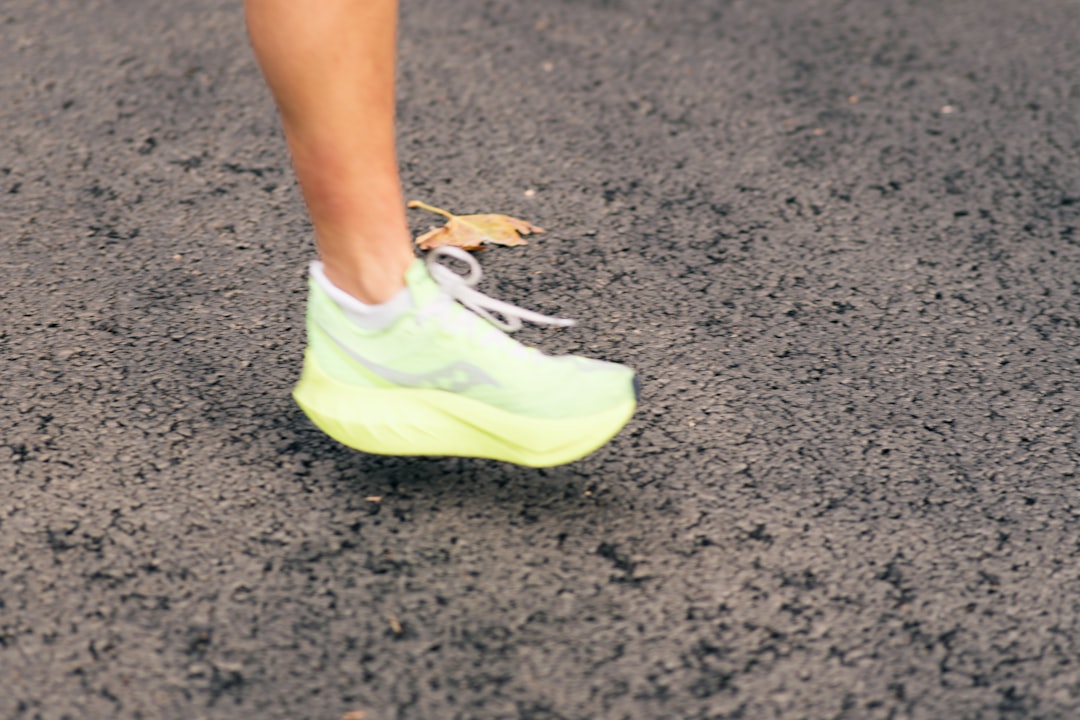
- Race-day shoe — a carbon-plated super shoe reserved for racing and the occasional race-pace session, so it’s fresh when you actually need it.
How Many Miles Is Too Many?
Most daily trainers are good for roughly 400–500 miles before the midsole cushioning meaningfully degrades, though this varies by foam type and your body weight. Super shoes with lighter, more delicate foams often show performance drop-off earlier than that, even if the outsole still looks fine — exactly why keeping them for racing and key sessions only, rather than daily training, matters more for a super shoe than a standard trainer.
Building Yours on a Budget
You don’t need three brand-new pairs at once. Start with a solid daily trainer, add a lighter tempo shoe once budget allows, and treat a race-day super shoe as the last piece you buy — ideally a few months before your A-race, so you’ve broken it in without racing on it cold. Our best triathlon running shoes roundup and race-day shoes guide both break down current options by category.
Coaching Notes
- Rotate based on session type, not day of the week — let the workout dictate the shoe.
- Track mileage on each pair, not just your total weekly mileage.
- Replace a daily trainer when the midsole feels noticeably flatter underfoot, even if the outsole tread still has life left.