Smart Bike vs Turbo Trainer: Which Should You Buy for Winter Indoor Training?
As the days shorten and outdoor riding time shrinks, most triathletes start weighing up an indoor setup upgrade. The two main options — a dedicated smart bike or a smart trainer paired with your own bike — solve the same problem in very different ways, and the right choice depends more on your space, budget, and how many bikes you own than on raw performance.
What a Smart Trainer Gives You
A smart trainer (direct-drive models like the Wahoo KICKR or Tacx NEO) clamps your own bike in place and simulates road resistance, gradient, and power. You keep your actual riding position, your own saddle, and your own pedals — nothing about your bike fit changes when you swap between indoor and outdoor riding. It’s also the cheaper entry point, with solid options available well under smart-bike prices, and it packs down smaller when you need the space back.
What a Smart Bike Gives You
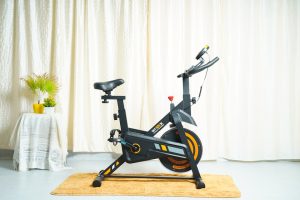
A smart bike (like the Wahoo KICKR Bike) is a purpose-built indoor unit with its own frame, so there’s no mounting or dismounting your outdoor bike, no chain wear indoors, and typically faster, more realistic gradient simulation since the whole bike tilts rather than just the resistance changing. The trade-off is cost — smart bikes generally sit well above even premium smart trainers — and you’ll need to replicate your outdoor bike’s exact fit (saddle height, reach, stack) on a second set of adjustable dimensions, which takes a proper bike fit session to get right.
Which Suits a Triathlete Better?
If you only own one bike and want to move it between indoor and outdoor sessions without a permanent second setup, a smart trainer is the more practical choice — you’re training on the exact bike, position, and drivetrain you’ll race on. If you have the space and budget for a bike that lives indoors permanently, and you do enough structured indoor training to justify not touching your outdoor bike’s drivetrain, a smart bike removes the daily mount/dismount friction and protects your race bike from indoor sweat and chain wear.
Don’t Forget the Extras
Whichever you choose, budget for a dedicated indoor setup beyond the unit itself: a sweat-catching mat, a decent fan (indoor sessions run hotter than outdoor ones at the same effort), and — for a smart trainer — a cassette that matches your bike’s if you’re swapping wheels regularly. See our indoor turbo trainer buying guide for model-by-model picks at every budget.
Buying Tips
- If choosing a smart trainer, check it’s compatible with your bike’s thru-axle or quick-release standard before buying.
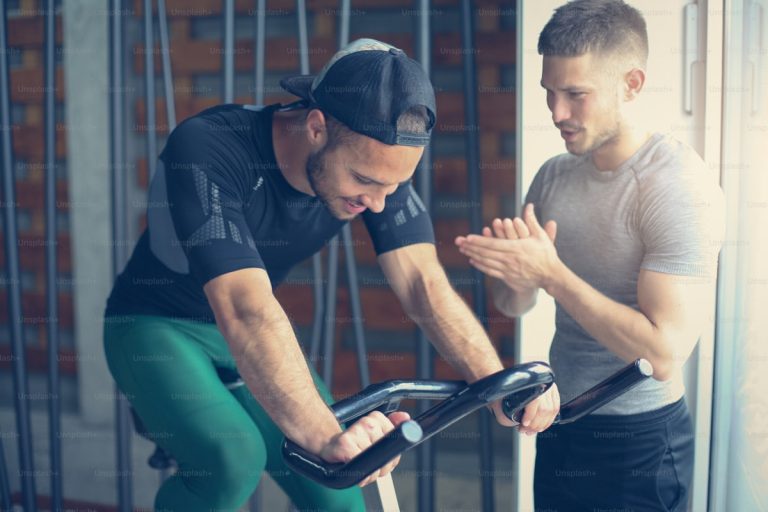
- Get a proper fit session before setting up a smart bike, rather than guessing your outdoor bike’s measurements.
- Either way, a decent fan isn’t optional — indoor sessions at the same effort run noticeably hotter than outdoor ones.