How to Break 10 Hours in an Ironman: A Practical Training Guide
Breaking 10 hours in a full Ironman — 3.8km swim, 180km bike, 42.2km run — is a significant performance milestone that places you in the top tier of age-group athletes. It’s achievable with consistent training, smart pacing and targeted preparation, but it requires realistic targets across all three disciplines and the discipline to execute on race day.
What the Numbers Look Like
A 10-hour Ironman requires roughly: swim 1:10, T1 0:07, bike 5:15, T2 0:04, run 3:24. That’s an average swim pace of ~1:50/100m, a bike average of ~34 km/h, and a marathon at ~4:50/km. None of these numbers are elite — they represent trained, focused age-group athletes with 10-15 hours per week training capacity and at least one 70.3 in their race history.
The Swim: Target 1:05–1:15
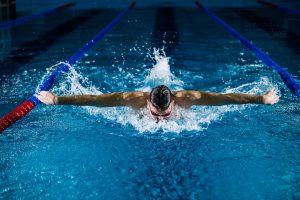
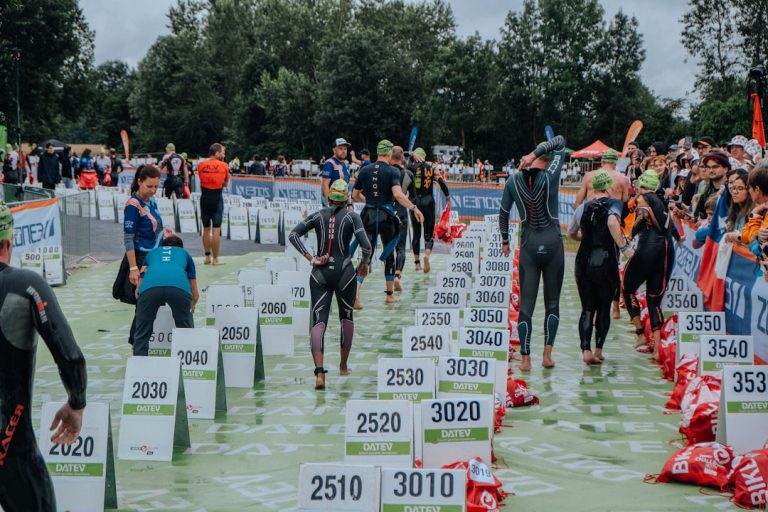
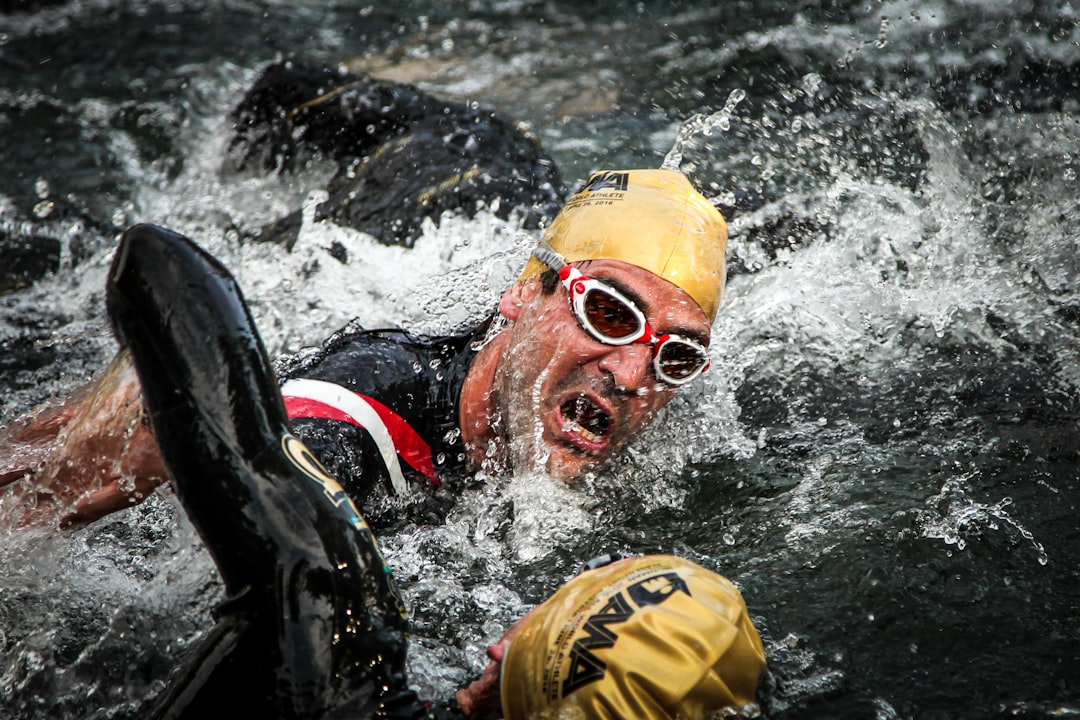
Swim anxiety and poor positioning cost more time than fitness. Seed yourself confidently — most Ironman events use a rolling start where a 1:10 swimmer can self-seed without pressure. A CSS-based pool session twice a week for 12 weeks will get most athletes to 1:50/100m pace. Open water practice from April onwards builds the confidence to execute that pace in a race environment. See our 16-week Ironman training plan for a structured approach.
The Bike: Build FTP, Pace at 75–80%
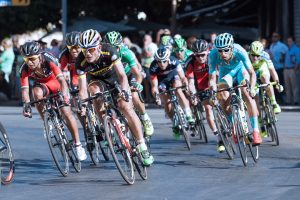
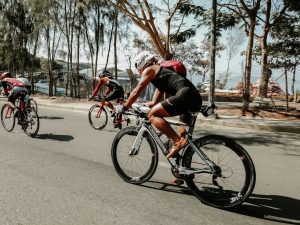
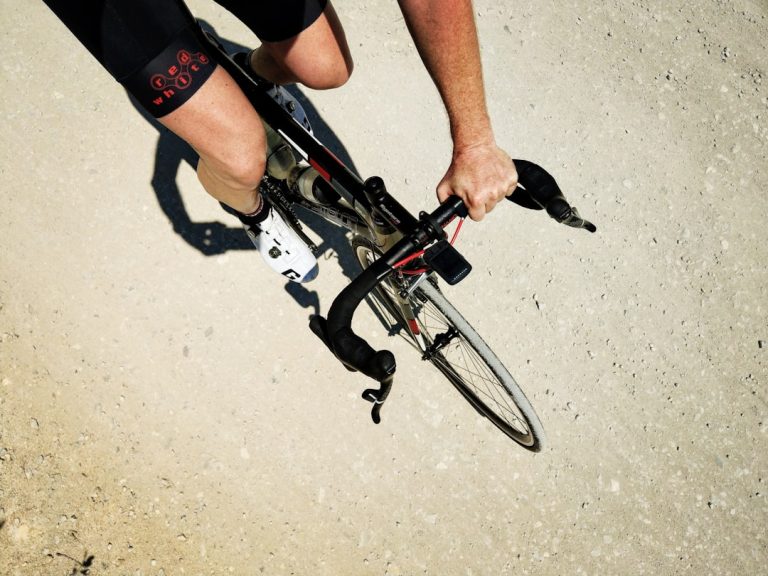
The bike leg determines how your marathon goes. To average 34 km/h for 180km, most athletes need an FTP of 250–300W depending on aerodynamics and course profile. The key discipline on race day is restraint: riding at 75–80% of FTP conserves glycogen for the run. Athletes who blast the first 90km at 90% FTP almost universally walk the final 15km of the marathon. Use a Ironman race-pace turbo session to calibrate what your target power feels like. A power meter is the single most valuable equipment investment for sub-10 athletes.
The Run: Execute a Negative Split
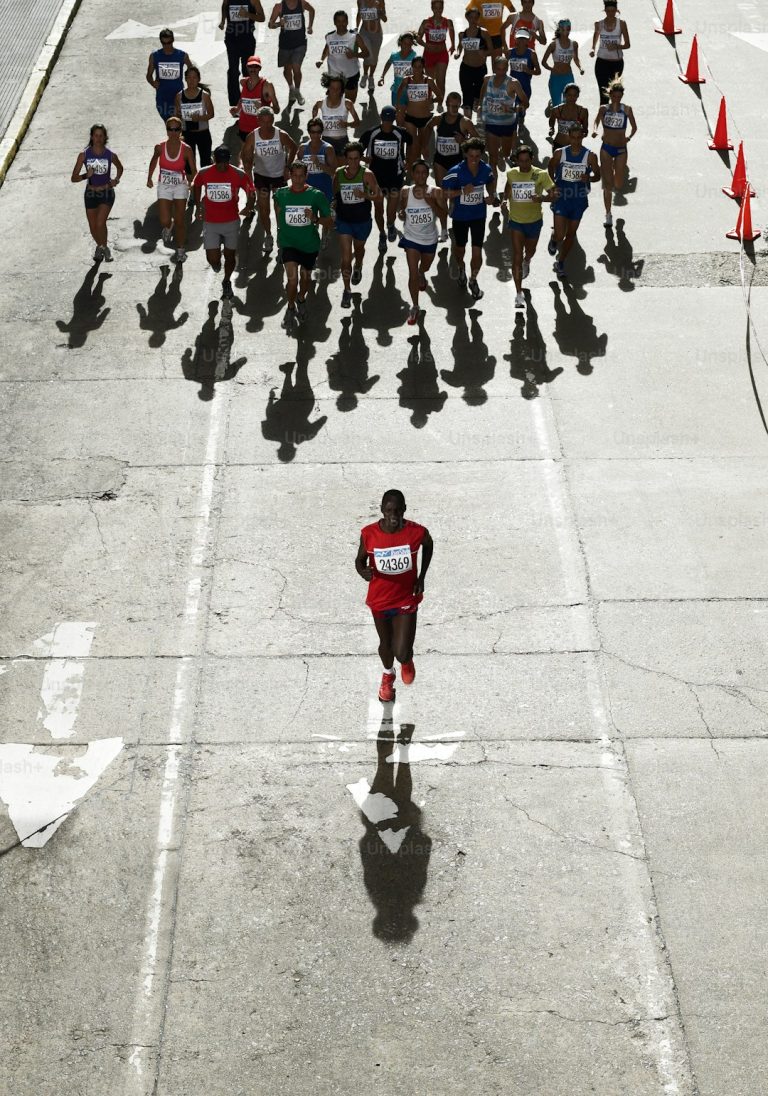
A 3:24 Ironman marathon requires ~4:50/km — approximately 30 seconds per km slower than your standalone marathon PR for most athletes. The mistake is going out at marathon pace and imploding after kilometre 25. Run the first half at 5:00/km and build through the second. A long-run negative split session in training teaches your body to run fast when fatigued. Don’t skip this in your final 10 weeks.
Nutrition Strategy
Sub-10 requires approximately 80–100g of carbohydrates per hour on the bike and 60–80g per hour on the run. That means gels, chews and drink together — not relying on aid station cola at kilometre 30. Practice your nutrition plan in training using the same products you’ll use on race day. Our full Ironman nutrition strategy guide covers timing, product choices and common mistakes.
The Training Prerequisites
- FTP test — know your current FTP before committing to a 10-hour attempt. If it’s below 230W, the bike target may need adjusting.
- CSS benchmark — a 400m time trial in the pool gives you your critical swim speed. 1:50/100m CSS maps to a 1:10 race swim in a wetsuit-legal event.
- Long run base — at least 12 weeks of 70–80km run weeks, including a weekly long run reaching 28–32km at easy-to-moderate effort.
- Three long rides — rides of 4, 5 and 5.5 hours at race effort in the final 16 weeks confirm your bike pacing and nutrition system.
Equipment That Moves the Needle
For a sub-10 attempt, marginal gains matter: a power meter (removes pace guesswork on the bike), an aero helmet (saves 2–5 minutes over 180km), and race-weight running shoes (see our race day running shoe guide) are the three highest-return equipment upgrades. A Garmin Forerunner 970 or similar multisport watch handles triathlon tracking across all three legs without manual mode changes.
Sub-10 is achievable for a wide range of athletes with the right preparation. The difference between 10:30 and 9:55 is usually not fitness — it’s pacing discipline on the bike and nutrition execution on the run.